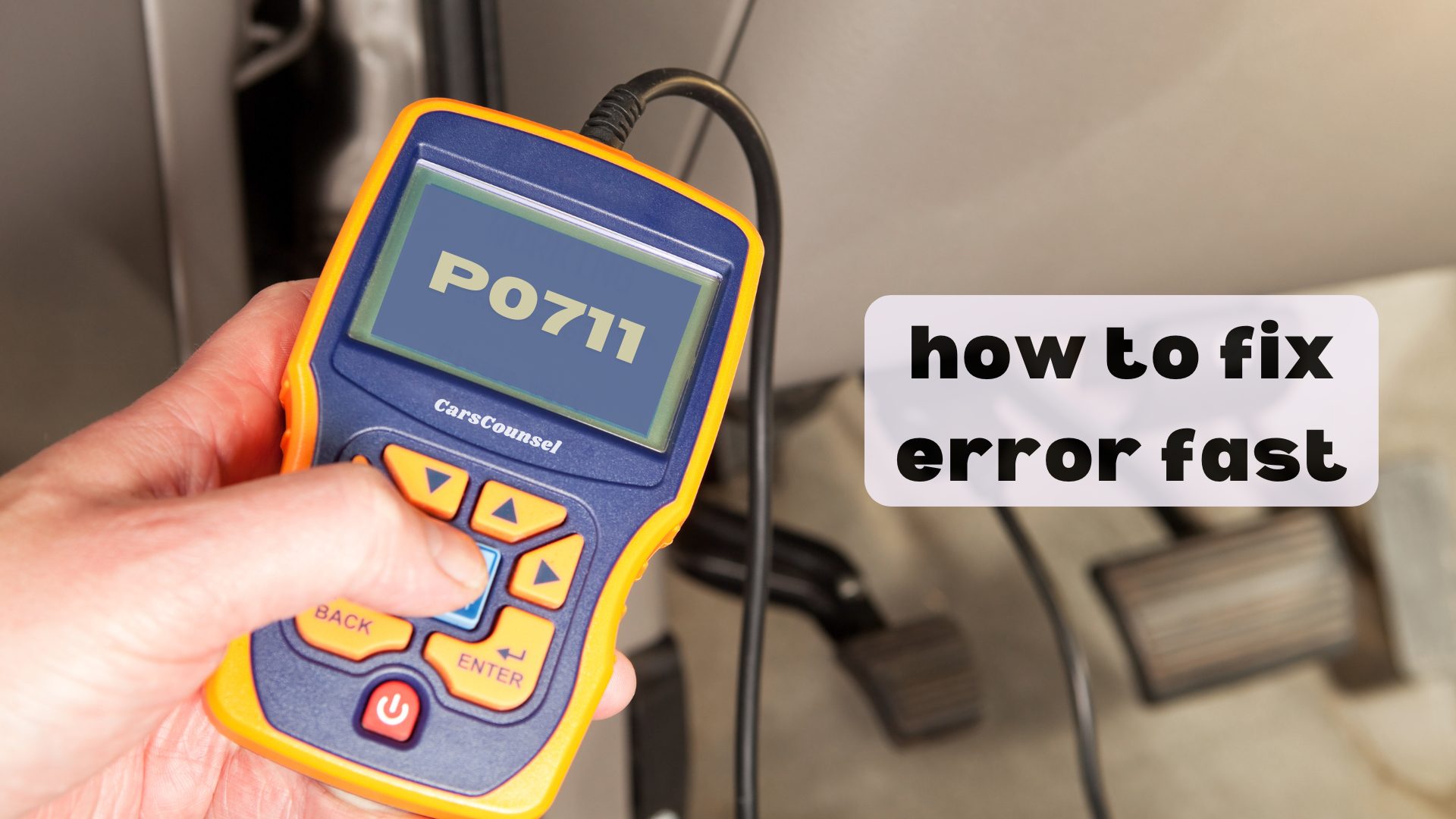
P0711 is a generic OBD-II diagnostic trouble code indicating the Powertrain Control Module detected a range or performance issue with the Transmission Fluid Temperature Sensor “A” circuit. This means the sensor signal is irrational or does not change as expected during vehicle operation.
This code identifies a monitored circuit condition rather than confirming a single failed component. The underlying cause could involve the sensor itself, wiring harness damage, or fluid condition issues, requiring targeted electrical and live-data diagnosis before any parts are replaced.
Quick Navigation
Key Takeaways
- P0711 indicates the control module detected an irrational or out-of-range signal from the Transmission Fluid Temperature Sensor “A” circuit.
- Possible causes include a faulty temperature sensor, damaged wiring, corroded connectors, or degraded transmission fluid.
- Diagnosis requires comparing live sensor data against engine coolant temperatures and testing the sensor circuit with a multimeter.
- Repairs depend on the confirmed root cause and may involve sensor replacement, wiring repair, or a fluid service.
P0711 Code Description and Implications
The P0711 code indicates that the Powertrain Control Module (PCM) or Transmission Control Module (TCM) has detected an irrational signal from the Transmission Fluid Temperature (TFT) Sensor “A” circuit.
The control module monitors the TFT sensor to adjust shift scheduling, line pressure, and torque converter clutch operation based on fluid viscosity and temperature.
A range or performance fault means the sensor’s reported temperature does not align with expected physical parameters. For example, the fluid temperature might not increase after extended driving.
Alternatively, the TFT reading might not correlate with the Engine Coolant Temperature (ECT) or Intake Air Temperature (IAT) sensors when the vehicle is first started cold.
Because P0711 is a generic code, this fundamental rationality logic applies across most automatic transmissions from various manufacturers.
However, the exact monitoring criteria, threshold values, and diagnostic troubleshooting steps vary significantly depending on the specific vehicle application and transmission model.
Common Causes of the P0711 Code
The underlying causes for a transmission fluid temperature range or performance code generally involve the sensor circuit, the sensor itself, or the transmission fluid condition.
Sensor and Circuit Faults: A failing TFT sensor may provide a static or erratic resistance reading. Damaged wiring, chafed insulation, or corroded connectors in the sensor circuit can also disrupt the signal.
Transmission Fluid Issues: Low fluid levels or severely degraded, contaminated fluid can affect heat transfer and sensor readings, potentially triggering a rationality fault.
Control Module Issues: In rare cases, a software glitch or internal fault within the PCM or TCM may cause it to misinterpret a valid sensor signal.
Symptoms Associated With P0711
The most immediate symptom is the illumination of the Check Engine Light or a specific transmission warning indicator on the instrument cluster.
Depending on the manufacturer’s fail-safe strategies, the vehicle may also enter a limp mode to protect the transmission from potential damage due to unknown fluid temperatures.
Drivers might notice harsh, delayed, or erratic shifting because the control module cannot accurately adjust line pressure without a reliable temperature reading.
The torque converter clutch may also fail to lock up, which can lead to increased engine RPMs at highway speeds and reduced fuel efficiency.
Some applications may store the code without illuminating the warning light immediately, requiring multiple failed monitor cycles before the indicator is commanded on.
Diagnosing the P0711 Trouble Code
Diagnosis must begin by confirming the exact factory service information for the vehicle’s make, model, and transmission.
When diagnosing OBD2 codes related to transmission temperatures, generic diagnostic paths cannot account for manufacturer-specific monitor logic or proprietary sensor scaling.
Start by checking the transmission fluid level and condition according to the manufacturer’s procedure. Verify that the fluid is not burnt or heavily contaminated with debris.
Next, use a scan tool capable of displaying live data to monitor the TFT sensor reading. Compare the cold-soak TFT reading to the ECT and IAT sensors before starting the engine.
All three temperature sensors should read within a few degrees of each other and the ambient air temperature. If the TFT reading is significantly different, the sensor or circuit is likely faulty.
If the cold-soak readings correlate, monitor the TFT data while driving. The transmission fluid temperature should steadily rise as the vehicle operates.
If the live data is erratic or static, inspect the wiring harness and connectors between the transmission and the control module for damage or corrosion.
Repairing the P0711 Issue
Repairs must follow confirmed diagnosis. Never replace the TFT sensor solely based on the presence of the code without verifying live data and circuit integrity.
If the transmission fluid is low, burnt, or contaminated, perform a fluid and filter service according to the manufacturer’s specifications, then clear the codes and retest.
If wiring damage or connector corrosion is found, repair the harness and secure the connections before re-evaluating the sensor signal.
If live data testing and electrical measurements confirm the TFT sensor is providing an irrational or out-of-specification resistance, replace the sensor.
On some transmissions, the TFT sensor is integrated into the internal wiring harness or the valve body assembly, requiring partial disassembly for replacement.
Cost Considerations for P0711 Repairs
Repair costs vary widely depending on the confirmed root cause and the specific vehicle application.
Addressing a low fluid level or repairing a minor wiring harness issue is relatively inexpensive and primarily involves standard labor and basic materials.
If the diagnosis confirms the TFT sensor requires replacement, the parts cost is generally moderate, but labor can increase if the sensor is located deep inside the transmission pan.
A full transmission fluid and filter service carries a standard maintenance cost, which varies based on fluid capacity and filter accessibility.
Cost depends on diagnostic time, component accessibility, required parts, programming requirements, and labor.
Prevention Strategies for Future Occurrences
Preventing transmission temperature sensor codes requires attention to routine maintenance and careful inspection of exposed undercarriage components.
Following the manufacturer’s severe or normal service schedule for transmission fluid and filter changes helps prevent fluid degradation that can affect sensor operation.
Inspecting exposed transmission wiring harnesses and connectors during routine under-vehicle maintenance can help identify developing chafing or moisture intrusion before it causes a circuit fault.
Ensuring that the engine cooling system and transmission cooler are functioning properly prevents extreme heat buildup that can accelerate fluid breakdown and stress electronic components.
Troubleshooting Tips and Best Practices
Always check for Technical Service Bulletins (TSBs) related to P0711 for your specific vehicle application.
Manufacturers frequently release software updates or revised diagnostic routines to address false rationality faults caused by overly sensitive monitor thresholds.
When testing the TFT sensor, do not rely solely on generic scan tool data. Use a digital multimeter to measure the sensor’s resistance and compare it against the manufacturer’s temperature-resistance chart.
Do not clear the code and immediately attempt an inspection. The TFT monitor requires specific driving conditions to run, and resetting the PCM erases valuable freeze frame data.
If the vehicle recently underwent transmission or engine work, verify that all sensor connectors were fully seated and that no pins were pushed out during reassembly.
More OBD-II Codes
| P0650 | P0651 | P0705 | P0706 |
| P0707 | P0708 | P0713 | P0714 |
| P0715 | P0716 | P0717 | P0720 |
| P0721 | P0722 | P0730 | P0740 |
| P0500 | P0501 | P0502 | P0504 |
| P0420 | P0430 | P0440 | P0441 |
Frequently Asked Questions
Is the P0711 code generic or manufacturer-specific?
P0711 is a generic SAE-defined OBD-II code. Its fundamental definition regarding transmission fluid temperature sensor rationality applies across various manufacturers, though exact diagnostic steps vary by vehicle application.
Can low transmission fluid cause a P0711 code?
Yes. Low or severely degraded transmission fluid can affect heat transfer and sensor readings. If the fluid level is inadequate, the control module may detect an irrational temperature change and set the code.
Will disconnecting the battery clear the P0711 code?
Disconnecting the battery may temporarily clear the code, but it does not repair the underlying fault. It also erases valuable freeze frame data and may reset readiness monitors, complicating professional diagnosis.
Can I drive my vehicle with a P0711 code?
Driving with this code is not recommended. The control module may default to harsh shift pressures or disable the torque converter clutch to protect the transmission, leading to poor drivability and potential heat damage.
Is the transmission fluid temperature sensor easy to replace?
Accessibility varies by application. On some vehicles, the sensor is easily reachable externally or inside the transmission pan. On others, it is integrated into the internal wiring harness or valve body, requiring significant disassembly.
What Should You Do About the P0711 Code?
Confirm the exact factory definition and diagnostic procedure for your specific vehicle application before attempting repairs.
Do not assume the transmission fluid temperature sensor has failed based solely on the presence of the diagnostic trouble code.
Inspect the transmission fluid level and condition, verify the wiring harness integrity, and review live data to rule out circuit faults.
Follow the applicable manufacturer diagnostic workflow to isolate the relevant system and components before replacing any transmission hardware.

