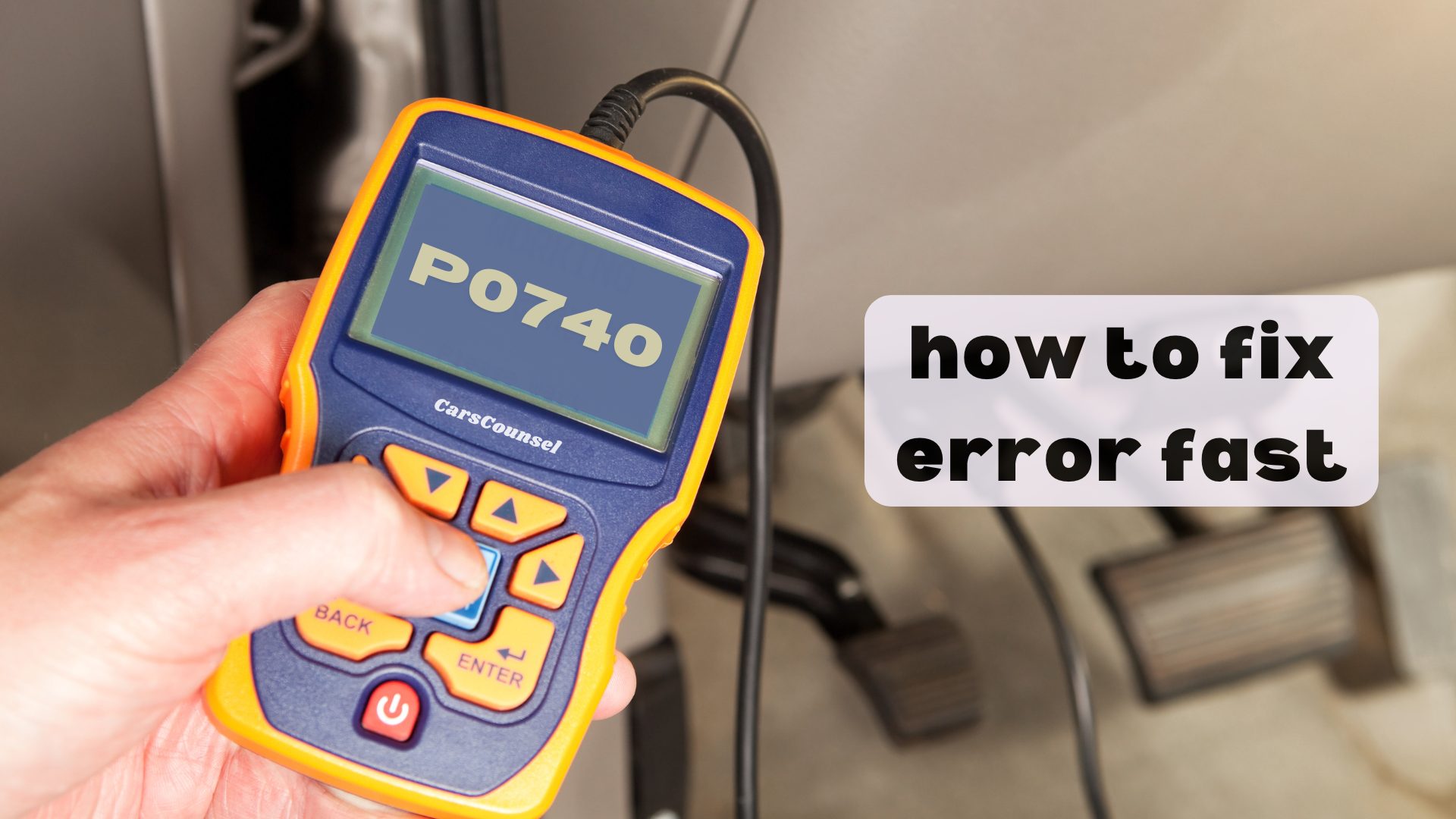
The P0740 code is a generic powertrain code indicating a torque converter clutch circuit malfunction. It is one of many standardized OBD2 Codes used to identify transmission issues.
This code does not automatically mean the torque converter has failed. Possible causes range from low transmission fluid to a faulty solenoid or wiring issue. Exact diagnosis requires verifying your specific vehicle’s application.
Quick Navigation
Key Takeaways
- The P0740 code indicates a malfunction in the torque converter clutch circuit.
- Low, dirty, or contaminated transmission fluid is a frequent underlying cause.
- A faulty TCC solenoid or damaged wiring can disrupt the lock-up signal.
- Diagnosis requires checking fluid condition before replacing internal transmission components.
P0740 Code Description and Implications
The P0740 code stands for “Torque Converter Clutch Circuit Malfunction.” The torque converter multiplies engine torque and transfers it to the transmission.
At cruising speeds, the torque converter clutch locks the engine and transmission together to eliminate slippage and improve fuel economy.
When the powertrain control module detects an electrical fault in the TCC solenoid circuit, or if the clutch fails to operate as commanded, it stores the P0740 code.
Because this is a generic code, the exact diagnostic procedure and component location vary by manufacturer, model, and transmission type.
Common Causes of the P0740 Code
Several conditions can trigger a torque converter clutch circuit malfunction. The underlying cause must be confirmed through testing rather than assuming a single component has failed.
- Low or degraded transmission fluid: Insufficient fluid level or fluid that is burnt and contaminated can prevent the hydraulic pressure needed to apply the torque converter clutch.
- Faulty TCC solenoid: The solenoid controls fluid flow to the clutch. Internal electrical failures or mechanical sticking can prevent proper operation.
- Damaged wiring or connectors: Chafed wires, corrosion, or loose connections in the TCC solenoid circuit can interrupt the control signal from the module.
- Internal transmission issues: Blocked fluid passages, worn clutch seals, or a failing torque converter can cause mechanical lock-up failures.
- Control module faults: In rare cases, a software glitch or internal failure in the PCM or TCM may cause incorrect circuit monitoring.
Symptoms Associated With P0740
When the torque converter clutch circuit malfunctions, the vehicle may exhibit several drivability issues. Symptoms depend on whether the clutch is stuck engaged, stuck disengaged, or slipping.
- Illuminated Check Engine Light: The MIL will typically turn on once the fault is detected and confirmed over consecutive drive cycles.
- Decreased fuel economy: If the clutch fails to lock up at highway speeds, the engine runs at higher RPMs, consuming more fuel.
- Erratic shifting or shuddering: A slipping or sticking clutch can cause noticeable vibrations, shuddering, or harsh gear changes.
- Engine stalling: If the torque converter clutch remains locked when coming to a stop, it can stall the engine, similar to stopping a manual car without pressing the clutch pedal.
Diagnosing the P0740 Trouble Code
Proper diagnosis begins by verifying the exact vehicle application and checking the most accessible components first.
Avoid replacing the torque converter or transmission without confirming the root cause.
- Verify the code and check for TSBs: Use a scan tool to confirm P0740 and check for related codes. Look for manufacturer technical service bulletins regarding known TCC solenoid or software issues for your specific vehicle.
- Inspect transmission fluid: Check the fluid level and condition. Fluid that is low, dark, or smells burnt indicates internal wear or hydraulic problems that must be addressed.
- Test the TCC solenoid circuit: Inspect the wiring harness and connectors leading to the transmission for damage or corrosion. Measure the solenoid’s resistance and compare it to the manufacturer’s exact specifications.
- Monitor live data: Use an advanced scan tool to observe the TCC solenoid duty cycle and slip speed RPM while driving. This helps determine if the issue is electrical or mechanical.
Repairing the P0740 Issue
Repairs must follow confirmed diagnostic testing. The exact repair path depends on whether the fault is electrical, hydraulic, or mechanical.
- Fluid service: If the fluid is low or degraded, a transmission fluid and filter service may resolve hydraulic pressure issues.
- Wiring repair: Repair or replace any damaged wiring, corroded pins, or loose connectors in the TCC control circuit.
- Solenoid replacement: If electrical testing confirms the TCC solenoid is out of specification, replace the solenoid or the applicable solenoid pack.
- Mechanical repair: If the circuit tests perfectly but the clutch still fails to lock, internal transmission repairs or torque converter replacement may be required.
Cost Considerations for P0740 Repairs
Repair costs vary significantly based on the root cause, vehicle make, and labor accessibility. Exact pricing depends on your local shop rates and parts availability.
- Transmission fluid service: Routine fluid changes are generally the least expensive option.
- Wiring repair: Costs depend on the time required to trace and repair the damaged circuit.
- TCC solenoid replacement: External solenoids are relatively accessible, while internal solenoids require dropping the transmission pan or removing the valve body, increasing labor time.
- Transmission or torque converter replacement: Major mechanical repairs involve substantial labor and parts costs, often requiring transmission removal.
Prevention Strategies for Future Occurrences
While electrical faults cannot always be prevented, maintaining the transmission’s hydraulic health can reduce the risk of mechanical TCC failures.
- Follow fluid service intervals: Replace the transmission fluid and filter according to the manufacturer’s severe or normal driving schedule to prevent varnish buildup in the solenoid.
- Address leaks promptly: Repair external transmission fluid leaks to prevent low fluid levels that starve the torque converter clutch of hydraulic pressure.
- Avoid excessive heat: Heavy towing or aggressive driving without an auxiliary transmission cooler can degrade fluid and accelerate internal clutch wear.
Troubleshooting Tips and Best Practices
- Do not ignore stalling: If the vehicle stalls when stopping, the TCC may be stuck engaged. This is a safety hazard and requires immediate diagnosis.
- Check for software updates: On some modern applications, false TCC circuit codes can be resolved by reprogramming the PCM or TCM with updated calibration files.
- Verify related codes: Codes like P0741 or P0742 provide more specific mechanical clues than the general P0740 circuit code.
- Use exact specifications: Always refer to the factory service manual for the correct solenoid resistance values and pinout diagrams for your specific transmission model.
More OBD-II Codes
| P0735 | P0734 | P0733 | P0732 |
| P0731 | P0730 | P0741 | P0742 |
| P0743 | P0744 | P0745 | P0746 |
| P0747 | P0748 | P0715 | P0725 |
| P0700 | P0714 | P0736 | P0776 |
| P0750 | P0755 | P0760 | P0765 |
Frequently Asked Questions
Is it safe to drive with a P0740 code?
Driving with a P0740 code is not recommended. If the torque converter clutch stays engaged, the engine may stall when stopping, creating a safety hazard. A slipping clutch can also cause transmission overheating and internal damage.
Can low transmission fluid cause a P0740 code?
Yes. Low or degraded transmission fluid can prevent the hydraulic pressure needed to apply the torque converter clutch. Checking the fluid level and condition is a mandatory first step before replacing electrical or mechanical components.
Will disconnecting the battery clear the P0740 code?
Disconnecting the battery may temporarily reset the check engine light, but it does not repair the underlying electrical or mechanical fault. The code will return once the monitor runs again, and you may lose important freeze-frame data.
How much does it cost to fix a torque converter clutch circuit malfunction?
Costs vary widely based on the root cause. A fluid service or wiring repair is relatively inexpensive, while replacing an internal TCC solenoid or the torque converter itself requires significant labor and increases the total repair cost.
Can a bad PCM cause a P0740 code?
A faulty powertrain control module can theoretically cause a P0740 code if it fails to send the correct signal to the solenoid. However, PCM failure is rare. The wiring, solenoid, and fluid condition must be thoroughly tested first.
What Should You Do About the P0740 Code?
Confirm the exact factory definition and diagnostic procedure for your specific vehicle application. Begin by inspecting the transmission fluid level and condition, then test the TCC solenoid circuit for electrical faults.
Do not replace the torque converter or transmission without verified diagnostic evidence. Follow the manufacturer’s pinpoint tests to isolate the fault to the wiring, solenoid, or internal hydraulic components before authorizing major repairs.

