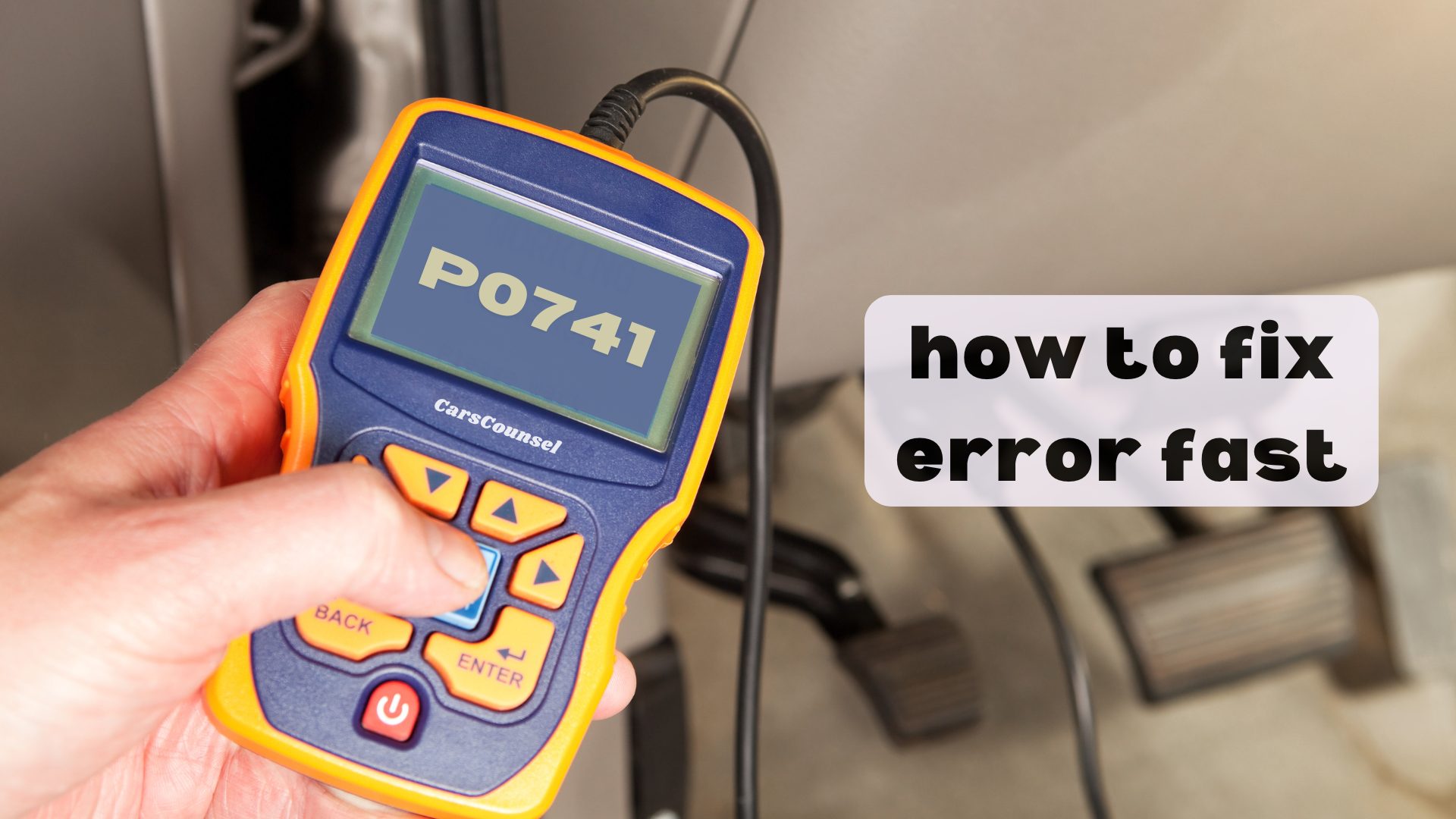
P0741 is a generic OBD-II diagnostic trouble code indicating a performance issue with the torque converter clutch system or that it is stuck off. Because it is a generic code, the exact diagnostic procedure and component layout depend on the specific vehicle manufacturer and transmission design.
The code itself does not prove that the torque converter or its solenoid has failed. It indicates that the control module detected an unexpected difference between engine speed and transmission input speed when the clutch was commanded to engage, requiring targeted diagnosis to identify the root cause.
Quick Navigation
Key Takeaways
- P0741 indicates the torque converter clutch is not engaging properly or is stuck off, but it does not confirm a specific failed part.
- Low, dirty, or incorrect transmission fluid is a frequent underlying cause that should be verified first.
- Wiring issues, a faulty torque converter clutch solenoid, or internal hydraulic problems may also trigger the code.
- Proper diagnosis requires a scan tool to monitor clutch slip speed and follow the manufacturer-specific service information.
P0741 Code Description and Implications
P0741 is a generic powertrain code defined as “Torque Converter Clutch System Performance or Stuck Off.” The powertrain control module (PCM) or transmission control module (TCM) monitors the rotational speed difference, or slip, between the engine and the transmission input shaft.
When the control module commands the torque converter clutch to lock, it expects the slip speed to drop to near zero. If the slip speed remains higher than the calibrated threshold, or if the clutch fails to engage entirely, the module stores P0741.
Because this is a generic code, the exact diagnostic steps, solenoid location, and hydraulic circuit design vary significantly between manufacturers. As with all OBD2 Codes, P0741 identifies a detected condition rather than a confirmed failed part.
Common Causes of the P0741 Code
The underlying cause of a P0741 code depends on the specific transmission design and the condition of the hydraulic system.
Transmission Fluid Issues: Low fluid level, degraded fluid, or the incorrect fluid type can prevent the hydraulic pressure required to apply the torque converter clutch.
Solenoid or Circuit Faults: A failed torque converter clutch (TCC) solenoid, or damaged wiring and connectors supplying the solenoid, can prevent the clutch from receiving the command to engage.
Internal Hydraulic Restrictions: Debris in the valve body, worn hydraulic passages, or a stuck valve can block the fluid flow necessary to apply the clutch.
Mechanical Torque Converter Failure: Internal wear or failure of the clutch friction material inside the torque converter can prevent lockup even if hydraulic pressure is present.
Symptoms Associated With P0741
When P0741 is present, the vehicle may exhibit one or more of the following symptoms, depending on the exact failure mechanism.
Illuminated Malfunction Indicator Lamp: The Check Engine Light will typically illuminate once the monitor detects the slip condition over the required drive cycles.
Reduced Fuel Economy: If the torque converter clutch cannot lock, the engine and transmission will continue to slip against each other at cruising speeds, increasing fuel consumption.
Transmission Shudder or Slipping: You may feel a vibration, shudder, or slipping sensation during acceleration or when the vehicle attempts to engage the lockup clutch.
Stalling at Idle: In some applications, if the torque converter clutch mechanism is physically stuck in the applied position, the engine may stall when the vehicle comes to a stop.
Diagnosing the P0741 Trouble Code
Proper diagnosis requires verifying the exact vehicle application and following the manufacturer-specific service information.
Verify Fluid Condition: Check the transmission fluid level and inspect its condition. Burnt, dark, or debris-filled fluid indicates internal wear or hydraulic issues that must be addressed before further electrical testing.
Inspect Wiring and Connectors: Visually inspect the wiring harness and connectors leading to the transmission and the TCC solenoid for damage, corrosion, or loose pins.
Monitor Live Data: Use a capable scan tool to monitor the TCC slip speed and commanded solenoid state while driving. If the module commands the solenoid ON but the slip speed remains high, the issue is likely hydraulic or mechanical.
Test the Solenoid: If the wiring is intact and fluid is correct, measure the electrical resistance of the TCC solenoid according to the manufacturer’s specifications to verify its internal electrical condition.
Repairing the P0741 Issue
Repairs must follow the results of the diagnostic testing. Do not replace components without confirming the root cause.
Fluid Service: If the fluid is low or degraded, performing a transmission fluid and filter service may resolve hydraulic pressure issues if no internal damage has occurred.
Electrical Repairs: If testing confirms an open or short in the wiring harness, repair or replace the affected circuit and clear the codes to verify the repair.
Solenoid Replacement: If the TCC solenoid fails electrical testing or is confirmed to be mechanically stuck, replace the solenoid according to the OEM procedure.
Internal Transmission Repair: If the solenoid and circuits test correctly but the clutch still fails to apply, the valve body or the torque converter itself may require removal, inspection, and replacement.
Cost Considerations for P0741 Repairs
The cost to resolve a P0741 code varies widely based on the confirmed root cause and the vehicle’s transmission design.
A simple transmission fluid and filter service is generally the least expensive repair path. Replacing an externally mounted or easily accessible TCC solenoid involves moderate parts and labor costs.
However, if the diagnosis points to internal hydraulic blockages, a failing valve body, or a mechanical failure inside the torque converter, the transmission may need to be removed or disassembled. These procedures require significant labor time and increase the overall repair expense.
Prevention Strategies for Future Occurrences
Maintaining the correct transmission fluid level and condition is the most effective way to prevent torque converter clutch performance codes.
Follow the manufacturer’s recommended service intervals for transmission fluid and filter changes. Using the exact fluid specification required for your vehicle ensures proper hydraulic pressure and friction characteristics.
Addressing minor transmission leaks promptly prevents the fluid level from dropping low enough to affect clutch apply pressure.
Troubleshooting Tips and Best Practices
Always check for related transmission codes before beginning diagnosis. Codes related to input or output speed sensors can affect the module’s ability to calculate TCC slip speed accurately.
Do not assume the torque converter is faulty simply because P0741 is stored. Electrical faults in the solenoid circuit or low fluid levels are frequent underlying causes that must be ruled out first.
Consult the specific Technical Service Bulletins (TSBs) for your vehicle’s make, model, and year. Some manufacturers issue software updates or revised valve body components to address known lockup shudder or performance issues.
More OBD-II Codes
| P0740 | P0742 | P0700 | P0705 |
| P0736 | P0743 | P0715 | P0706 |
| P0735 | P0744 | P0720 | P0707 |
| P0734 | P0745 | P0751 | P0708 |
| P0733 | P0746 | P0750 | P0752 |
| P0732 | P0747 | P0753 | P0755 |
Frequently Asked Questions
Is it safe to drive with a P0741 code?
Driving with a P0741 code is not recommended. A torque converter clutch that fails to lock increases transmission heat and reduces fuel economy. If the clutch is mechanically stuck on, the vehicle may stall when stopping, creating a safety hazard.
Can low transmission fluid cause a P0741 code?
Yes. The torque converter clutch requires adequate hydraulic pressure to engage. If the transmission fluid is low, degraded, or restricted by a clogged filter, the clutch may slip or fail to apply, triggering the P0741 code.
Will disconnecting the battery clear the P0741 code?
Disconnecting the battery may temporarily clear the code and turn off the Check Engine Light, but it does not repair the underlying mechanical or electrical fault. The code will return once the monitor runs again and detects the same slip condition.
Does P0741 always mean the torque converter must be replaced?
No. P0741 indicates a performance issue in the lockup system, not a confirmed mechanical failure of the torque converter. Wiring faults, a bad solenoid, or valve body issues must be diagnosed and ruled out before replacing the torque converter.
How does the computer detect a P0741 fault?
The control module compares the engine RPM to the transmission input shaft speed. When it commands the torque converter clutch to lock, it expects the RPM difference to drop near zero. If the slip remains above the calibrated threshold, it sets P0741.
What Should You Do About the P0741 Code?
Confirm the exact factory definition and diagnostic procedure for your specific vehicle application. Because P0741 is a generic code, the location of the solenoid and the hydraulic circuit design vary by manufacturer.
Begin by verifying the transmission fluid level and condition, then inspect the relevant electrical circuits. Follow the manufacturer-specific diagnostic steps to test the solenoid and monitor live data before authorizing any internal transmission repairs.

