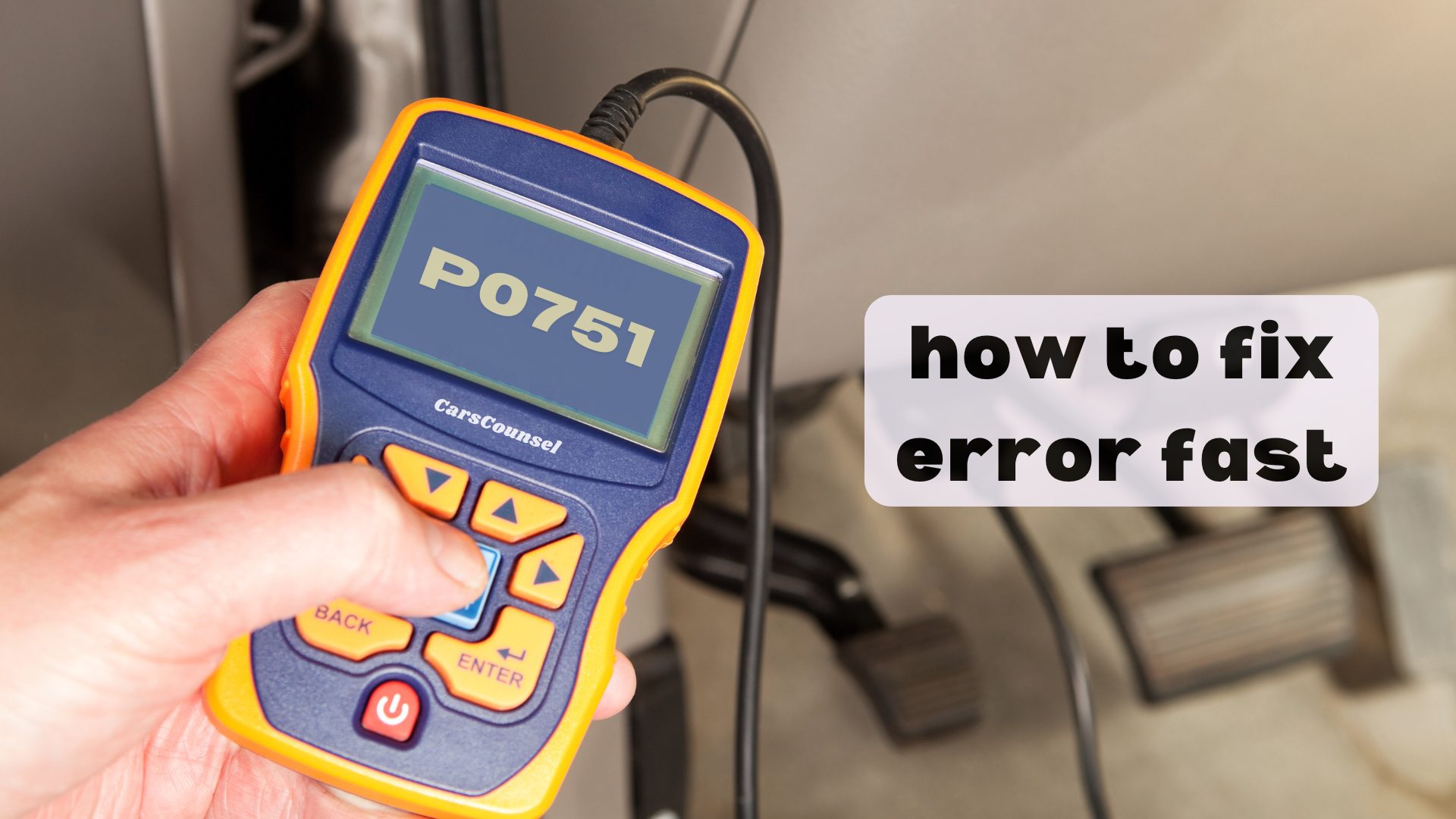
The P0751 code is a generic OBD-II diagnostic trouble code indicating “Shift Solenoid ‘A’ Performance or Stuck Off.” It means the powertrain control module detected the solenoid is not mechanically operating as commanded.
This code does not automatically prove the solenoid has failed. Diagnosis requires checking transmission fluid, inspecting the valve body, and testing hydraulic pressure before replacing components.
Quick Navigation
Key Takeaways
- The P0751 code indicates the control module detected that shift solenoid A is not performing mechanically as commanded.
- Possible causes include clogged solenoid screens, degraded transmission fluid, a mechanically stuck solenoid, or internal valve body wear.
- Diagnosis involves inspecting the fluid for debris, dropping the transmission pan, and monitoring live data for gear ratio errors.
- Repairs may involve a fluid service, replacing the solenoid, or addressing internal mechanical transmission damage.
P0751 Code Description and Implications
The P0751 code indicates that the powertrain control module detected a performance issue with shift solenoid A. This generic OBD2 code applies to many vehicles equipped with electronic automatic transmissions.
The module uses shift solenoids to direct hydraulic fluid to the appropriate clutch packs to command gear changes. Solenoid A typically controls a specific shift event, depending on the transmission design.
When the module commands the solenoid but detects that the expected gear change or hydraulic pressure change did not occur, it stores this code. This indicates a mechanical or hydraulic fault, not necessarily an electrical one.
Common Causes of the P0751 Code
Dirty or degraded transmission fluid is a primary cause. Sludge, clutch material, or metal debris can clog the solenoid filter screen or block internal hydraulic passages, preventing the valve from moving.
A mechanically binding or stuck shift solenoid A will fail to open or close properly. Internal wear or contamination inside the solenoid body can prevent the plunger from moving despite a good electrical signal.
Internal transmission hydraulic leaks or a worn valve body can prevent adequate fluid pressure from reaching the clutches, mimicking a stuck solenoid condition even if the solenoid itself is functioning correctly.
Symptoms Associated With P0751
An illuminated Check Engine Light is expected once the monitor detects the performance fault. MIL behavior varies by application, but the light commands when the mechanical or hydraulic fault is verified.
You may experience harsh, delayed, or missing gear shifts, particularly the specific shift event controlled by solenoid A. The transmission may struggle to transition between certain gears or slip unexpectedly.
The transmission may enter a fail-safe or limp mode, locking the vehicle in a single gear to prevent internal damage. Fuel economy may also decrease due to improper gear selection.
Diagnosing the P0751 Trouble Code
Diagnosis must begin by confirming the exact factory definition and checking for related transmission codes. Record freeze-frame data to see the conditions and gear commanded when the code set.
Check the transmission fluid level and condition. Dark, burnt-smelling fluid or visible metallic debris on the dipstick indicates severe internal mechanical wear that a simple solenoid replacement will not fix.
Drop the transmission pan and inspect the fluid and filter for excessive clutch material or metal shavings. This helps determine if the issue is isolated to the solenoid or involves internal damage.
Use a bidirectional scan tool to command shift solenoid A while monitoring engine RPM and vehicle speed. If the solenoid clicks but the gear ratio does not change, the fault is hydraulic or mechanical.
Repairing the P0751 Issue
Repairs must follow confirmed diagnosis. If the fluid is relatively clean but the solenoid is mechanically stuck, replace shift solenoid A using a component meeting the exact vehicle specification.
If the transmission fluid is burnt and contains excessive clutch material, internal transmission repair or replacement may be necessary to address the underlying mechanical failure causing the debris.
If the valve body passages are severely worn or scored, the valve body assembly may require replacement or specialized machining to restore proper hydraulic pressure to the solenoids.
Cost Considerations for P0751 Repairs
Cost depends on diagnostic time, component accessibility, required parts, programming requirements, and labor.
Replacing an externally mounted solenoid or performing a fluid and filter service involves moderate parts and labor expenses.
If the solenoid is integrated into the valve body or requires complete transmission removal due to internal clutch damage, labor hours and overall repair costs increase significantly.
Prevention Strategies for Future Occurrences
Maintaining the correct transmission fluid level and changing the fluid and filter at manufacturer-recommended intervals helps prevent sludge and debris buildup that can clog solenoid screens.
Avoiding severe overheating and heavy towing beyond the vehicle’s rated capacity helps preserve the integrity of the internal clutches and hydraulic seals.
Some mechanical solenoid failures occur due to normal internal component aging and cannot be reliably prevented through standard maintenance.
Troubleshooting Tips and Best Practices
Do not replace the transmission or solenoid without inspecting the fluid first. Burnt fluid containing heavy debris indicates internal clutch failure, meaning a new solenoid will quickly fail or not fix the issue.
Always verify the exact gear ratio commanded versus actual using live data. This confirms whether the solenoid is failing to shift the transmission or if the clutches are slipping.
Check for technical service bulletins for your exact vehicle application. Some manufacturers release updated valve body designs or revised solenoid screens to address chronic clogging and debris issues.
More OBD-II Codes
| P0744 | P0745 | P0746 | P0747 |
| P0748 | P0750 | P0752 | P0753 |
| P0755 | P0756 | P0757 | P0758 |
| P0760 | P0761 | P0765 | P0766 |
| P0770 | P0771 | P0773 | P0775 |
| P0700 | P0715 | P0720 | P0731 |
Frequently Asked Questions
Is P0751 a generic or manufacturer-specific code?
P0751 is a generic SAE OBD-II code. However, the specific gear controlled by Solenoid A and the exact diagnostic steps vary by manufacturer and transmission model.
Can dirty transmission fluid cause a P0751 code?
Yes. Debris or sludge in degraded fluid can clog the solenoid screen or block internal hydraulic passages, preventing the solenoid from mechanically moving even if the electrical circuit is fine.
Will a P0751 code put my car in limp mode?
It can. If the control module detects that a critical shift solenoid is stuck and cannot command proper gear changes, it may trigger a fail-safe limp mode to protect the transmission.
Does a P0751 code mean I need a new transmission?
Not necessarily. While internal mechanical damage is possible, the code is frequently caused by a clogged solenoid, dirty fluid, or a failed valve body. Proper hydraulic and mechanical testing is required first.
Can I clear the P0751 code without fixing the problem?
Clearing the code only resets the warning light. If the underlying mechanical binding or hydraulic blockage remains, the monitor will detect the performance fault immediately and turn the light back on.
What Should You Do About the P0751 Code?
Confirm the exact factory definition and check for related transmission codes for your specific vehicle application. Follow the applicable manufacturer diagnostic procedure to verify whether the fault lies in the fluid, valve body, or the shift solenoid itself.
Once testing confirms the root cause, repair or replace the confirmed failed component, then retest the transmission operation to ensure proper shift quality across all gears.

