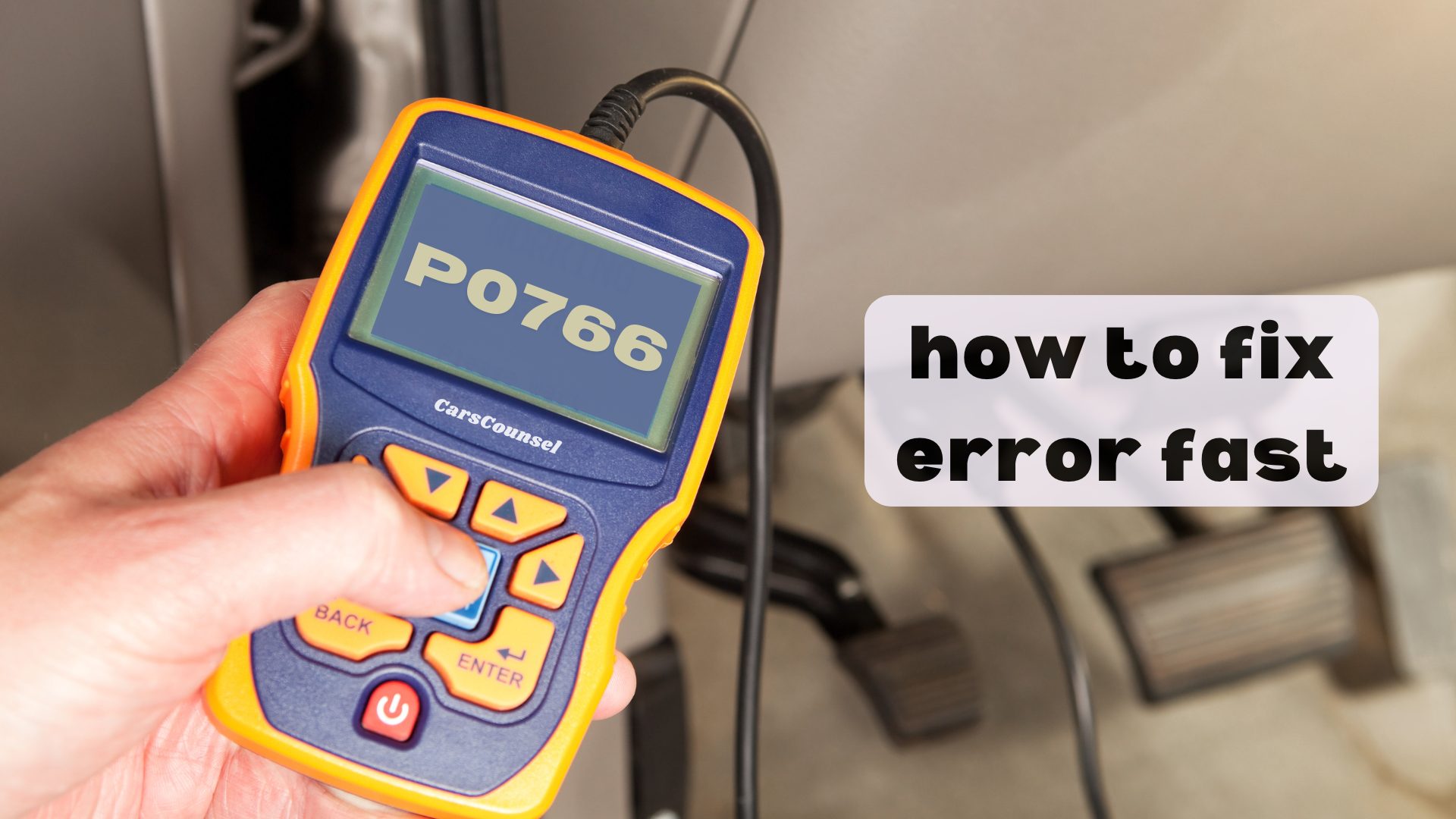
P0766 is a generic OBD-II powertrain code indicating a performance issue or “stuck off” condition with Shift Solenoid D in an automatic transmission. It means the control module detected an incorrect gear ratio or hydraulic response when this specific solenoid was commanded.
Because this error code points to a mechanical or hydraulic performance fault rather than just an electrical circuit issue, exact application verification is required. The code indicates a detected condition, and testing is necessary to isolate the fault.
Quick Navigation
Key Takeaways
- Condition detected: The PCM/TCM detected that Shift Solenoid D is mechanically stuck off or failing to change the hydraulic state as commanded.
- System impacts: A stuck solenoid or valve body issue can cause harsh shifts, slipping, or limp mode to protect the transmission.
- Diagnostic checks: Diagnosis involves checking transmission fluid condition, testing solenoid resistance, and verifying mechanical valve body operation.
- Component testing: The shift solenoid, valve body, and internal transmission clutches must be evaluated to isolate the root cause.
P0766 Code Description and Implications
P0766 is a generic OBD-II code defined as “Shift Solenoid D Performance or Stuck Off.” The powertrain control module (PCM) or transmission control module (TCM) uses shift solenoids to direct hydraulic fluid to specific clutch packs for gear changes.
When the module commands Shift Solenoid D to actuate, it monitors the resulting gear ratio via speed sensors. If the actual ratio does not match the expected ratio, it indicates the solenoid valve is mechanically stuck off or the hydraulic circuit is restricted.
Common Causes of the P0766 Code
- Failed shift solenoid: The internal mechanical valve of Shift Solenoid D may become physically jammed in the closed position due to debris or wear.
- Dirty or degraded transmission fluid: Sludge, metal shavings, or degraded fluid can clog the small fluid passages in the valve body or jam the solenoid plunger.
- Valve body wear or blockage: The specific hydraulic bore in the valve body that Shift Solenoid D controls may be worn or restricted.
- Internal transmission failure: Worn clutch packs, damaged seals, or broken bands can prevent the gear from engaging even if the solenoid operates correctly.
Symptoms Associated With P0766
- Illuminated Check Engine Light or specific transmission warning indicator.
- Harsh, delayed, or slipping gear shifts.
- Transmission entering limp mode (locking in a single gear to prevent damage).
- Inability to shift into specific gears, such as overdrive or reverse, depending on the transmission’s hydraulic design.
Diagnosing the P0766 Trouble Code
- Check transmission fluid: Inspect the fluid level and condition. Dark, burnt-smelling fluid or visible metal particles indicate internal mechanical wear.
- Test solenoid resistance: Use a digital multimeter to measure the electrical resistance of Shift Solenoid D. Compare the reading to manufacturer specifications to rule out an electrical coil failure.
- Monitor live data: Use a scan tool to monitor the commanded gear versus the actual gear ratio calculated from the turbine and output speed sensors while driving.
- Perform hydraulic tests: If the solenoid tests good electrically, a transmission pressure gauge may be needed to verify hydraulic line pressure and valve body operation.
Repairing the P0766 Issue
- Fluid and filter service: If the fluid is dirty but internal damage is not yet severe, a transmission fluid and filter change may free a temporarily jammed solenoid.
- Solenoid replacement: If Shift Solenoid D is confirmed mechanically jammed or electrically failed, replace the solenoid.
- Valve body repair: If the valve body bore is scored or restricted, the valve body may need to be replaced or professionally reconditioned.
- Transmission rebuild: If internal clutches are burnt due to prolonged slipping, a full transmission rebuild or replacement may be necessary.
Cost Considerations for P0766 Repairs
Cost depends on diagnostic time, component accessibility, required parts, programming requirements, and labor.
Replacing an externally accessible shift solenoid is less invasive, while repairing a valve body or internal clutches requires transmission removal and disassembly, significantly increasing labor costs.
Prevention Strategies for Future Occurrences
- Follow fluid service intervals: Replace the transmission fluid and filter at the manufacturer’s recommended intervals to prevent sludge and debris from jamming hydraulic valves.
- Address leaks promptly: Low fluid levels cause poor hydraulic pressure and accelerated clutch wear, which can lead to solenoid and valve body issues.
Troubleshooting Tips and Best Practices
- Do not ignore electrical codes: P0766 is a performance code, but it may be accompanied by electrical circuit codes. Diagnose any electrical circuit faults first, as a lack of power will prevent the solenoid from actuating.
- Check for TSBs: Some manufacturers issue Technical Service Bulletins for updated valve body spacer plates or revised solenoid designs to address chronic sticking issues.
- Avoid flushing machines: On high-mileage transmissions with existing debris, pressurized flushing machines can dislodge large particles that subsequently jam shift solenoids. A standard drain-and-fill is often safer.
More OBD-II Codes
| P0761 | P0760 | P0758 | P0757 |
| P0756 | P0755 | P0771 | P0773 |
| P0775 | P0776 | P0777 | P0778 |
| P0700 | P0715 | P0720 | P0730 |
| P0740 | P0741 | P0743 | P0744 |
| P0745 | P0746 | P0747 | P0748 |
Frequently Asked Questions
Can dirty transmission fluid cause a P0766 code?
Yes. Sludge, metal shavings, or degraded fluid can physically jam the small mechanical plunger inside Shift Solenoid D, preventing it from opening and directing hydraulic fluid to the correct clutch pack.
Is it safe to drive with a P0766 code?
Driving is not recommended. A stuck shift solenoid can cause harsh shifts, slipping, or limp mode. Continued driving with slipping clutches can cause severe internal transmission damage requiring a full rebuild.
Will replacing Shift Solenoid D fix a P0766 code?
It will fix the issue if the solenoid itself is mechanically jammed. However, if the root cause is a restricted valve body passage or worn internal clutches, replacing the solenoid alone will not resolve the fault.
Does P0766 mean my transmission needs to be replaced?
Not necessarily. P0766 indicates a hydraulic performance fault. The root cause may be a simple solenoid replacement or a fluid service. Proper hydraulic and electrical testing is required before condemning the entire transmission.
Can a clogged transmission filter trigger a P0766 code?
Yes. A severely clogged filter restricts overall hydraulic line pressure. This lack of pressure can prevent shift solenoids from actuating properly or cause the clutches to slip, triggering performance codes.
What Should You Do About the P0766 Code?
Because the P0766 code indicates a mechanical or hydraulic performance fault, it requires verifying the transmission fluid condition, solenoid operation, and internal hydraulic pressure before replacing components.
Follow the manufacturer’s diagnostic procedure to isolate the faulty component, repair the confirmed root cause, and verify the repair.

