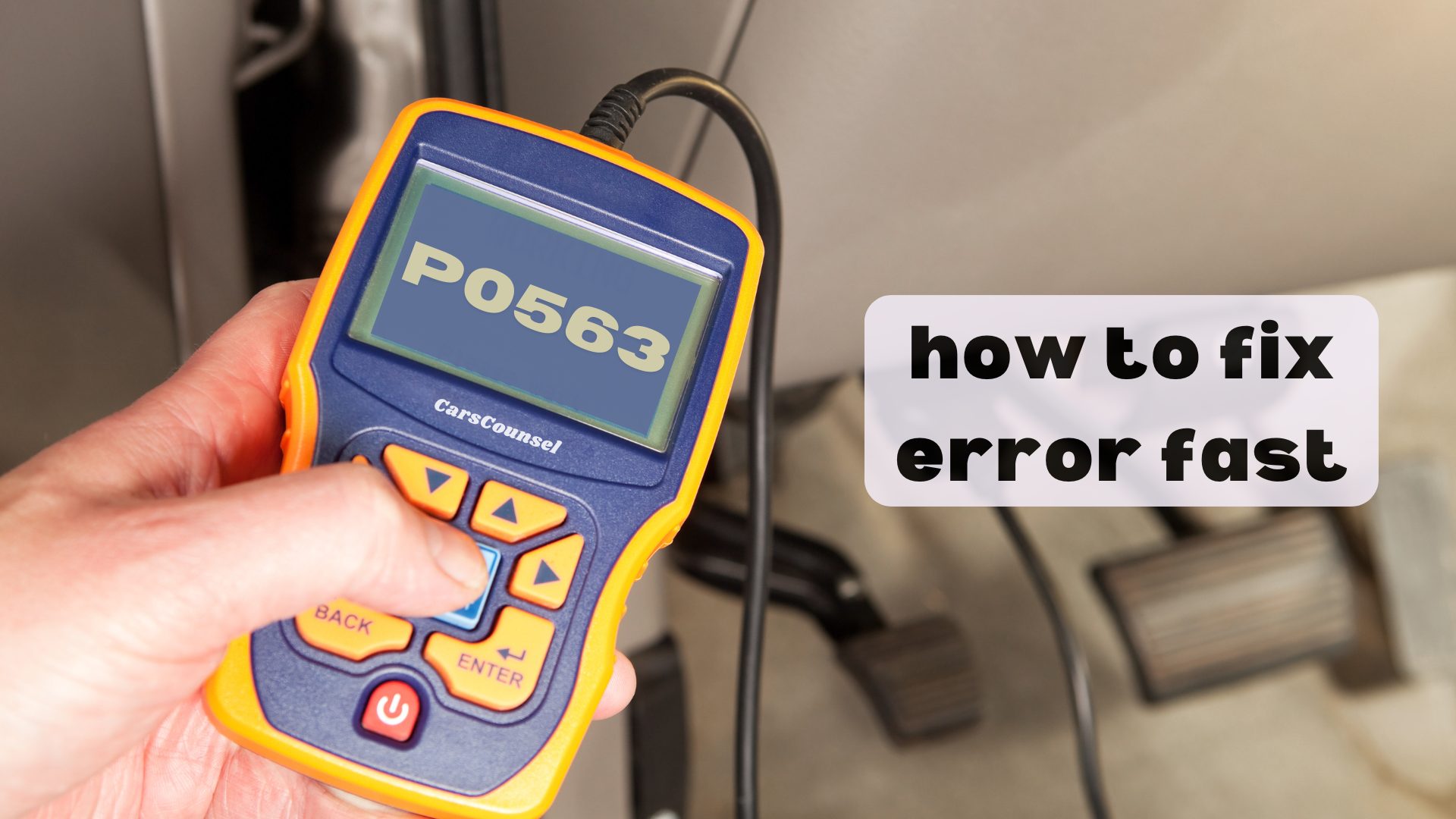
P0563 is a generic OBD-II diagnostic trouble code indicating the powertrain control module detected that the system voltage is higher than the expected threshold.
This code identifies an overcharging condition or a signal circuit fault rather than confirming a single failed component. Targeted diagnosis is required to identify the root cause.
Quick Navigation
Key Takeaways
- P0563 indicates the control module detected system voltage above the normal operating range.
- Possible causes include a failed alternator, a faulty voltage regulator, or wiring issues.
- Diagnosis requires measuring the actual charging system voltage and comparing it to the scan tool data.
- Repairs depend on the confirmed root cause and may involve replacing the alternator or repairing wiring.
P0563 Code Description and Implications
P0563 is a generic OBD-II code indicating the powertrain control module (PCM) detected that the system voltage exceeded the maximum calibrated threshold.
The PCM continuously monitors the voltage supplied to its internal circuits to ensure proper operation of the engine and transmission management systems.
When the actual charging system voltage rises too high, or when the PCM’s internal voltage sensor reads an implausibly high signal, it logs this code.
Because P0563 is a generic code, this fundamental monitoring logic applies across various vehicles from multiple manufacturers.
When diagnosing a trouble code related to the charging system, verifying the actual battery voltage is critical.
Common Causes of the P0563 Code
The underlying causes for a system voltage high condition generally involve the charging system components or the wiring harness.
Failed Alternator or Voltage Regulator: An internal fault in the alternator or its integrated voltage regulator can cause it to overcharge the battery.
Wiring Issues: A short to voltage in the PCM’s voltage sensing circuit, or damaged wiring between the alternator and the battery, can cause false high readings.
Faulty Battery: A battery with a shorted internal cell can cause the voltage regulator to overcompensate, leading to excessive system voltage.
Aftermarket Accessories: Incorrectly installed aftermarket electrical components or incorrect replacement alternators can disrupt the charging system feedback loop.
Symptoms Associated With P0563
The prominent symptom is the illumination of the Check Engine Light and potentially the battery warning indicator.
Headlights and interior lights may appear unusually bright or may blow out prematurely due to the overvoltage condition.
The transmission may experience harsh or erratic shifting, as transmission solenoids are highly sensitive to voltage fluctuations.
In severe cases, prolonged overcharging can damage sensitive electronic control modules or drain the battery.
Diagnosing the P0563 Trouble Code
Diagnosis must begin by measuring the actual voltage at the battery terminals with the engine running.
Compare the multimeter reading to the system voltage data displayed on the scan tool to verify if the PCM is reading the voltage accurately.
If the actual voltage is excessively high, test the alternator output and inspect the voltage regulator control circuit.
If the actual voltage is normal but the scan tool shows high voltage, inspect the wiring harness and connectors between the PCM and the charging system for shorts or corrosion.
Repairing the P0563 Issue
Repairs must follow confirmed diagnosis. Never replace the PCM solely based on the presence of the code.
If the alternator or voltage regulator is confirmed to be overcharging, replace the alternator assembly using a component meeting the correct vehicle specification.
If the battery is found to have an internal shorted cell, replace the battery and retest the charging system.
If wiring damage is found in the sensing circuit, repair the wires and secure the harness away from hot or moving components.
Cost Considerations for P0563 Repairs
Repair costs vary considerably depending on the confirmed root cause and the specific vehicle application.
Replacing an alternator or battery involves standard parts costs and moderate labor.
Repairing damaged wiring involves minimal parts costs but can require significant labor depending on harness accessibility.
Cost depends on diagnostic time, component accessibility, required parts, programming requirements, and labor.
Prevention Strategies for Future Occurrences
Preventing charging system faults requires using the correct replacement components when servicing the vehicle.
Ensure any replacement alternator matches the exact amperage and communication protocol requirements of the original equipment.
Keeping the battery terminals clean and securely fastened helps maintain a stable voltage feedback loop for the regulator.
Troubleshooting Tips and Best Practices
Always check for Technical Service Bulletins related to P0563 for your specific vehicle application.
Manufacturers may release updated alternator part numbers, revised wiring harness pigtails, or software updates for the PCM to address false overvoltage codes.
Do not assume the PCM requires replacement simply because a system voltage code is present.
A failing alternator, a bad battery cell, or a chafed wire can produce the code without the control module itself being defective.
More OBD-II Codes
| P0562 | P0560 | P0556 | P0551 |
| P0546 | P0542 | P0571 | P0573 |
| P0581 | P0597 | P0599 | P0600 |
| P0620 | P0622 | P0625 | P0688 |
| P0300 | P0420 | P0171 | P0174 |
| P0700 | P0430 | P0301 | P0302 |
Frequently Asked Questions
Is the P0563 code generic or manufacturer-specific?
P0563 is a generic SAE-defined OBD-II code. Its fundamental definition regarding system voltage being too high applies across various manufacturers.
Can a bad battery cause a P0563 code?
Yes. A battery with an internal shorted cell can prevent the voltage regulator from sensing the correct state of charge, causing it to overcharge the system.
Will disconnecting the battery clear the P0563 code?
Disconnecting the battery may temporarily clear the code, but it does not repair the underlying charging system fault. It also erases valuable freeze frame data.
Can I drive my vehicle with a P0563 code?
Driving is not recommended. An overcharging condition can blow bulbs, damage sensitive electronic control modules, or cause erratic transmission shifting.
Does P0563 mean the PCM must be replaced?
Not necessarily. While a PCM failure is possible, a failing alternator, a bad battery, or damaged wiring are much more common causes of an overvoltage condition.
What Should You Do About the P0563 Code?
Confirm the exact factory definition and diagnostic procedure for your specific vehicle application before attempting repairs.
Do not assume the PCM requires replacement based solely on the presence of the diagnostic trouble code.
Measure the actual charging system voltage, verify connector integrity, and test the alternator output to rule out external faults.
Follow the applicable manufacturer diagnostic workflow to isolate the relevant system and components before replacing any hardware.

