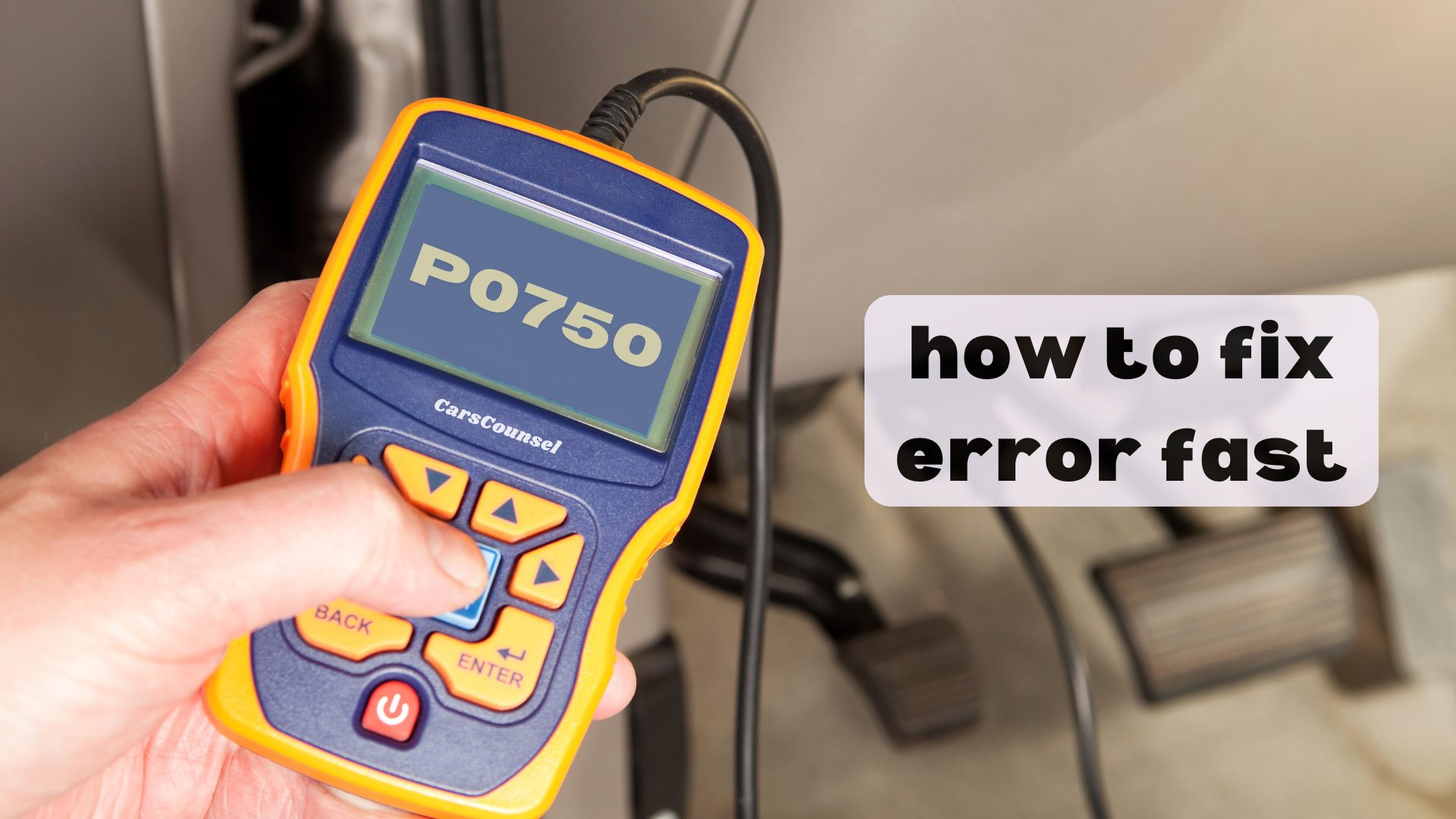
Among OBD2 codes, P0750 is a generic powertrain definition indicating a Shift Solenoid “A” Malfunction. It means the powertrain control module detected an electrical or performance fault in the circuit controlling the first shift solenoid.
Because this code points to a circuit or hydraulic performance issue, the exact diagnostic path depends on your vehicle’s transmission design. Testing the wiring, fluid condition, and solenoid operation is required to identify the root cause.
Quick Navigation
Key Takeaways
- Circuit or performance fault: The PCM or TCM detected an issue with Shift Solenoid A, which directs hydraulic fluid to engage specific gear clutches or bands.
- Electrical and mechanical checks: Diagnosis involves inspecting wiring, measuring solenoid resistance, and verifying transmission fluid level and condition.
- Drivability impacts: A malfunctioning shift solenoid can cause harsh shifts, slipping gears, or trigger a transmission fail-safe limp mode.
- Related codes: P0750 may appear alongside other shift solenoid or gear ratio codes, helping pinpoint if the issue is isolated or system-wide.
P0750 Code Description and Implications
The P0750 code is a generic SAE definition for Shift Solenoid “A” Malfunction. Automatic transmissions use electronically controlled shift solenoids to direct hydraulic fluid to specific clutch packs or bands, enabling gear changes.
Shift Solenoid “A” is typically responsible for specific gear engagements, such as first or second gear, depending on the transmission design. When the PCM or TCM commands the solenoid but detects an electrical open, short, or unexpected hydraulic response, it stores the P0750 code.
This code does not prove the solenoid has failed; it indicates a fault in the control circuit or hydraulic pathway. The exact diagnostic path depends on your vehicle’s specific transmission architecture and wiring layout.
Common Causes of the P0750 Code
- Damaged wiring or connectors: Broken wires, chafed harnesses, or corroded pins at the transmission connector can interrupt the solenoid circuit.
- Degraded transmission fluid: Burnt, dirty, or contaminated fluid can clog the small screens and passages inside the solenoid or valve body.
- Low transmission fluid level: Insufficient fluid prevents the pump from generating the hydraulic pressure needed for the solenoid to operate correctly.
- Mechanically stuck solenoid: The internal valve spool of Shift Solenoid A can become physically jammed due to wear or debris.
- Valve body wear: Worn bores in the transmission valve body can allow hydraulic pressure to bypass the clutch circuits.
Symptoms Associated With P0750
Possible symptoms include:
- Illuminated Check Engine Light (MIL).
- Harsh, delayed, or slipping gear shifts as hydraulic fluid fails to properly apply the clutch packs.
- Transmission entering a fail-safe or limp mode, locking the vehicle in a single gear.
- Inability to shift into specific gears, such as first or second, depending on the solenoid’s function.
Diagnosing the P0750 Trouble Code
Diagnosing a transmission shift solenoid code requires a digital multimeter and the vehicle’s specific wiring diagrams. The first step is to verify the exact factory definition and hydraulic circuit layout for your specific make and model.
A professional diagnostic workflow includes:
- Check fluid level and condition: Verify the fluid is at the correct level and inspect for burnt smells or debris.
- Scan for related codes: Check for additional shift solenoid or gear ratio codes.
- Inspect wiring: Visually check the transmission harness and connectors for damage or corrosion.
- Measure solenoid resistance: Disconnect the transmission connector and measure the resistance of Shift Solenoid A. Compare the reading to the manufacturer’s specification.
- Test hydraulic pressure: If electrical tests pass, a mechanical line pressure test may be required to verify valve body operation.
Repairing the P0750 Issue
Repairs must follow confirmed diagnosis. Never replace the transmission or valve body based solely on the presence of a P0750 code.
- Wiring repair: If testing confirms an open or short in the harness, repair the wiring using proper automotive methods.
- Fluid and filter service: If the fluid is dirty but no mechanical damage is confirmed, a fluid and filter replacement may clear debris.
- Solenoid replacement: If the solenoid measures outside the specified resistance range or is mechanically stuck, replace Shift Solenoid A.
- Valve body service: If the solenoid tests properly but hydraulic issues persist, the valve body may require repair or replacement.
Cost Considerations for P0750 Repairs
The cost to resolve a P0750 code depends heavily on the root cause, diagnostic time, and component accessibility.
A fluid service involves fluid and labor. Solenoid replacement includes the part and labor to drop the transmission pan. Valve body repairs require more extensive labor and potentially transmission removal.
Prevention Strategies for Future Occurrences
While internal valve body wear is not always predictable, you can protect the transmission’s hydraulic system from common fluid-related failures.
- Follow fluid service intervals: Replace fluid and filter to prevent varnish and debris from clogging solenoid screens.
- Monitor fluid condition: Check for dark or burnt-smelling fluid, which indicates overheating and internal wear.
- Address leaks promptly: Repair external transmission leaks to maintain proper fluid levels and hydraulic pressure.
Troubleshooting Tips and Best Practices
- Do not ignore electrical codes: Diagnose wiring issues first, as electrical faults can cause false performance readings.
- Check for TSBs: Manufacturers may issue software updates or technical bulletins for specific transmission shift solenoid issues.
- Verify base line pressure: Ensure the main transmission pump is generating adequate pressure before condemning a single solenoid.
- Inspect the filter: A restricted transmission filter can starve the hydraulic system, mimicking a solenoid malfunction.
More OBD-II Codes
| P0748 | P0747 | P0746 | P0745 |
| P0744 | P0743 | P0751 | P0752 |
| P0753 | P0755 | P0756 | P0757 |
| P0700 | P0715 | P0720 | P0730 |
| P0760 | P0761 | P0765 | P0766 |
| P0770 | P0773 | P0776 | P0778 |
Frequently Asked Questions
Can low transmission fluid cause a P0750 code?
Yes. Low fluid volume prevents the transmission pump from generating adequate hydraulic pressure. This lack of pressure can cause the shift solenoid to fail to engage the correct clutches, triggering a malfunction code.
Is it safe to drive with a P0750 code?
It depends on the symptoms. If the transmission is slipping, shifting harshly, or in limp mode, continued driving can cause severe internal clutch damage. If the vehicle shifts normally, seek diagnosis promptly to prevent long-term damage.
Will a transmission flush fix a P0750 code?
It might, if the root cause is debris clogging the solenoid screen. However, if the fluid is severely burnt or the solenoid is electrically failed, a flush will not repair the component, and replacement is required.
Does P0750 mean my transmission needs to be replaced?
No. P0750 indicates a fault with a specific shift solenoid or its circuit. The root cause is frequently a wiring issue, restricted filter, or faulty solenoid. Internal transmission replacement is only required if severe internal damage is confirmed.
Can a bad TCM cause a P0750 code?
While possible, a failed Transmission Control Module is rare compared to wiring or solenoid faults. The TCM should only be considered after verifying proper fluid condition, confirming electrical circuit integrity, and testing the solenoid according to the manufacturer’s procedure.
What Should You Do About the P0750 Code?
Because the P0750 code indicates an electrical or hydraulic performance issue with Shift Solenoid A, it requires systematic diagnosis rather than trial-and-error parts replacement. Confirm the exact factory definition and hydraulic circuit layout for your specific vehicle application.
Inspect the transmission fluid level and condition, and check the wiring harness for damage. Measure the solenoid resistance and verify hydraulic operation. Follow the manufacturer’s diagnostic procedure to isolate the faulty circuit or component, repair the confirmed root cause, and verify the repair.

