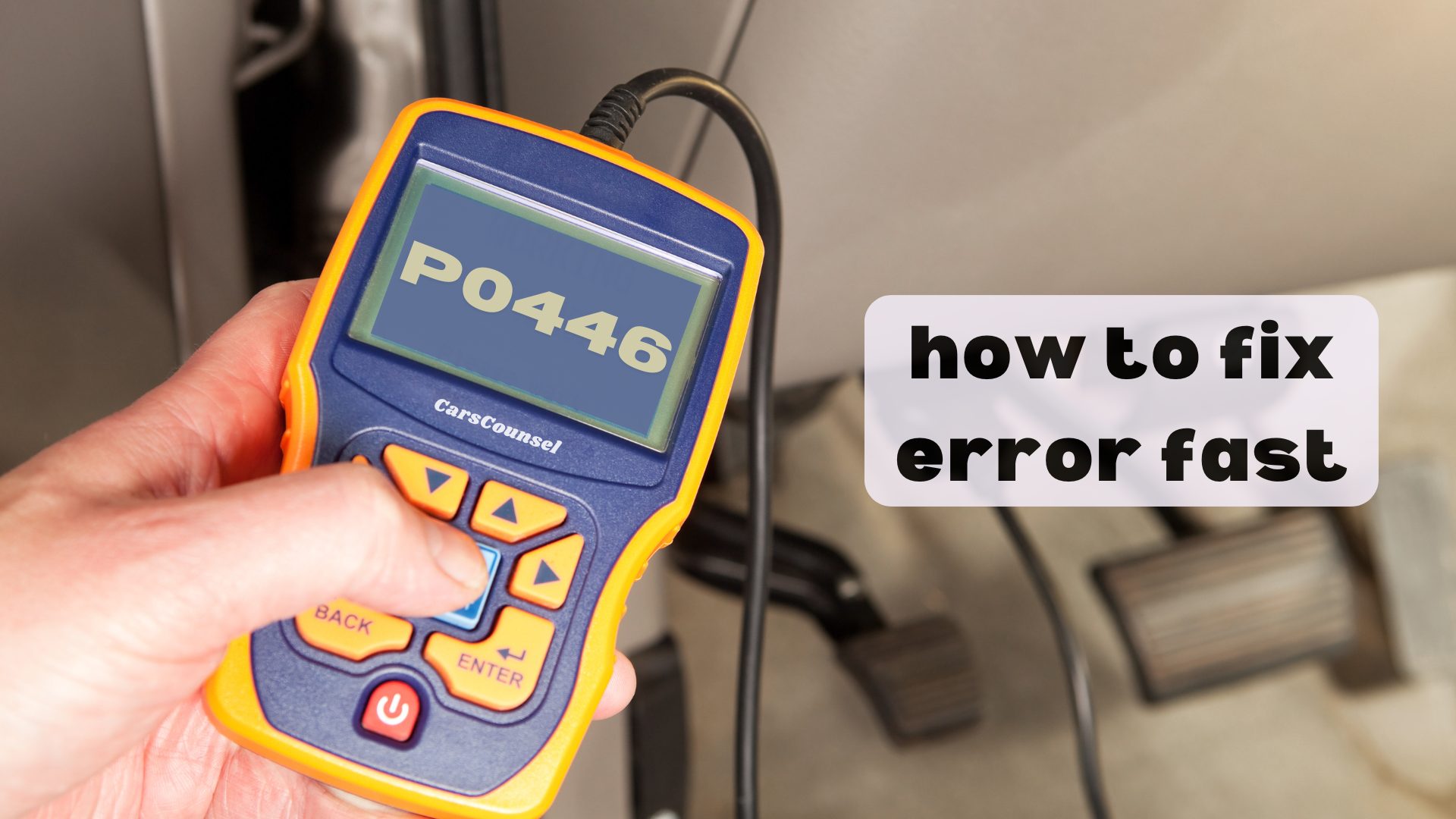
P0446 is a generic OBD-II diagnostic trouble code indicating that the powertrain control module has detected a malfunction in the evaporative emission system vent control circuit. This circuit manages the flow of fresh air into the charcoal canister.
Because this code identifies a circuit or functional fault rather than a single failed part, proper diagnosis requires testing the vent valve, wiring, and air pathways before replacing components.
Quick Navigation
Key Takeaways
- P0446 indicates a malfunction in the evaporative emission system vent control circuit or a blocked vent path.
- Possible causes include a failed vent control valve, damaged wiring, or a clogged vent filter and hose.
- Symptoms are typically limited to an illuminated Check Engine Light and a failed emissions inspection.
- Diagnosis involves verifying the valve’s electrical operation and checking the physical vent pathway for restrictions.
P0446 Code Description and Implications
P0446 is a generic code applicable to all OBD-II equipped vehicles. The evaporative emission control system captures fuel vapors from the fuel tank and stores them in a charcoal canister.
During a purge cycle, the system opens the purge valve and the vent control valve. The vent valve allows fresh air to enter the canister, pushing fuel vapors into the engine intake to be burned.
When the powertrain control module detects an electrical fault in the vent valve circuit, or determines the vent path is blocked, it stores P0446.
Common Causes of the P0446 Code
Diagnostic trouble codes for the vent circuit stem from electrical faults or physical blockages within the EVAP system.
Possible causes include a failed vent control valve or solenoid that is stuck open or closed.
Damaged, corroded, or disconnected wiring and connectors in the vent valve circuit can prevent the module from controlling the valve.
A clogged vent filter, kinked vent hose, or saturated charcoal canister can physically block the airflow, triggering the code.
Symptoms Associated With P0446
Symptoms associated with an EVAP vent control circuit fault are generally limited to emissions and warning indicators.
The primary symptom is an illuminated Check Engine Light on the dashboard.
The vehicle will likely fail an emissions inspection because the EVAP monitor cannot complete its self-test.
While some drivers report decreased fuel economy, drivability issues are rare, though some applications may exhibit a faint fuel odor if the system cannot vent properly.
Diagnosing the P0446 Trouble Code
Diagnosis must begin by verifying the electrical and physical condition of the EVAP vent system.
Use a scan tool with bidirectional controls to command the vent valve open and closed while listening for an audible click.
Inspect the vent valve wiring and connectors for corrosion, damage, or loose pins.
Check the physical vent hose and filter near the charcoal canister for dirt, debris, or physical kinks that restrict airflow.
Test the vent valve coil resistance and circuit continuity according to the manufacturer procedure.
Repairing the P0446 Issue
Repairs must follow confirmed diagnostic testing to address the root cause of the vent circuit fault.
If the vent valve fails electrical testing or does not actuate, replace it with a component meeting the correct vehicle specification.
If a blockage is found in the vent filter or hose, clean or replace the restricted components.
If wiring damage is confirmed, repair the harness and ensure proper environmental sealing before clearing the codes.
Cost Considerations for P0446 Repairs
Cost depends on diagnostic time, component accessibility, required parts, and labor.
Replacing an externally mounted vent valve or a clogged vent filter is generally straightforward.
However, if the vent valve is integrated into a complex charcoal canister assembly located under the vehicle, labor costs will be higher.
Prevention Strategies for Future Occurrences
Inspecting the EVAP vent hoses and the fresh air inlet filter for dirt, mud, or debris can help prevent physical blockages.
Ensuring electrical connectors under the vehicle remain clean and properly sealed helps prevent moisture intrusion and corrosion in the vent valve circuit.
Troubleshooting Tips and Best Practices
Do not confuse the vent control valve with the purge control valve. The vent valve lets air in, while the purge valve draws vapors out.
Codes like P0443 indicate a purge valve circuit fault, while P0446 specifically targets the vent side of the system.
Performing a smoke test can help identify physical leaks, but P0446 is primarily a circuit or blockage issue, so electrical and airflow verification is critical.
More OBD-II Codes
| P0440 | P0441 | P0442 | P0444 |
| P0445 | P0447 | P0448 | P0449 |
| P0450 | P0451 | P0452 | P0453 |
| P0455 | P0456 | P0411 | P0420 |
| P0430 | P1404 | P1441 | P1444 |
| P1445 | P1446 | P1447 | P1448 |
Frequently Asked Questions
Is P0446 a generic OBD-II code?
Yes. P0446 is a generic code applicable to all OBD-II compliant vehicles, indicating a malfunction in the evaporative emission system vent control circuit.
Can I drive with a P0446 code?
Yes, a vent circuit malfunction does not typically affect engine drivability or safety. However, the vehicle will likely fail an emissions inspection until the issue is resolved.
Does P0446 mean I have a fuel leak?
No. P0446 indicates an electrical circuit fault or a blocked vent pathway. It does not indicate a physical fuel vapor leak, which triggers different codes.
Will a new gas cap fix a P0446 code?
No. A loose or faulty gas cap causes physical vapor leaks, not vent control circuit malfunctions. Replacing the cap will not resolve a P0446 code.
Can I clear the P0446 code by disconnecting the battery?
Disconnecting the battery may temporarily clear the code, but it does not repair the electrical fault or blockage. It also resets readiness monitors, causing an emissions test failure.
What Should You Do About the P0446 Code?
Confirm the exact condition of the EVAP vent control circuit by testing the vent valve operation, wiring, and physical air pathways.
Repair or replace the confirmed failed components, then retest the system and complete the necessary drive cycles to verify the repair.


Comments are closed.