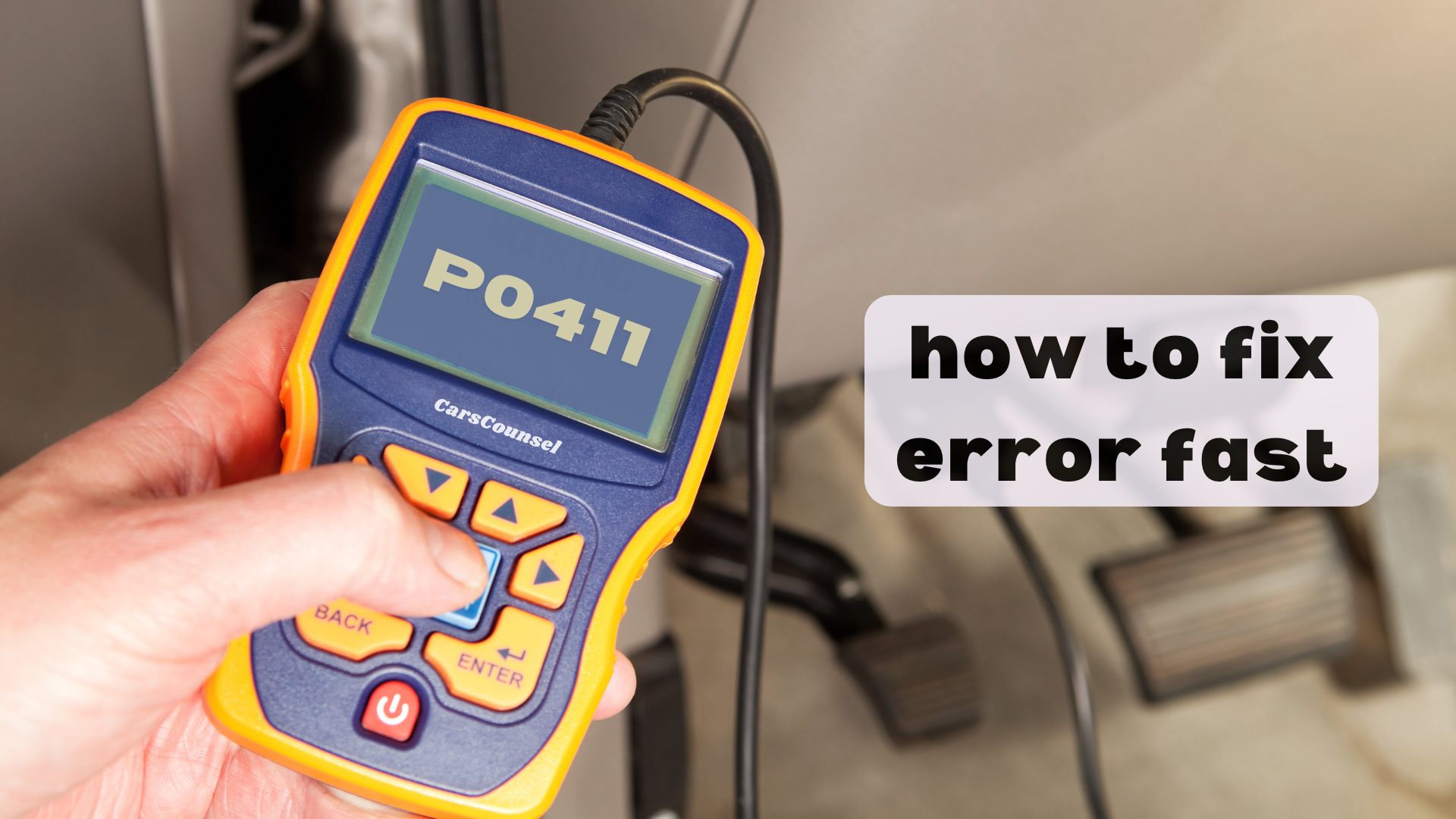
P0411 is a generic OBD-II diagnostic trouble code indicating that the powertrain control module has detected incorrect airflow in the secondary air injection system. This system introduces fresh air into the exhaust stream to reduce cold-start emissions.
Because this code identifies a flow anomaly rather than a single failed part, proper diagnosis requires testing the air pump, check valves, and plumbing before replacing any components.
Quick Navigation
Key Takeaways
- P0411 indicates incorrect airflow detected in the secondary air injection system during cold engine operation.
- Possible causes include a failed air pump, blocked or leaking hoses, or stuck check valves.
- Symptoms typically include an illuminated Check Engine Light and occasionally a loud noise from a failing pump.
- Diagnosis involves verifying pump operation, inspecting the one-way check valves, and checking the air supply hoses.
P0411 Code Description and Implications
P0411 is a generic trouble code applicable to OBD-II equipped vehicles that use a secondary air injection system.
This system uses an electric air pump to force fresh air into the exhaust manifold during cold starts. This extra oxygen helps the catalytic converter reach its operating temperature faster, reducing initial emissions.
When the powertrain control module commands the air pump on but does not detect the expected change in exhaust oxygen levels or system pressure, it stores P0411.
Common Causes of the P0411 Code
Diagnostic trouble codes for incorrect airflow stem from mechanical failures or blockages within the secondary air system.
A failed or seized secondary air injection pump is a known cause, preventing air from entering the exhaust stream.
Stuck, melted, or carbon-fouled one-way check valves can block airflow or allow hot exhaust gases to damage the pump.
Cracked, melted, or disconnected air supply hoses can also cause the system to lose pressure before the air reaches the exhaust.
Additionally, a failed air pump relay, blown fuse, or wiring issue can prevent the pump from receiving power.
Symptoms Associated With P0411
Symptoms associated with a secondary air injection flow fault are generally limited to emissions and warning indicators.
The primary symptom is an illuminated Check Engine Light on the dashboard.
You may hear a loud buzzing, grinding, or whining noise from the engine bay if the air pump bearings are failing or the pump is seized.
In rare cases where a check valve fails open and restricts the exhaust, you might experience a slight loss of engine power.
Diagnosing the P0411 Trouble Code
Diagnosis must begin by verifying the physical and electrical condition of the secondary air injection system.
Command the air pump on using a bidirectional scan tool and listen for it to run. If it does not run, check the fuse, relay, and power supply.
If the pump runs, inspect the one-way check valves. They should allow air to flow toward the exhaust but block flow in the opposite direction.
Inspect all air hoses for cracks, heat damage, or disconnections that would cause a leak.
Repairing the P0411 Issue
Repairs must follow confirmed diagnostic testing to address the root cause of the flow issue.
If the air pump fails to run despite having proper power and ground, replace it with a component meeting the correct vehicle specification.
If a check valve is stuck or melted, replace the valve and inspect the connecting hoses for heat damage.
Replace any cracked or brittle air hoses, then clear the codes and run the system to verify proper airflow.
Cost Considerations for P0411 Repairs
Cost depends on diagnostic time, component accessibility, required parts, and labor.
Replacing an externally mounted air pump and check valves is generally straightforward.
However, if the air injection ports in the cylinder head or exhaust manifold are heavily restricted with carbon, clearing them requires significant labor and higher costs.
Prevention Strategies for Future Occurrences
Inspecting the secondary air injection hoses for heat damage and ensuring the one-way check valves are functioning can help prevent pump failure.
Keeping the air pump intake filter clean, if equipped, prevents debris from entering and damaging the pump internals.
Troubleshooting Tips and Best Practices
Do not confuse the secondary air injection system with the exhaust gas recirculation system. They serve different emissions purposes.
On many modern vehicles, the secondary air system has been eliminated in favor of close-coupled catalytic converters, so this code primarily affects older applications.
Check for related codes like P0410 or P0412, which may provide additional context about the air pump circuit or general system performance.
More OBD-II Codes
| P0420 | P0430 | P0440 | P0441 |
| P0442 | P0444 | P0445 | P0446 |
| P0447 | P0448 | P0450 | P0451 |
| P0452 | P0453 | P0455 | P0456 |
| P0462 | P0463 | P0480 | P0481 |
| P1404 | P1441 | P1444 | P1445 |
Frequently Asked Questions
Is P0411 a generic OBD-II code?
Yes. P0411 is a generic code applicable to OBD-II compliant vehicles equipped with a secondary air injection system, indicating incorrect airflow was detected.
Can I drive with a P0411 code?
Yes, a secondary air injection fault generally does not affect engine drivability or safety. However, the vehicle will likely fail an emissions inspection until the issue is resolved.
Does P0411 mean my catalytic converter is bad?
No. P0411 indicates an issue with the secondary air injection system that helps the catalytic converter warm up. It does not mean the catalytic converter itself has failed.
Will a new oxygen sensor fix a P0411 code?
No. While the powertrain control module uses oxygen sensor data to monitor the secondary air system, the code points to a physical flow issue, not a faulty sensor.
Can I clear the P0411 code by disconnecting the battery?
Disconnecting the battery may temporarily clear the code, but it does not repair the mechanical fault. It also resets readiness monitors, causing an emissions test failure.
What Should You Do About the P0411 Code?
Confirm the exact condition of the secondary air injection system by testing the air pump operation, check valves, and plumbing.
Repair or replace the confirmed failed components, then retest the system and complete the necessary drive cycles to verify the repair.

