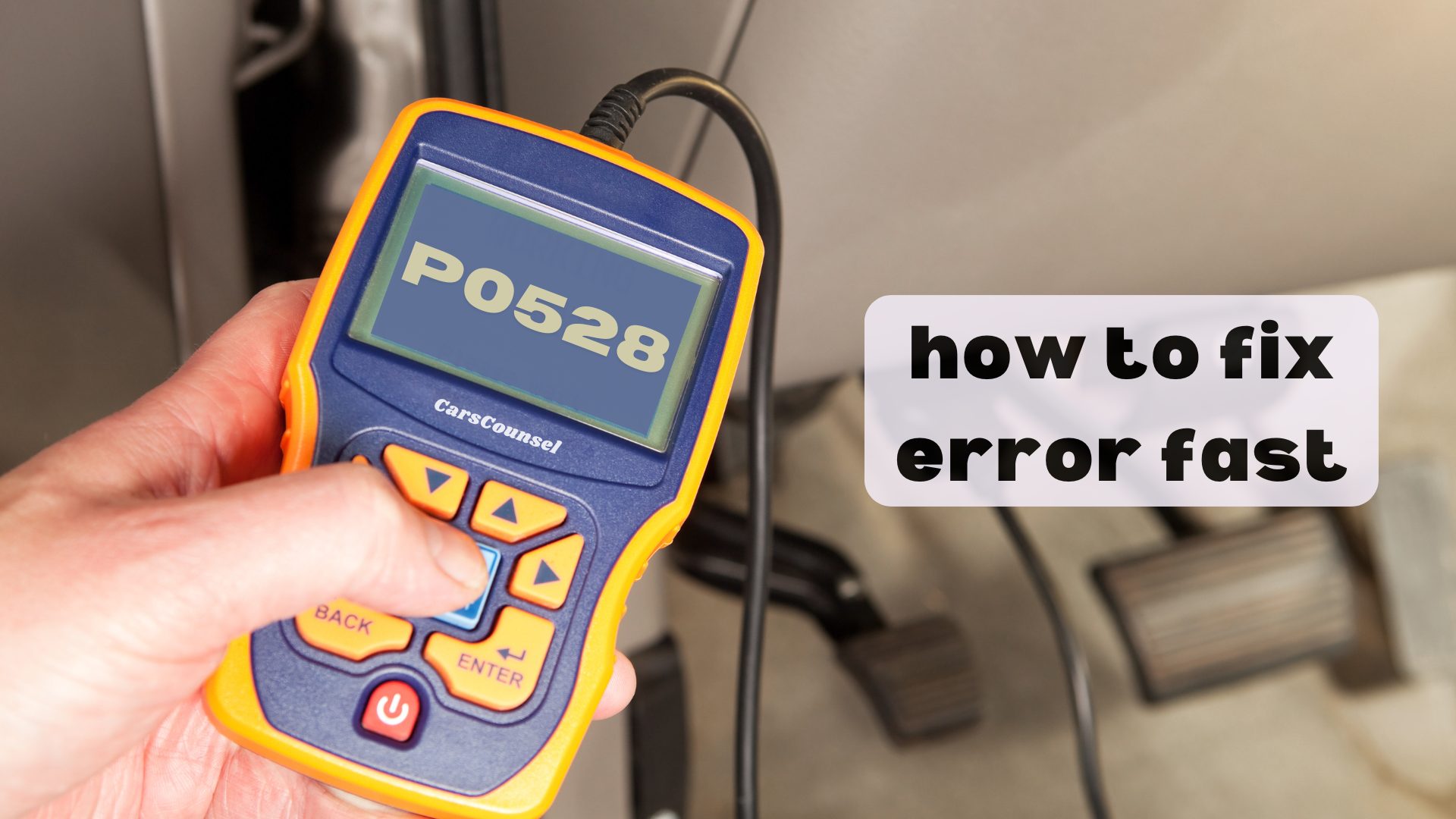
P0528 is a generic OBD-II powertrain code standardized as “Fan Speed Sensor Circuit No Signal.” It applies to vehicles equipped with an electronically controlled engine cooling fan clutch.
This code indicates the powertrain control module (PCM) is not receiving a speed signal from the cooling fan sensor. It does not automatically prove the fan clutch itself has failed.
Quick Navigation
Key Takeaways
- P0528 indicates that the PCM has lost the speed signal from the engine cooling fan sensor.
- Possible causes include a failed electronic fan clutch assembly, damaged wiring, or a corroded connector.
- On many applications, the fan speed sensor is integrated directly into the electronic fan clutch and cannot be replaced separately.
- Diagnosis requires testing the sensor circuit for power, ground, and signal continuity before replacing the fan clutch.
P0528 Code Description and Implications
P0528 is a generic OBD-II powertrain code standardized by SAE as “Fan Speed Sensor Circuit No Signal.”
It applies to vehicles equipped with an electronically controlled viscous cooling fan clutch that relies on a speed sensor to monitor fan RPM.
The powertrain control module (PCM) uses this signal to adjust the fan clutch engagement and maintain optimal engine cooling and A/C system performance.
When the PCM detects that the speed signal from the cooling fan sensor is missing or drops out completely, it stores P0528.
This code identifies a loss of signal in the circuit; it does not automatically prove that the fan clutch assembly has failed internally.
Common Causes of the P0528 Code
Because P0528 specifically identifies a missing signal condition, the root cause usually involves an open circuit, a short, or a failed internal sensor component.
Possible causes include a failed electronic fan clutch assembly, as the speed sensor is often integrated directly into the clutch body and cannot be serviced separately.
Damaged, chafed, or broken wiring in the harness connecting the fan clutch to the PCM is a frequent cause, especially given the sensor’s location near the front of the engine.
A loose, disconnected, or corroded electrical connector at the fan clutch can also interrupt the signal path.
In rare cases, a failed PCM driver circuit may prevent the module from reading the fan speed sensor signal.
Symptoms Associated With P0528
The most consistent symptom is an illuminated Check Engine Light.
Because the PCM loses the ability to monitor and control fan speed accurately, it often commands the cooling fan to default to its maximum fail-safe speed.
This results in a loud, constant roaring noise from the engine bay and may cause the engine to warm up slower than normal or experience reduced fuel efficiency due to parasitic drag.
The air conditioning system may blow warm or cycle improperly, as the PCM requires accurate fan speed data to ensure adequate condenser cooling at low vehicle speeds.
MIL behavior varies by application. Some vehicles may illuminate the Check Engine Light immediately, while others may store the DTC without commanding it.
Diagnosing the P0528 Trouble Code
Diagnosis must begin by confirming the exact factory definition and wiring diagram for the specific make, model, and engine.
Retrieve the code and record any freeze-frame data or related OBD2 codes using a scan tool capable of commanding and monitoring cooling fan data.
Visually inspect the wiring harness and electrical connectors at the fan clutch and the PCM for physical damage, chafing from the serpentine belt, or corrosion.
Check the fan speed sensor circuit for proper reference voltage, ground, and signal continuity using a digital multimeter according to the manufacturer wiring diagram.
If the wiring and connectors test within specifications, the internal sensor within the fan clutch assembly is likely faulty.
Repairing the P0528 Issue
Repairs must follow the confirmed root cause identified during electrical testing.
If wiring damage or a broken trace is found near the fan clutch connector, repair or replace the affected harness section and clear the code.
If the electrical connector is corroded or damaged, repair the terminals or replace the connector pigtail.
If the electronic fan clutch assembly fails the manufacturer’s electrical and functional tests, replace the entire fan clutch assembly with a component meeting the correct vehicle specification.
Always clear the codes and perform a test drive or idle test to verify the repair and ensure the PCM can successfully read the fan speed data.
Cost Considerations for P0528 Repairs
Repair costs for P0528 vary based on the underlying fault, vehicle accessibility, and local labor rates.
Wiring repairs or connector replacements are typically the least expensive fixes, requiring only minor labor and basic materials.
Replacing an electronic fan clutch assembly involves moderate to high parts costs, and labor time increases if significant front-end components must be removed for access.
If the repair requires replacing and programming the PCM, parts and diagnostic costs will be higher.
Cost depends on diagnostic time, component accessibility, required parts, programming requirements, and labor.
Prevention Strategies for Future Occurrences
Keeping electrical connectors clean and ensuring wiring harnesses near the cooling fan and serpentine belt are securely routed can help prevent chafing and physical damage.
Inspecting the fan clutch wiring during routine belt or cooling system service can help identify developing damage or moisture intrusion before it causes an open circuit.
Using dielectric grease on electrical connections where specified by the manufacturer may reduce corrosion in harsh under-hood environments.
Troubleshooting Tips and Best Practices
Do not assume a P0528 code automatically requires replacing the entire fan clutch; a chafed wire or a corroded connector will produce the exact same no-signal electrical signature.
If the cooling fan is locked on high speed and roaring loudly, this is a deliberate fail-safe strategy by the PCM to prevent engine overheating when the speed signal is lost.
Check for applicable technical service bulletins or software updates, as some manufacturers release updated fan clutch part numbers or PCM recalibrations to address premature signal dropouts.
Verify that aftermarket cooling system modifications or auxiliary fan installations are not interfering with the factory fan speed sensor wiring.
More OBD-II Codes
| P0526 | P0524 | P0532 | P0533 |
| P0520 | P0521 | P0522 | P0523 |
| P0480 | P0481 | P0690 | P0691 |
| P0117 | P0118 | P0125 | P0217 |
| P2181 | P0420 | P0430 | P0700 |
| P0011 | P0014 | P0017 | P1101 |
Frequently Asked Questions
Is P0528 related to the engine oil pressure sensor?
No. P0528 specifically identifies a fault in the engine cooling fan speed sensor circuit. Engine oil pressure sensor faults are identified by different codes, such as P0520 or P0522.
Can a P0528 code cause my engine to overheat?
Usually, no. When the PCM loses the fan speed signal, it typically commands the fan clutch to lock at maximum speed as a fail-safe. This prevents overheating but causes excessive noise and parasitic drag.
Will P0528 disable my air conditioning?
Yes. Many vehicles require verified cooling fan operation to run the A/C compressor. If the PCM cannot confirm the fan speed, it may disable the A/C to protect the system from high head pressures.
Is it safe to drive with the P0528 code active?
The vehicle is usually safe to drive to a repair facility. However, the locked cooling fan will cause a loud roaring noise, reduced fuel economy, and potentially slower engine warm-up until the fault is repaired.
Can I just replace the fan speed sensor instead of the whole clutch?
On most modern applications, the speed sensor is permanently integrated into the electronic viscous fan clutch assembly and is not sold or replaceable as a separate component.
What Should You Do About the P0528 Code?
Confirm the exact factory definition and wiring diagram for your specific vehicle application.
Follow the applicable manufacturer diagnostic procedure to test the cooling fan speed sensor circuit, wiring harness, and fan clutch assembly outputs.
Repair or replace the confirmed failed component, then retest the system to ensure the PCM can accurately monitor the fan speed data.

