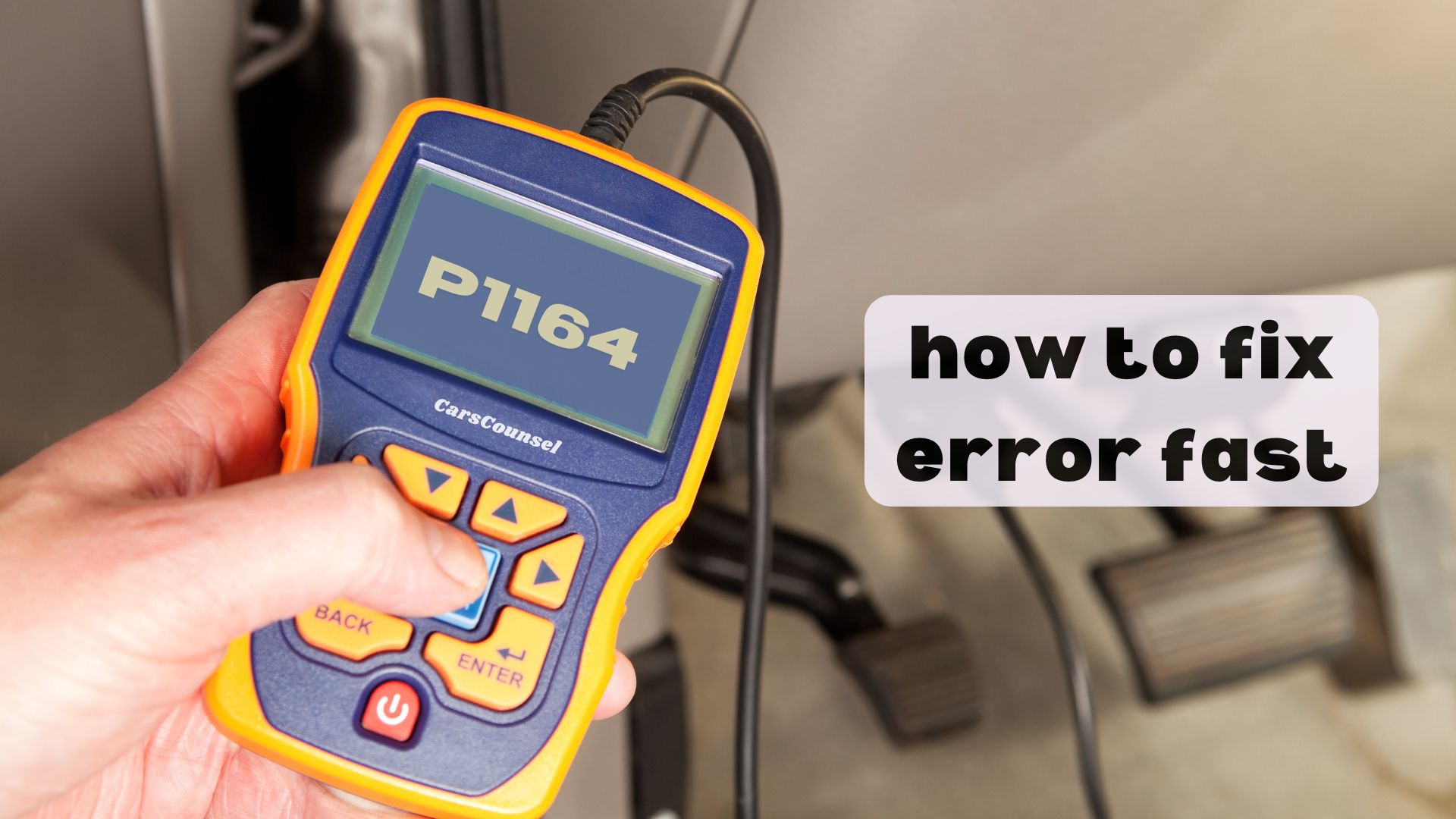
The P1164 diagnostic trouble code is a manufacturer-specific powertrain code. Its exact definition depends heavily on the vehicle make, pointing to an air/fuel ratio sensor fault, a fuel temperature sensor issue, or an oxygen sensor heater circuit malfunction.
Because this code targets entirely different systems across manufacturers, the exact vehicle application must be verified before diagnosis. The code alone does not prove a specific component has failed without proper testing.
Quick Navigation
Key Takeaways
- P1164 is a manufacturer-specific powertrain code with differing definitions depending on the vehicle make.
- On Honda and Acura applications, it indicates an Air/Fuel Ratio Sensor 1 Circuit Range/Performance fault.
- On certain Volkswagen and Audi applications, it points to a Fuel Temperature Sensor circuit or fuel trim lean condition.
- On BMW applications, it indicates an Oxygen Sensor Heater Control Circuit Bank 2 Sensor 2 fault.
- Diagnosis requires verifying the exact factory definition and testing the relevant sensor circuit or fuel delivery system.
P1164 Code Description and Implications
The P1164 code indicates that a control module has detected a specific fault within the fuel delivery or emissions monitoring systems. Because it is a manufacturer-specific code, the exact monitored component varies significantly by brand.
Some Honda and Acura applications: P1164 indicates an Air/Fuel Ratio Sensor 1 Circuit Range/Performance fault. The ECM detects that the air-to-fuel ratio sensor signal is outside the expected parameters.
Certain Volkswagen and Audi applications: The code indicates a Fuel Temperature Sensor circuit range/performance issue or a fuel trim system too lean condition.
Some BMW applications: P1164 indicates an Oxygen Sensor Heater Control Circuit Bank 2 Sensor 2 fault, meaning the ECM detects an issue with the heater element circuit.
Common Causes of the P1164 Code
Because P1164 applies to different systems across different brands, the root cause depends on the verified vehicle application.
Honda and Acura Causes: A failing air/fuel ratio sensor, exhaust leaks upstream of the sensor, vacuum leaks in the intake system, or damaged sensor wiring.
Volkswagen and Audi Causes: A faulty fuel temperature sensor, damaged wiring harness, poor electrical connections, or actual fuel delivery issues causing a lean condition.
BMW Causes: A failed oxygen sensor heater element, damaged sensor wiring, a blown fuse for the sensor heaters, or poor electrical connections.
Symptoms Associated With P1164
When the control module detects a critical system fault, it illuminates a warning light and may alter vehicle operation.
Warning Lights: The Check Engine Light will illuminate. On some applications, a traction control or stability warning may also appear if the engine enters a reduced-power mode.
Drivability: On air/fuel ratio sensor applications, decreased fuel efficiency, rough idling, or engine hesitation may occur. On fuel temperature or lean condition applications, poor acceleration or stalling is possible.
Diagnosing the P1164 Trouble Code
Accurate diagnosis begins by verifying the exact vehicle application and reviewing manufacturer-specific service information.
For Honda and Acura applications: Inspect the exhaust system for leaks upstream of the sensor. Monitor live air/fuel ratio data using a scan tool and verify the applicable reference, signal, and ground circuits.
For Volkswagen and Audi applications: Test the fuel temperature sensor resistance and compare it to ambient and coolant temperature readings. Check for intake vacuum leaks if a lean fuel trim condition is verified.
For BMW applications: Check the oxygen sensor heater circuit fuse. Measure the heater element resistance and verify the power and ground circuits at the sensor connector.
Repairing the P1164 Issue
Repairs must follow the confirmed root cause identified during diagnosis.
Sensor and Circuit Repairs: If the air/fuel ratio, fuel temperature, or oxygen sensor fails electrical testing, replace the confirmed failed component. Repair any damaged wiring or corroded connectors in the circuit.
Mechanical and Leak Repairs: If an exhaust leak or intake vacuum leak is confirmed, replace the affected gaskets or hoses to restore the proper seal and correct the sensor readings.
Cost Considerations for P1164 Repairs
Cost depends on diagnostic time, component accessibility, required parts, programming requirements, and labor.
Replacing an oxygen or fuel temperature sensor involves minimal to moderate labor. However, replacing an air/fuel ratio sensor or diagnosing complex exhaust and intake leaks requires additional diagnostic time and specialized equipment.
Prevention Strategies for Future Occurrences
Inspecting the exhaust system for rust or damage helps prevent leaks that can introduce false air to the air/fuel ratio sensor and trigger range/performance faults.
Keeping sensor electrical connectors clean and secure helps prevent moisture intrusion and poor electrical connections in the heater and signal circuits.
Troubleshooting Tips and Best Practices
Follow these practices to avoid misdiagnosis and ensure accurate repairs.
Do not assume the air/fuel ratio sensor is the primary cause: An exhaust leak upstream of the sensor is a frequent cause of range/performance faults. Always verify the exhaust system is sealed first.
Check for related codes: Look for accompanying fuel trim or misfire codes, which might help pinpoint a broader fuel delivery or air metering issue.
Verify your definition: When researching this error code, always confirm whether your specific vehicle uses the A/F sensor, fuel temperature, or oxygen heater definition before ordering parts.
More OBD-II Codes
| P1163 | P1161 | P1159 | P1158 |
| P1157 | P1156 | P1165 | P1170 |
| P1171 | P1185 | P1189 | P1187 |
| P0131 | P0132 | P0133 | P0135 |
| P1155 | P1154 | P1153 | P1150 |
| P1149 | P1148 | P1147 | P1146 |
Frequently Asked Questions
Is P1164 a generic or manufacturer-specific code?
No. P1164 is a manufacturer-specific powertrain code. Its definition varies significantly by brand, indicating an air/fuel ratio sensor fault, a fuel temperature sensor issue, or an oxygen sensor heater circuit malfunction.
Can I drive my vehicle with a P1164 code?
The vehicle may remain drivable, but a faulty air/fuel ratio or oxygen sensor can cause decreased fuel efficiency and elevated emissions. Driving should be limited until the sensor or leak is repaired.
Will disconnecting the battery clear the P1164 code?
Disconnecting the battery might temporarily clear the code. However, it does not repair the underlying failed sensor, exhaust leak, or damaged wiring, and the code will return upon the next monitor cycle.
Can an exhaust leak cause a P1164 code?
Yes. On applications where P1164 indicates an air/fuel ratio sensor range/performance fault, an exhaust leak upstream of the sensor can introduce false air and trigger the code.
Does P1164 affect the transmission?
No. The P1164 code relates strictly to the engine fuel delivery, air metering, or specific emissions sensor circuits. It does not directly affect the automatic or manual transmission operation.
What Should You Do About the P1164 Code?
When a P1164 code appears, confirm the exact factory definition for your specific vehicle make and model. Because this code targets entirely different fuel delivery, air metering, and sensor systems depending on the manufacturer, applying the wrong diagnostic path will lead to misdiagnosis.
Follow the applicable manufacturer diagnostic procedure to test the relevant system and components. Once the root cause is confirmed, complete the necessary electrical repairs, component replacements, or leak corrections before returning the vehicle to normal service.

