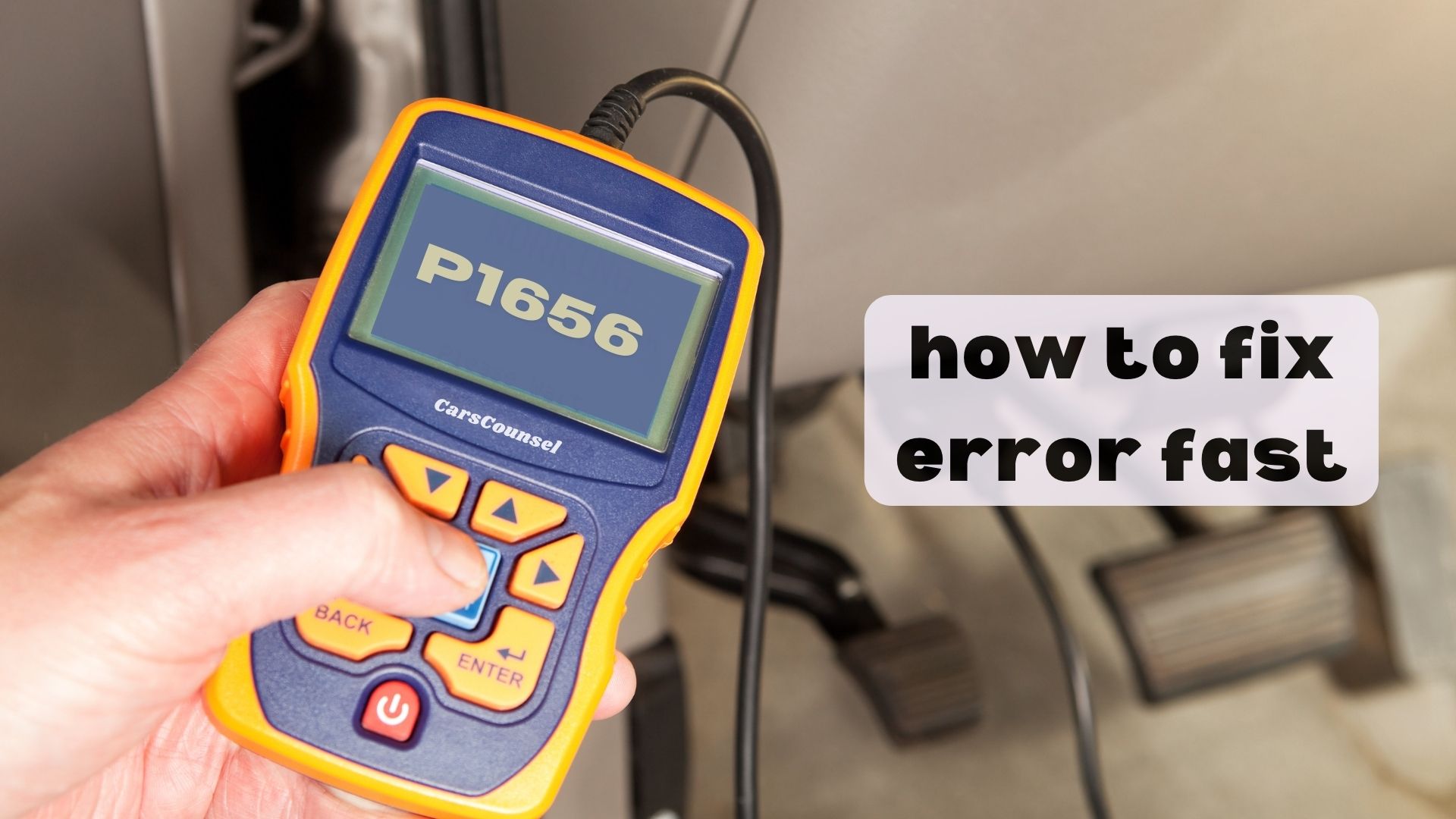
The P1656 trouble code is a manufacturer-specific powertrain code. Its exact definition depends on the vehicle application, most notably indicating an Oil Control Valve circuit malfunction on Toyota and Lexus vehicles.
Because it is manufacturer-specific, the exact application must be verified. The code identifies a detected electrical condition, and testing is required to identify the root cause.
Quick Navigation
Key Takeaways
- P1656 is a manufacturer-specific code, primarily indicating an Oil Control Valve circuit malfunction on Toyota and Lexus applications.
- Possible causes include a failed Oil Control Valve, damaged wiring, poor connector contact, or an internal control module fault.
- Symptoms typically include an illuminated Check Engine Light, rough idling, and poor engine performance due to improper valve timing.
- Proper diagnosis requires testing the solenoid resistance and verifying the control circuit wiring before replacing components.
- Repairs range from fixing damaged wiring harnesses to replacing the Oil Control Valve or addressing module issues.
P1656 Code Description and Implications
The P1656 code is a manufacturer-specific powertrain definition. Because it is not a generic SAE code, its exact meaning depends entirely on the vehicle application.
Toyota and Lexus applications: On these vehicles, P1656 indicates a malfunction in the Oil Control Valve circuit for Bank 1. The engine control module monitors the electrical circuit controlling oil flow to the Variable Valve Timing system.
If the module detects an open or short in this circuit, it sets this error code. Other manufacturers may use this code for different auxiliary output circuits or internal module faults.
Common Causes of the P1656 Code
Electrical faults and component wear are the primary triggers for this circuit malfunction. The control module expects a specific electrical resistance and current draw from the solenoid coil.
Failed Oil Control Valve: The internal solenoid coil can degrade, short internally, or open completely, preventing the module from controlling the valve.
Wiring or connector damage: The wiring harness routing to the valve can become chafed, melted by engine heat, or contaminated with oil, interrupting the circuit.
Poor electrical connections or corrosion at the sensor connector can also trigger this fault. In rare cases, an internal fault within the engine control module may prevent it from driving the circuit.
Symptoms Associated With P1656
When the control module detects a fault in the Oil Control Valve circuit, it illuminates the Check Engine Light. Depending on the vehicle, other symptoms may appear.
Rough idling and poor performance: Without proper electrical control, the Variable Valve Timing system cannot adjust valve timing correctly, leading to hesitation and decreased fuel efficiency.
Fail-safe mode: Some applications may limit engine RPM and power to protect the engine from improper valve timing events.
Diagnosing the P1656 Trouble Code
Accurate diagnosis begins by confirming the exact factory definition and wiring diagram for your specific vehicle make and model.
Visual inspection: Inspect the Oil Control Valve wiring harness and connector. Look for melted insulation near the exhaust, corrosion inside the connector, or engine oil intrusion.
Circuit testing: Using a digital multimeter, measure the resistance of the solenoid coil and compare it to the manufacturer specification. Verify that the control module provides the correct voltage and ground signals.
Repairing the P1656 Issue
Repairs must address the specific root cause identified during testing. Simply clearing the code will not resolve an underlying electrical or component fault.
Wiring repair: If a broken or shorted wire is found, repair the harness using solder and heat-shrink tubing. Ensure the repaired harness is routed away from hot exhaust components.
Component replacement: If the internal solenoid coil fails resistance testing, replace the Oil Control Valve with a component meeting the correct vehicle specification.
Cost Considerations for P1656 Repairs
Cost depends on diagnostic time, component accessibility, required parts, and labor.
Replacing an externally mounted valve is generally straightforward. Labor time increases if the valve is located in a tight area or requires intake manifold removal to access.
Prevention Strategies for Future Occurrences
While internal solenoid failures cannot always be predicted due to normal wear, you can protect the external circuits from common damage.
Inspecting exposed wiring and connectors near the engine can help identify developing damage or oil leaks that could contaminate electrical connections.
Maintaining proper engine oil level and using the correct oil viscosity ensures the mechanical components operate as designed, reducing strain on the electrical control system.
Troubleshooting Tips and Best Practices
Do not assume the valve is faulty just because a P1656 code is present. A pinched wire or corroded connector will produce the exact same circuit fault reading.
Always check for Technical Service Bulletins for your specific vehicle. Manufacturers occasionally release updated valve part numbers or revised wiring harnesses to address chronic circuit faults.
Ensure the engine oil is clean and at the proper level. Sludge or low oil can cause mechanical timing issues that complicate electrical circuit diagnosis.
More OBD-II Codes
| P1650 | P1651 | P1652 | P1653 |
| P1654 | P1655 | P1658 | P1660 |
| P1661 | P1662 | P1666 | P1668 |
| P0010 | P0011 | P0012 | P0013 |
| P0014 | P1684 | P1685 | P1686 |
| P1687 | P1688 | P1689 | P1690 |
Frequently Asked Questions
Is P1656 a generic or manufacturer-specific code?
No. P1656 is a manufacturer-specific powertrain code. It primarily indicates an Oil Control Valve circuit fault on Toyota and Lexus vehicles, though its exact definition varies by automaker.
Can I drive my car with a P1656 code?
Driving is possible but not recommended for long distances. A faulty circuit prevents proper variable valve timing, which can cause rough idling, poor performance, and potential engine damage.
Will an oil change fix a P1656 code?
An oil change will not fix an electrical circuit fault. However, maintaining clean oil at the correct level is necessary for mechanical timing components to operate once the electrical issue is repaired.
Can low engine oil cause a P1656 code?
Low oil typically triggers mechanical performance codes rather than an electrical circuit code. However, severe oil starvation could affect solenoid operation, making proper oil level verification a necessary diagnostic step.
Does P1656 always mean the Oil Control Valve is bad?
No. The code identifies a detected circuit condition. This is frequently caused by damaged wiring, a poor connector, or a blown fuse. The valve should only be replaced after electrical testing confirms failure.
What Should You Do About the P1656 Code?
Confirm the exact factory definition for your vehicle, then follow the applicable manufacturer diagnostic procedure. Because P1656 is manufacturer-specific, the diagnostic path for an Oil Control Valve differs from other auxiliary output circuits.
Inspect the relevant system and components, including engine wiring, solenoids, and connectors. Repair any confirmed wiring faults, or replace the relevant system components only after electrical testing verifies the failure.

