The Range Rover Velar entered production in 2018 as a midsize luxury SUV slotting between the Evoque and Range Rover Sport. Production continues through 2026 with one generation featuring multiple updates and trim changes.
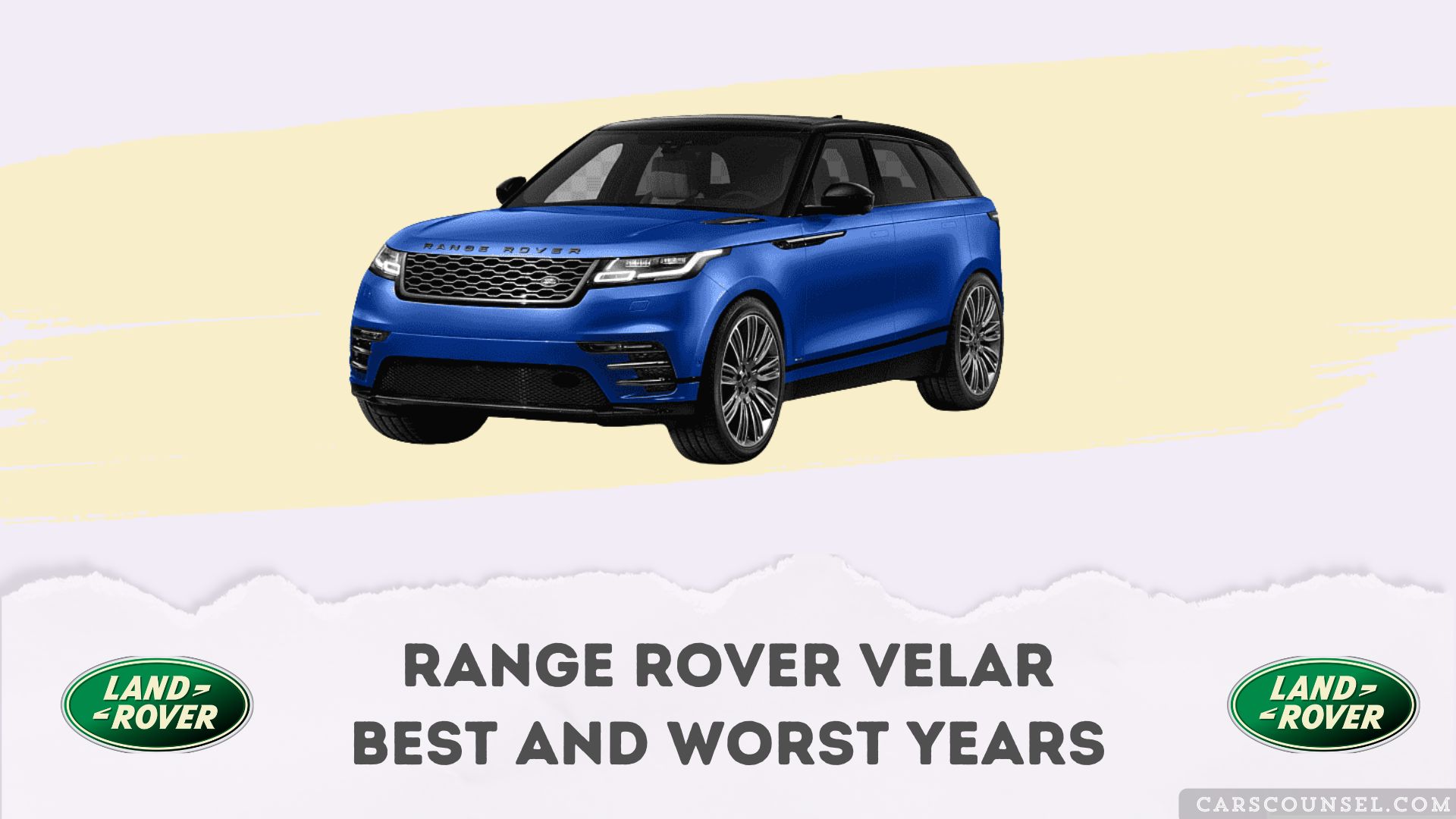
This article breaks down the best and worst model years of the Range Rover Velar based on reliability data, owner complaints, recall history, and long-term dependability. Understanding which years offer better engineering and fewer defects can help buyers make informed purchasing decisions.
Quick Navigation
Range Rover Velar Generational Overview
First Generation (2018 – 2026)
The Range Rover Velar debuted in 2018 with a 2.0-liter turbocharged four-cylinder engine producing 247 horsepower and 269 lb-ft of torque. Initial models offered V6 and V8 engine options alongside the base four-cylinder. The design featured dual touchscreen displays and an advanced infotainment system.
Early production years experienced significant electrical problems, fuel system defects, and transmission failures. The 2018 model year faced a fuel rail recall affecting vehicles with 2.0-liter engines, where end caps leaked fuel into the engine bay. Crankshaft pulley bolt failures affected 2019 V6 and V8 models, potentially causing complete engine failure.
The 2021 model year eliminated the V8 engine option and updated the infotainment system. Heated front seats became standard across all 2022 models. The 2023 model replaced the HSE trim with the HST trim and showed improved reliability. The 2026 refresh introduced the Autobiography trim at the top of the lineup with three total trim levels.
Best Years for the Range Rover Velar
The most dependable Range Rover Velar model years offer fewer reported defects and improved component quality.
2023 Range Rover Velar
The 2023 model year represents the most reliable Velar to date with significantly fewer owner complaints compared to earlier years. Electrical system stability improved and air suspension failures decreased. This year benefited from multiple production refinements addressing earlier defects.
2024 Range Rover Velar
The 2024 model introduced a facelift with enhanced reliability features and updated safety systems. Transmission calibration improvements reduced shifting complaints. Build quality showed measurable advancement over 2018-2020 models.
2025-2026 Range Rover Velar
The newest Velar models incorporate lessons learned from earlier production issues. Standard equipment levels increased across all trims. These years offer better warranty coverage for buyers concerned about long-term ownership costs.
Worst Years for the Range Rover Velar
Several model years demonstrate higher failure rates and expensive repair requirements.
2018 Range Rover Velar
The inaugural year suffered from widespread infotainment system malfunctions, including unresponsive touchscreens and navigation failures. The fuel rail recall affected numerous 2.0-liter engines, requiring complete fuel rail and injector replacement. Electronic glitches caused climate control failures and false parking sensor alerts.
2019 Range Rover Velar
The 2019 model faced engine failures due to crankshaft pulley bolt fractures on V6 and V8 engines. Transmission issues included rough shifting, hesitation, and complete transmission failure. Electrical problems persisted from the 2018 model year.
2020 Range Rover Velar
Air suspension problems became more prevalent in 2020 models, causing ride height failures and expensive repairs. Auto High Beam system defects required a recall affecting instrument cluster displays. Overall reliability remained below average compared to competitive luxury SUVs.
Common Problems Across the Range Rover Velar Lineup
Electrical System Malfunctions
Infotainment touchscreens freeze or become completely unresponsive, affecting navigation, climate control, and driver assistance features. Digital dashboards experience startup failures and intermittent display problems. Camera and sensor systems stop working without warning.
Air Suspension Failures
The air suspension system develops leaks in the air springs and valve blocks, causing the vehicle to drop to minimum ride height. Compressor failures prevent the suspension from raising or lowering properly. Repairs require expensive component replacement rather than simple fixes.
Transmission Issues
Transmissions exhibit rough shifting between gears, particularly during low-speed acceleration. Some units experience complete transmission failure requiring full replacement. Hesitation during gear changes creates unsafe driving conditions.
Fuel System Defects
Early 2.0-liter engines suffered fuel rail end cap leaks that allowed fuel vapor or liquid fuel into the engine bay. This defect created fire hazards and required immediate recall repairs. Fuel injectors required replacement alongside the fuel rail assembly.
Engine Failures
Crankshaft pulley retaining bolts fracture on V6 and V8 engines, leading to complete engine failure. This mechanical defect immobilizes the vehicle and requires extensive engine repairs. The problem primarily affected 2019 models with six and eight-cylinder engines.
Brake System Problems
Brake pads and rotors wear prematurely, sometimes within weeks after servicing. Braking produces abnormal noises and vibrations during normal operation. Reduced braking power creates safety concerns requiring immediate professional attention.
Airbag System Defects
Sensor failures and deployment system malfunctions triggered multiple airbag recalls. These safety-critical defects require immediate dealer inspection and repair. Owners should verify recall completion before purchasing used Velars.
Reliability Breakdown by Year
2026 Range Rover Velar Reliability Rating
The 2026 model incorporates the latest production improvements with three trim levels and updated exterior colors. This year represents the most refined version of the first-generation Velar. Long-term reliability data remains limited due to recent introduction.
2025 Range Rover Velar Reliability Rating
The 2025 Velar benefits from ongoing quality improvements addressing earlier defects. Electrical system stability shows measurable advancement. Warranty coverage provides protection against unexpected repairs.
2024 Range Rover Velar Reliability Rating
The facelift year introduced enhanced safety features and improved reliability metrics. Transmission performance became more consistent with fewer shifting complaints. Build quality exceeded previous model years.
2023 Range Rover Velar Reliability Rating
The HST trim replaced HSE as the mid-level option while reliability reached its highest point for the generation. Fewer electrical issues and improved air suspension durability marked this year. This model year shows the lowest complaint frequency.
2022 Range Rover Velar Reliability Rating
Heated front seats became standard equipment across the lineup. Reliability improved moderately over 2020-2021 models but some issues persisted. Air suspension problems decreased compared to earlier years.
2021 Range Rover Velar Reliability Rating
The V8 engine option was discontinued and infotainment updates addressed some earlier software problems. Reliability improvements became noticeable but did not reach 2023 levels. Transmission calibration refinements reduced shifting complaints.
2020 Range Rover Velar Reliability Rating
Air suspension issues increased significantly in 2020 models. The Auto High Beam recall affected numerous vehicles. Apple CarPlay and Android Auto became standard features.
2019 Range Rover Velar Reliability Rating
Engine failures from crankshaft pulley bolt fractures affected V6 and V8 models. Transmission problems continued from 2018 with rough shifting and hesitation. This year ranks among the worst for reliability.
2018 Range Rover Velar Reliability Rating
The debut year experienced the highest defect rates with fuel rail leaks requiring recalls. Infotainment system failures occurred frequently with unresponsive touchscreens. Electronic glitches affected climate control, sensors, and dashboard displays.
Warranty & Ownership Costs
The Range Rover Velar costs approximately $17,652 for maintenance and repairs during the first 10 years of ownership. This figure exceeds the luxury SUV segment average by $5,199. First-year maintenance averages $716, increasing to $2,649 by year 10.
The vehicle carries a 51.26% probability of requiring major repairs within 10 years, which is 12.75% worse than comparable luxury SUVs. Five-year maintenance costs total $5,542, which is $32 less than the segment average. Extended warranties are strongly recommended due to high repair probability.
Annual insurance costs average $3,286, totaling approximately $16,430 over five years. Service intervals require oil changes every 7,500 miles and transmission fluid service every 30,000 miles. Transfer case fluid replacement occurs at 30,000-mile intervals.
Buying Guide: What to Look For
Best Value Years
The 2023 model year offers the best balance of reliability and used vehicle pricing. Buyers seeking newer vehicles should consider 2024-2026 models with improved quality control. Avoid 2018-2020 models unless pricing reflects higher repair risks.
Critical Inspection Points
Test the infotainment touchscreens thoroughly for responsiveness and freezing issues. Verify air suspension operation by cycling through all ride height settings. Check transmission shifting during low-speed acceleration and highway cruising.
Recall Verification
Confirm completion of fuel rail recalls on 2018 models with 2.0-liter engines. Verify crankshaft pulley bolt repairs on 2019 V6 and V8 models. Check Auto High Beam recall status on 2018-2020 vehicles.
Mileage Considerations
High-mileage Velars face increased air suspension component failures. Transmission problems often appear between 30,000-50,000 miles. Extended warranties provide value for vehicles approaching 60,000 miles.
Component Priorities
Inspect brake pads and rotors for premature wear. Examine electrical system operation including cameras, sensors, and dashboard displays. Review service records for suspension repairs and electrical troubleshooting.
When looking at performance cars, make sure to check out our guides on models like the Range Rover Vogue, Land Rover Range Rover, Land Rover Discovery 4 and Land Rover Freelander. Knowing which model years to target and which to avoid is crucial. Our expert reviews break down these models, providing insights into the years that are celebrated for their engineering excellence and driving satisfaction, as well as those that are best to avoid due to potential issues.
FAQs
Is the Range Rover Velar reliable?
The Range Rover Velar shows below-average reliability with a 51.26% chance of major repairs within 10 years. Model years 2023 and newer demonstrate improved dependability compared to 2018-2020 models. Maintenance costs exceed the luxury SUV segment average.
What year of the Range Rover Velar is most dependable?
The 2023 model year represents the most reliable Velar with the fewest owner complaints and improved component quality. The 2024 facelift also shows promise with enhanced systems. Buyers seeking maximum reliability should target 2023-2026 models.
What year Range Rover Velar should you avoid?
Avoid 2018 and 2019 model years due to fuel system recalls, engine failures, and widespread electrical problems. The 2020 model also experienced significant air suspension and transmission issues. These years carry the highest repair costs and lowest reliability ratings.
What are the most common Range Rover Velar problems?
Electrical system malfunctions affecting infotainment and sensors occur most frequently. Air suspension failures and transmission issues create expensive repair bills. Early models suffered fuel rail leaks and crankshaft pulley bolt failures.
How long does a Range Rover Velar last?
With proper maintenance, a Range Rover Velar can reach 150,000 miles, but high repair costs often make ownership impractical beyond 100,000 miles. Major repairs become increasingly likely after year 10. Extended warranties help manage unexpected repair expenses.
Conclusion
The Range Rover Velar’s best years are 2023-2026, with the 2023 model offering the most proven reliability improvements. The worst years remain 2018-2020, particularly 2018-2019, due to extensive recalls and electrical failures.
Overall dependability falls below the luxury SUV segment average with maintenance costs exceeding $17,000 over 10 years. Buyers should prioritize 2023 or newer models and verify all recall completions. Extended warranty coverage is strongly recommended due to high repair probability.

