P1612 is a manufacturer-specific OBD-II powertrain code. Its exact definition depends on the vehicle application, ranging from immobilizer communication faults to internal control module failures.
Because this code is manufacturer-specific, the diagnostic path varies significantly. You must verify the exact factory definition for your specific make and model before testing components.
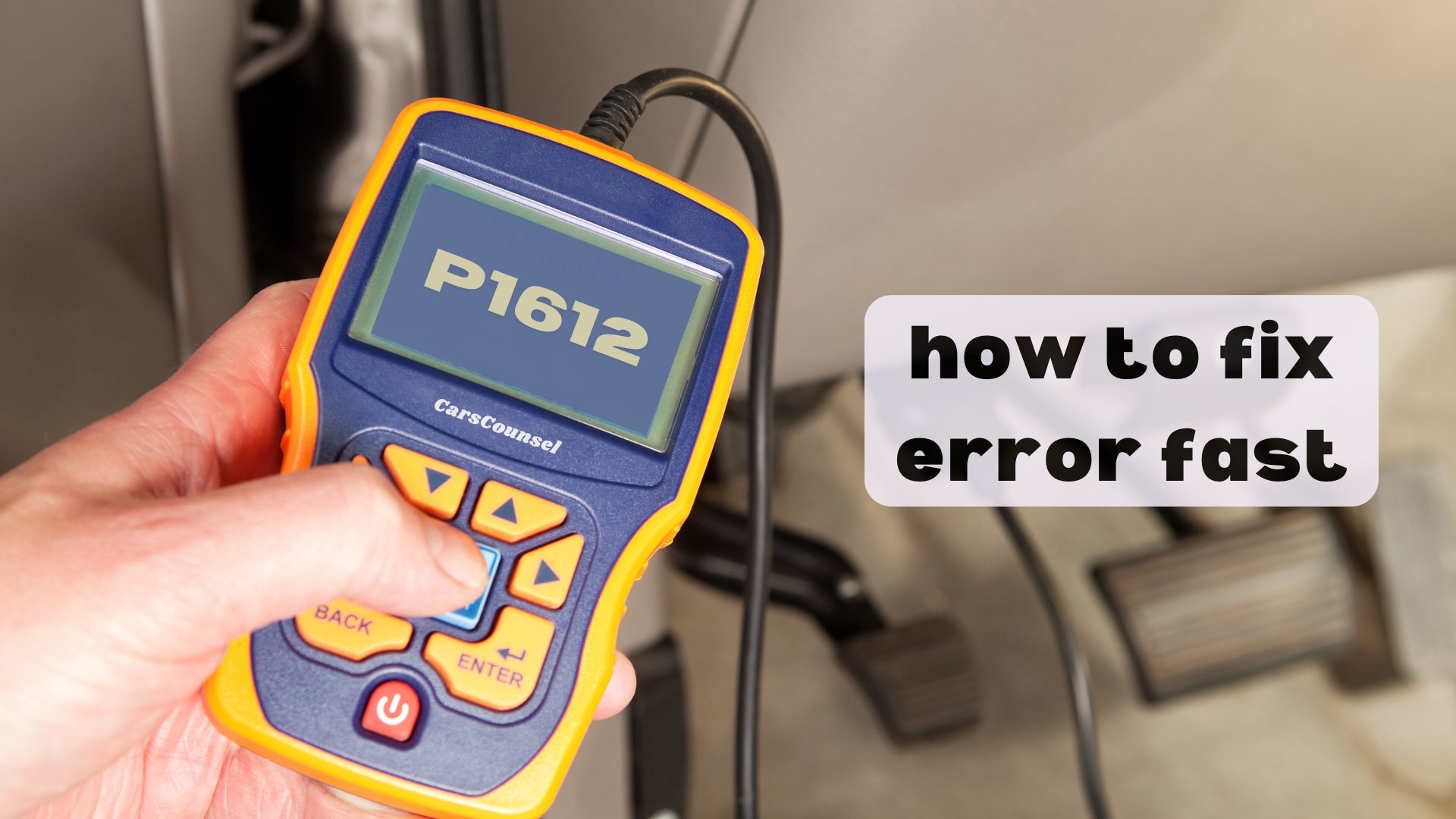
Quick Navigation
Key Takeaways
- P1612 is a manufacturer-specific code, meaning its definition changes depending on the vehicle make and model.
- On Nissan and Infiniti applications, it typically indicates a communication fault between the ECM and the immobilizer control module.
- On certain GM applications, it may point to an internal ECM fault or a serial data circuit issue.
- Diagnosis requires confirming the exact factory definition and following the manufacturer-specific diagnostic procedure.
P1612 Code Description and Implications
P1612 is a manufacturer-specific diagnostic trouble code. Because the second digit designates it as manufacturer-specific, there is no single universal definition for this code.
Certain Nissan and Infiniti applications: P1612 indicates a loss of communication between the Engine Control Module (ECM) and the Immobilizer Control Module (IMMU), often related to the Nissan Anti-Theft System (NATS).
Some GM applications: P1612 may indicate an internal ECM fault or a malfunction within the serial data communication circuit.
Because the monitored systems vary drastically, assuming P1612 is always an immobilizer issue will lead to incorrect diagnostics on non-Nissan vehicles.
Common Causes of the P1612 Code
- On Nissan/Infiniti applications: Damaged wiring between the ECM and IMMU, a faulty immobilizer control module, a failed ECM, or an unprogrammed transponder key issue.
- On GM applications: Internal ECM failure, damaged serial data wiring, or poor module grounds.
- General causes across applications include damaged wiring harnesses, corroded connectors, or poor grounds.
Symptoms Associated With P1612
- Illuminated Check Engine Light or security warning indicator.
- On Nissan/Infiniti applications: The engine may crank but fail to start, or start and immediately stall due to the immobilizer preventing fuel delivery.
- On GM applications: The vehicle may experience a no-start condition, erratic transmission shifting, or multiple communication-related codes.
Diagnosing the P1612 Trouble Code
Diagnosing P1612 requires first confirming the exact factory definition for your specific make, model, and engine.
Use a scan tool to retrieve the exact trouble code and its manufacturer-specific description. Do not rely on generic code readers, as they may display an incorrect or generalized definition.
Once the exact system is identified, follow the manufacturer-specific diagnostic procedure. For Nissan applications, check the communication lines between the ECM and IMMU, and verify key transponder programming.
Repairing the P1612 Issue
Repairs must follow confirmed electrical and module testing based on the exact vehicle application.
If the code relates to a Nissan immobilizer circuit and wiring damage is found, repair the harness. If the IMMU or ECM fails module communication tests, follow the manufacturer procedure for module replacement and key programming.
If the code points to a GM internal ECM fault, replace and program the ECM according to the manufacturer procedure.
Cost Considerations for P1612 Repairs
Cost depends on diagnostic time, component accessibility, required parts, programming requirements, and labor.
Replacing and programming an immobilizer control module or ECM requires specialized security access and key programming tools, which increases labor and parts costs.
Prevention Strategies for Future Occurrences
Inspecting exposed wiring harnesses near the ECM and immobilizer modules can help identify developing damage or chafing before it causes a communication fault.
Ensuring electrical connectors are fully seated and their environmental seals are intact may reduce moisture intrusion that leads to corrosion.
Troubleshooting Tips and Best Practices
Do not automatically replace the ECM or immobilizer module when a P1612 code appears. Communication codes can be caused by simple wiring faults, blown fuses, or bad grounds.
Always verify the exact definition using a manufacturer-specific scan tool or service information.
Check for technical service bulletins (TSBs) related to immobilizer wiring harness updates or ECM software recalibrations for your specific make and model.
More OBD-II Codes
| P1611 | P1609 | P1608 | P1606 |
| P1605 | P1604 | P1614 | P1626 |
| P1628 | P1629 | P1631 | P1632 |
| P1610 | P1600 | P1607 | U0141 |
| P0604 | P0605 | P0606 | P0607 |
| P1500 | P1504 | P0300 | P0700 |
Frequently Asked Questions
Is P1612 a generic or manufacturer-specific code?
No. P1612 is a manufacturer-specific code. Its exact definition depends entirely on the vehicle make, model, and engine configuration.
Can a bad key fob battery cause a P1612 code?
On some applications, a dead transponder can trigger immobilizer codes, but P1612 specifically monitors the communication circuit or internal module fault, not just a weak battery.
Will disconnecting the battery clear a P1612 code?
Disconnecting the battery may temporarily clear the code, but it does not repair the underlying communication fault or internal module failure. The code will return if the root cause remains.
Does P1612 mean my ECM is broken?
On certain GM applications, P1612 indicates an internal ECM fault. However, on Nissan applications, it points to the immobilizer communication circuit. Always verify the exact definition for your vehicle.
Is it safe to drive with a P1612 code?
Driving is not recommended. On many applications, an immobilizer or ECM communication fault will result in a no-start condition or cause the engine to stall immediately after starting.
What Should You Do About the P1612 Code?
Confirm the exact factory definition for your specific vehicle application. Because P1612 is manufacturer-specific, a thorough evaluation of the relevant system and components identified by your specific make and model is required.
Inspect the relevant wiring, connectors, and control modules for confirmed faults. Repair or replace the confirmed failed components, then retest the system to verify the repair.

