P1346 is a manufacturer-specific OBD-II diagnostic trouble code. Because it is manufacturer-specific, its exact definition depends entirely on the vehicle application, commonly relating to camshaft position sensors or variable valve timing systems.
The exact application must be verified before diagnosis. The code indicates the control module detected a timing correlation or sensor performance fault, but testing is required to identify the root cause.
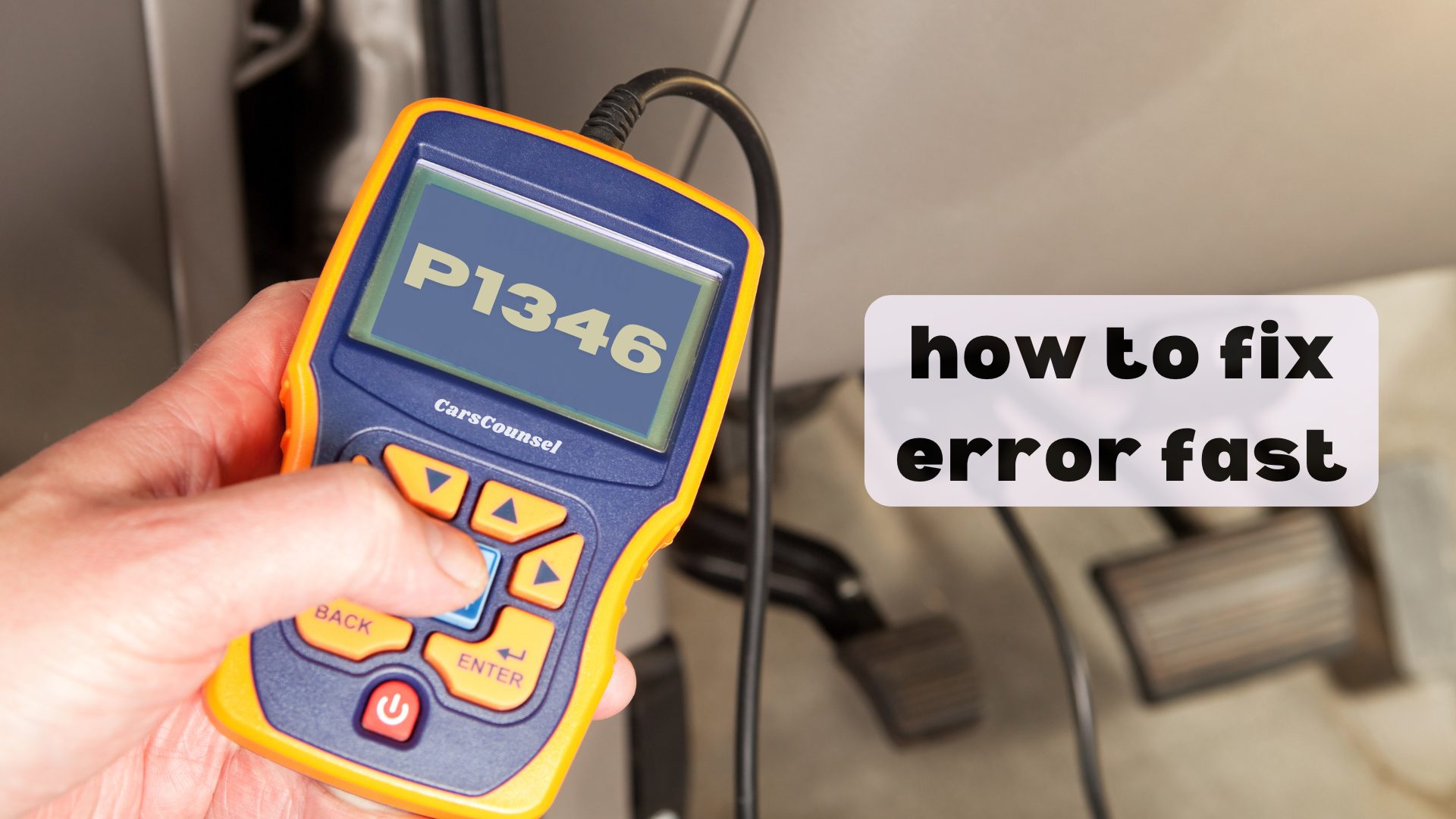
Quick Navigation
Key Takeaways
- P1346 is a manufacturer-specific code, meaning its exact definition varies by automaker and vehicle application.
- On Toyota and Lexus applications, it typically indicates a Variable Valve Timing (VVT) sensor range/performance problem on Bank 1.
- On Audi and Volkswagen applications, it often indicates a camshaft position sensor implausible signal on Bank 2.
- Diagnosis requires verifying the exact factory definition and testing the relevant sensor circuits or mechanical timing components.
P1346 Code Description and Implications
P1346 is a manufacturer-specific powertrain code. Because the second digit is “1”, the definition is controlled by the automaker rather than the SAE standardized list.
Some Toyota and Lexus applications: P1346 indicates a VVT sensor Bank 1 range/performance problem. The engine control module detects that the actual valve timing deviates from the target value.
Some Audi and Volkswagen applications: P1346 indicates a camshaft position sensor implausible signal on Bank 2. The control module detects a mismatch between the crankshaft and camshaft signals.
When the control module detects an unexpected signal, it sets this fault code. Because this is a manufacturer-specific code, the exact definition and diagnostic steps vary by automaker.
Common Causes of the P1346 Code
Possible causes depend entirely on the specific vehicle application.
For Toyota and Lexus VVT applications, a failing VVT sensor, damaged wiring, a sticking oil control valve, low engine oil, or a stretched timing chain can trigger the code.
For Audi and VW applications, a failing camshaft position sensor, damaged wiring, a stretched timing chain, or a damaged reluctor wheel can cause the implausible signal fault.
Symptoms Associated With P1346
The primary symptom is an illuminated Check Engine Light.
On Toyota and Lexus applications, drivers may experience rough idling, poor acceleration, decreased fuel efficiency, or engine misfires due to incorrect valve timing.
On Audi and VW applications, symptoms may include rough running, hesitation, or a no-start condition if the engine control module cannot determine the correct camshaft position.
Diagnosing the P1346 Trouble Code
Diagnosis must begin by confirming the exact factory definition for the specific make, model, and year.
For Toyota and Lexus applications, technicians inspect the engine oil level and condition, test the VVT sensor and oil control valve circuits, and check the timing chain for stretch.
For Audi and VW applications, technicians inspect the camshaft position sensor wiring, test the sensor signal, and verify the mechanical timing alignment.
Repairing the P1346 Issue
Repairs follow the confirmed diagnosis for the specific application.
If a VVT or camshaft position sensor fails electrical testing, replacing the confirmed failed sensor resolves the circuit fault. Repairing damaged wiring or cleaning the oil control valve may also be required.
If the timing chain is stretched beyond specifications, replacing the chain and related timing components is necessary to restore proper correlation.
Cost Considerations for P1346 Repairs
Repair costs vary depending on the underlying fault and the vehicle application.
Replacing a sensor or oil control valve involves standard parts and moderate labor. Replacing a stretched timing chain requires significant labor and parts.
Cost depends on diagnostic time, component accessibility, required parts, programming requirements, and labor.
Prevention Strategies for Future Occurrences
Performing regular oil changes using the manufacturer-recommended oil viscosity helps prevent sludge buildup that can bind VVT components and oil control valves.
Inspecting exposed wiring and keeping sensor connectors clean can help prevent moisture intrusion and corrosion that lead to circuit faults.
Troubleshooting Tips and Best Practices
Never assume a manufacturer-specific code has a universal meaning. Always verify the exact factory service information for your specific vehicle.
Do not replace a camshaft or VVT sensor without first verifying the wiring, connectors, and engine oil condition.
If P1346 is accompanied by other timing correlation codes, suspect a stretched timing chain or misaligned timing components rather than multiple simultaneous sensor failures.
More OBD-II Codes
| P1321 | P1322 | P1323 | P1324 |
| P1325 | P1344 | P1347 | P1348 |
| P1349 | P1350 | P1352 | P1353 |
| P1354 | P0011 | P0016 | P0335 |
| P0340 | P1320 | P0010 | P0012 |
| P0171 | P0174 | P0300 | P0420 |
Frequently Asked Questions
Is P1346 a generic OBD-II code?
No. P1346 is a manufacturer-specific code, meaning its exact definition and diagnostic procedure depend entirely on the vehicle’s make, model, and application.
Can I drive my vehicle with a P1346 code?
It depends on the application. If it indicates severe timing misalignment or causes engine misfires and stalling, driving the vehicle can cause engine damage and should be avoided.
Will a P1346 code cause my engine to misfire?
Yes. On applications where P1346 indicates a valve timing or camshaft correlation fault, the incorrect timing will cause the engine to misfire, run rough, and lose power.
Does P1346 always mean the timing chain is broken?
No. The code often points to a faulty sensor, damaged wiring, or a sticking oil control valve rather than a broken or stretched timing chain.
How do I clear a manufacturer-specific P1346 code?
Clearing the code requires fixing the underlying timing or electrical fault. Simply using a scan tool to erase the code will not repair the root cause.
What Should You Do About the P1346 Code?
Confirm the exact factory definition for your specific vehicle, then follow the applicable manufacturer diagnostic procedure for the relevant system and components.
Because P1346 is manufacturer-specific, testing the exact VVT sensors, camshaft position circuits, or timing components identified by the factory service information is required to find the root cause.
Once the fault is confirmed, perform the necessary repairs and verify the fix by clearing the codes and completing a test drive.

