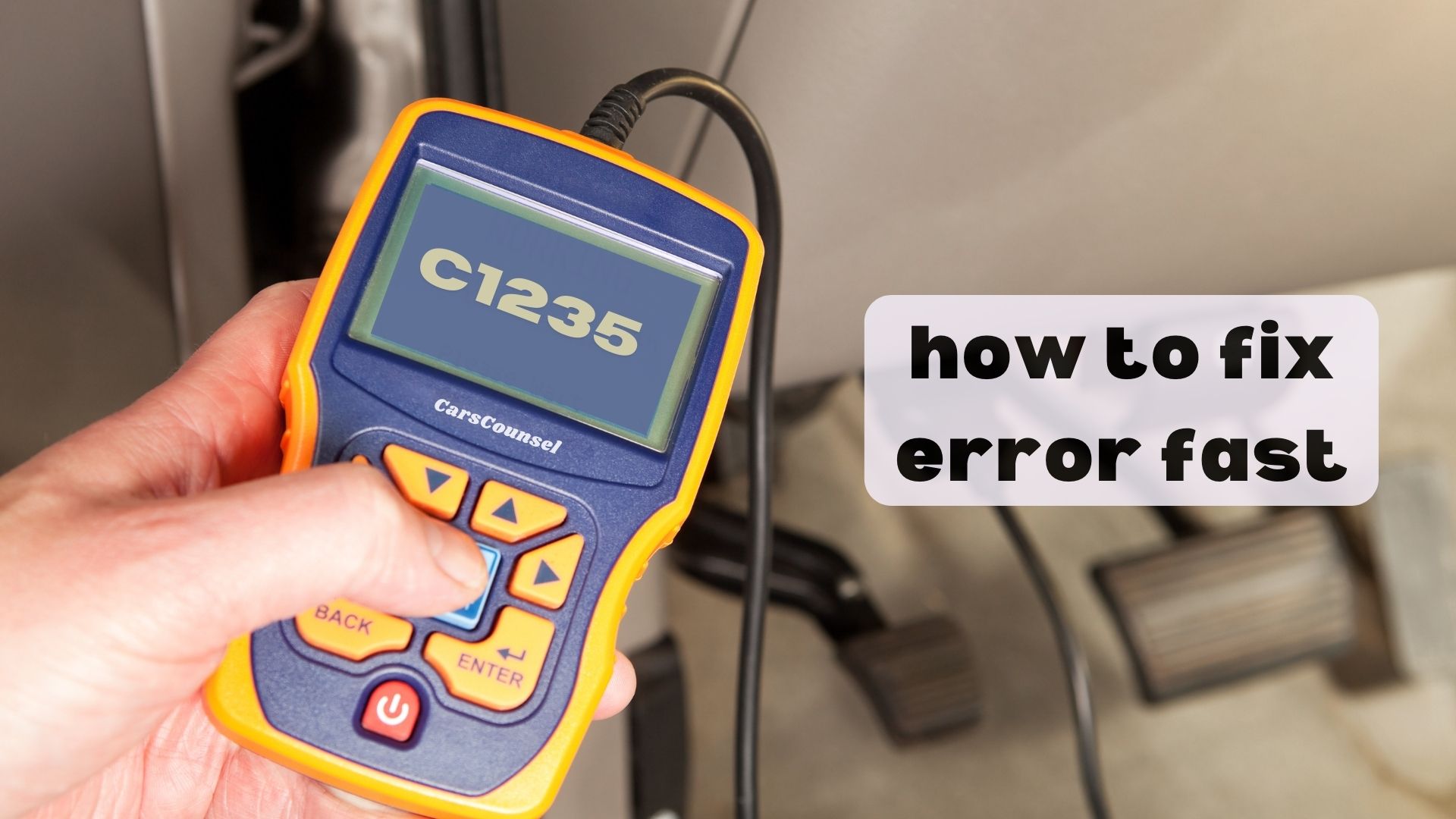
The C1235 diagnostic trouble code is a chassis code indicating a fault in the right rear wheel speed sensor circuit. While widely used across multiple manufacturers, the exact diagnostic procedure and component naming can vary by vehicle application.
Because this code targets a specific wheel circuit, the exact vehicle application must be verified before diagnosis. The code alone does not prove the sensor has failed without proper electrical and mechanical testing of the circuit and tone ring.
Quick Navigation
Key Takeaways
- C1235 indicates the ABS control module detected a missing, zero, or erratic signal from the right rear wheel speed sensor circuit.
- Possible causes include a failed wheel speed sensor, damaged wiring, poor connector contact, or a damaged reluctor ring on the wheel bearing.
- Symptoms typically include an illuminated ABS warning light and the disablement of traction and stability control systems.
- Diagnosis requires verifying the sensor signal with a scan tool and inspecting the physical sensor, wiring harness, and tone ring.
- Repairs depend on the confirmed root cause and may involve sensor replacement, wiring repair, or wheel bearing assembly replacement.
C1235 Code Description and Implications
The C1235 code indicates that the anti-lock braking system (ABS) control module has detected a fault in the right rear wheel speed sensor circuit. The module relies on this signal to monitor wheel rotation and modulate brake pressure.
Most GM, Ford, and Toyota applications: C1235 indicates that the right rear wheel speed sensor input signal is zero or erratic. The ABS module detects a complete loss of signal or an implausible reading compared to the other three wheels.
Common Causes of the C1235 Code
Because C1235 applies to the right rear wheel speed circuit, the root cause involves the sensor, its wiring, or the mechanical components generating the signal.
- Sensor and Wiring Causes: A failed right rear wheel speed sensor, an open or shorted sensor harness, or corrosion and pushed-out pins in the sensor electrical connector.
- Mechanical Causes: A damaged, cracked, or debris-covered reluctor ring (tone ring) on the wheel bearing hub assembly, or an excessive air gap between the sensor and the ring.
- Module Causes: An internal fault within the ABS control module preventing it from reading the sensor signal correctly.
Symptoms Associated With C1235
When the ABS module detects a wheel speed sensor fault, it disables the systems that rely on that data.
- Warning Lights: The ABS warning light will illuminate on the dashboard. Traction control and electronic stability control warning lights may also illuminate.
- System Disablement: The anti-lock braking, traction control, and stability control systems will be disabled. Standard hydraulic braking will remain functional.
- Speedometer Issues: On some vehicles where the ABS module supplies the vehicle speed signal to the instrument cluster, the speedometer may behave erratically or stop working.
Diagnosing the C1235 Trouble Code
Accurate diagnosis begins by verifying the exact vehicle application and reviewing manufacturer-specific service information.
- Use a scan tool capable of displaying live ABS data to monitor all four wheel speed sensors while driving at low speeds. Verify if the right rear sensor reads zero or drops out erratically.
- Visually inspect the right rear wheel speed sensor wiring harness for chafing, cuts, or broken wires near the wheel hub and suspension components.
- Inspect the sensor mounting and the reluctor ring for physical damage, excessive rust, or metallic debris that could disrupt the magnetic signal.
- Measure the sensor resistance and compare it to the manufacturer’s specification, checking for opens or shorts to ground.
Repairing the C1235 Issue
Repairs must follow the confirmed root cause identified during diagnosis.
- Wiring Repairs: If the wiring harness is damaged, repair or replace the affected circuit and ensure the connector seals are intact to prevent moisture intrusion.
- Sensor Replacement: If the wiring and tone ring are intact but the sensor fails electrical testing or produces no signal, replace the right rear wheel speed sensor.
- Bearing/Hub Replacement: If the reluctor ring is damaged, cracked, or missing teeth, replace the wheel bearing and hub assembly, as the ring is often integrated and non-serviceable.
Cost Considerations for C1235 Repairs
Cost depends on diagnostic time, component accessibility, required parts, programming requirements, and labor.
For a simple wheel speed sensor replacement, parts are moderately priced and labor time is minimal. However, if the wheel bearing and hub assembly must be replaced due to a damaged internal tone ring, parts costs and labor time increase significantly.
Prevention Strategies for Future Occurrences
While electronic sensor failures cannot always be predicted, you can reduce the risk of circuit and mechanical faults.
Inspect exposed wheel speed sensor wiring harnesses for signs of chafing against suspension components during routine brake or tire service. Keeping the wheel hub area free of excessive rust and metallic debris can help maintain a proper sensor signal.
Troubleshooting Tips and Best Practices
Follow these practices to avoid misdiagnosis and ensure accurate repairs.
- Do not assume the sensor is dead: A broken wire in the harness near the wheel hub is a frequent culprit due to constant suspension movement. Verify circuit continuity before replacing the sensor.
- Check for related codes: Look for other wheel speed sensor codes or ABS module voltage codes that might indicate a broader wiring harness issue or a shared ground fault.
- Verify your definition: When researching this trouble code, always confirm the exact diagnostic procedure for your specific vehicle make and model.
More OBD-II Codes
| C1211 | C1210 | C1205 | C1204 |
| C1203 | C1116 | C1095 | C1111 |
| C1102 | C1100 | C1109 | C1503 |
| C1237 | C1259 | C1260 | C1282 |
| C1283 | C1143 | C1604 | C1611 |
| C1612 | C1613 | C1616 | P0500 |
Frequently Asked Questions
Is C1235 a generic or manufacturer-specific code?
C1235 is a chassis code widely used across many manufacturers to indicate a right rear wheel speed sensor fault. However, the exact diagnostic steps and component specifications vary by vehicle make and model.
Can I drive my vehicle with a C1235 code?
Standard hydraulic brakes will continue to function, but the anti-lock braking, traction control, and stability control systems will be disabled. Driving requires caution, especially in wet or slippery conditions where these safety features are needed.
Will disconnecting the battery clear the C1235 code?
Disconnecting the battery might temporarily clear the code. However, it does not repair the underlying broken wire, failed sensor, or damaged tone ring, and the code will return once the ABS module runs its self-tests.
Can a bad wheel bearing cause a C1235 code?
Yes. On applications where the reluctor ring is integrated into the wheel bearing hub assembly, excessive bearing play or internal damage can alter the air gap or destroy the tone ring, causing a C1235 signal fault.
Does C1235 affect the transmission?
Generally, no. The C1235 code relates strictly to the ABS wheel speed sensor circuit. However, some vehicles use the ABS wheel speed signal for transmission shift scheduling, which could cause harsh shifts if the signal is lost.
What Should You Do About the C1235 Code?
When a C1235 code appears, confirm the exact factory diagnostic procedure for your specific vehicle make and model. Because wheel speed sensor circuits vary in design and resistance specifications, applying the wrong diagnostic path will lead to misdiagnosis.
Follow the applicable manufacturer diagnostic procedure to test the relevant system and components. Once the root cause is confirmed, complete the necessary electrical repairs, sensor replacements, or hub assembly services before returning the vehicle to normal service.

