The P1288 trouble code is a manufacturer-specific powertrain code. Its exact definition depends entirely on the vehicle application, primarily indicating a cylinder head temperature sensor fault or an intake manifold tuning valve issue.
Because it is manufacturer-specific, the exact application must be verified. The code identifies a detected condition, and testing is required to identify the root cause before replacing any components.
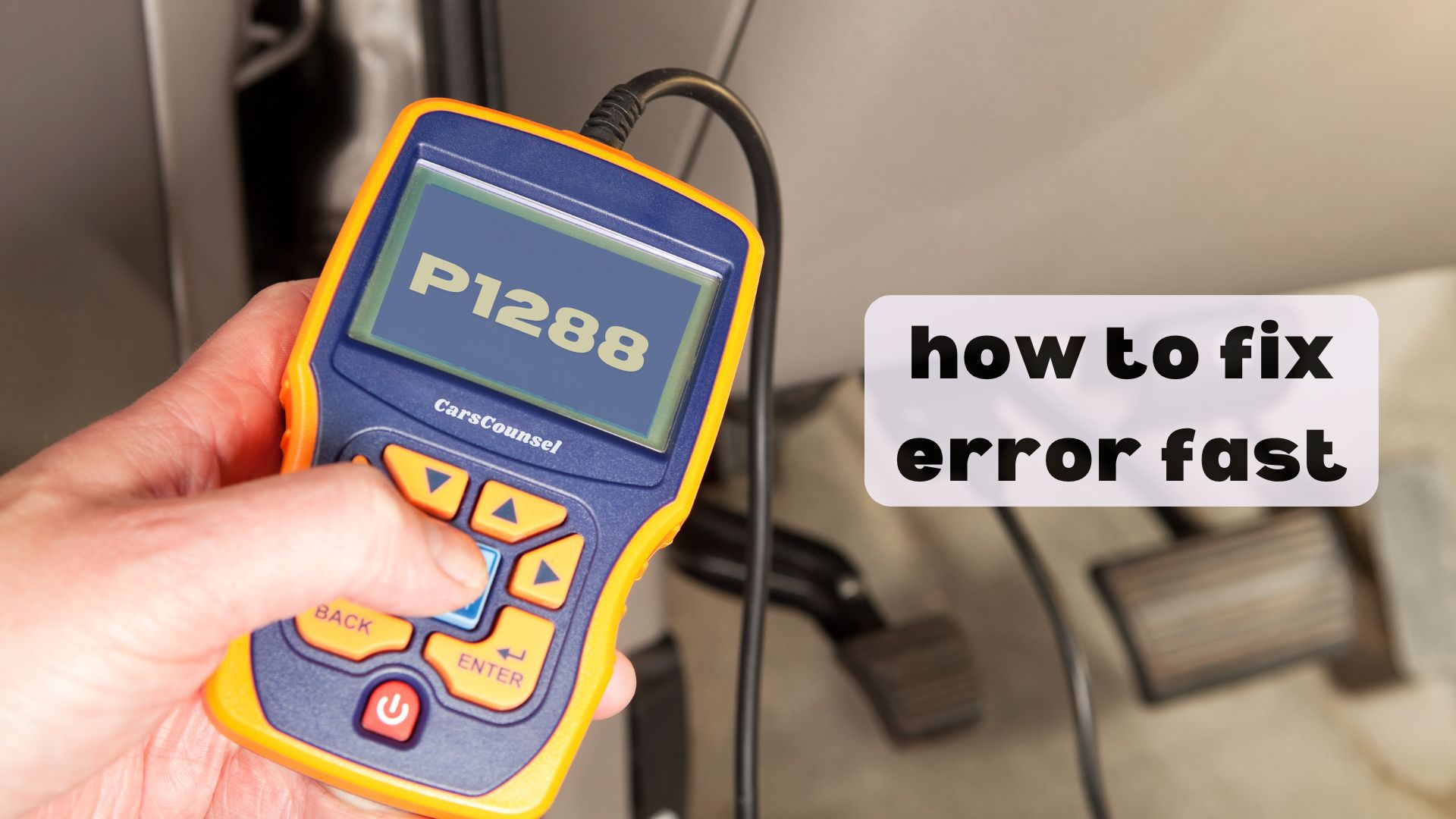
Quick Navigation
Key Takeaways
- P1288 is a manufacturer-specific code with definitions varying significantly between automakers.
- On Ford applications, it indicates the cylinder head temperature sensor is out of the self-test range.
- On Toyota applications, it points to an intake manifold tuning valve stuck or malfunctioning.
- On Chrysler, Dodge, and Jeep applications, it indicates a cylinder head temperature sensor circuit high condition.
- Proper diagnosis requires verifying the exact factory definition and testing the relevant sensor or valve circuits.
P1288 Code Description and Implications
The P1288 code is a manufacturer-specific powertrain definition. Because it is not a generic SAE code, its exact meaning depends entirely on the vehicle application.
Ford applications: P1288 indicates the cylinder head temperature sensor is out of the self-test range. The powertrain control module detects a sensor reading that falls outside the expected parameters during a self-test.
Toyota applications: P1288 indicates an intake manifold tuning valve is stuck or malfunctioning. The engine control module detects that the manifold runner control valve is not moving to the commanded position.
Chrysler, Dodge, and Jeep applications: P1288 indicates a cylinder head temperature sensor circuit high condition. The control module detects excessive voltage in the sensor signal circuit.
Common Causes of the P1288 Code
Electrical faults, physical binding, and component degradation are the primary triggers, though the specific causes vary by manufacturer.
For Ford applications: The issue stems from a failed cylinder head temperature sensor, damaged wiring harnesses, low coolant level, or a poor electrical connection at the sensor connector.
For Toyota applications: The fault is caused by a failed intake manifold tuning valve actuator, carbon buildup binding the valve, damaged vacuum lines, or a faulty control solenoid.
For Chrysler, Dodge, and Jeep applications: The issue is caused by a failed cylinder head temperature sensor, an open circuit in the signal wire, or a poor connection at the powertrain control module.
Symptoms Associated With P1288
When the control module detects a fault in these specific monitoring systems, it illuminates the Check Engine Light.
Ford, Chrysler, Dodge, and Jeep applications: You may experience engine overheating warnings, poor fuel efficiency, rough idling, or the cooling fans running continuously if the control module defaults to a fail-safe mode.
Toyota applications: You may experience a noticeable loss of power, poor acceleration, and decreased fuel efficiency due to the intake manifold failing to optimize airflow at different engine speeds.
Diagnosing the P1288 Trouble Code
Accurate diagnosis begins by confirming the exact factory definition for your specific vehicle make and model, as this is a manufacturer-specific error code.
Ford, Chrysler, Dodge, and Jeep diagnosis: Inspect the cylinder head temperature sensor wiring for damage. Use a multimeter to measure the sensor resistance and compare it to the manufacturer’s specification. Verify coolant levels.
Toyota diagnosis: Inspect the intake manifold tuning valve and actuator for carbon buildup or binding. Test the control solenoid and verify vacuum supply or electrical signals to the actuator motor.
Repairing the P1288 Issue
Repairs must address the specific root cause identified during testing.
Ford, Chrysler, Dodge, and Jeep repair: If the cylinder head temperature sensor fails resistance testing, replace the confirmed failed component. Repair any damaged wiring harnesses and ensure the cooling system is properly bled.
Toyota repair: If the intake manifold tuning valve is stuck due to carbon, clean the assembly. If the actuator or solenoid fails testing, replace the confirmed failed component.
Cost Considerations for P1288 Repairs
Cost depends on diagnostic time, component accessibility, required parts, programming requirements, and labor.
Replacing a cylinder head temperature sensor is generally a straightforward repair with moderate parts and labor costs. Cleaning or replacing an intake manifold tuning valve assembly may require significantly more labor.
Prevention Strategies for Future Occurrences
Maintaining proper coolant levels and using the correct coolant mixture can help prevent cylinder head temperature sensor faults caused by actual engine overheating or air pockets in the cooling system.
On applications using intake manifold tuning valves, following recommended maintenance intervals and using quality fuel may help reduce carbon buildup that can bind the valve mechanism.
Troubleshooting Tips and Best Practices
Do not immediately replace the engine control module just because a P1288 code is present. A failed sensor, a stuck valve, or a poor connection will produce the exact same fault reading.
Always verify the manufacturer-specific definition first. A code that means a temperature sensor fault on a Ford means an intake manifold valve issue on a Toyota.
Check for Technical Service Bulletins for your specific vehicle. Manufacturers occasionally release updated sensor part numbers or revised intake manifold cleaning procedures to address chronic issues.
More OBD-II Codes
| P1287 | P1286 | P1285 | P1284 |
| P1283 | P1282 | P1281 | P1280 |
| P1289 | P1290 | P1291 | P1292 |
| P1293 | P1294 | P1295 | P1296 |
| P1297 | P1298 | P1299 | P1198 |
| P1193 | P1192 | P1191 | P1479 |
Frequently Asked Questions
Is P1288 a generic or manufacturer-specific code?
No. P1288 is a manufacturer-specific powertrain code. It indicates a cylinder head temperature sensor fault on Ford and Chrysler, and an intake manifold tuning valve issue on Toyota.
Can I drive my car with a P1288 code?
Driving is not recommended if the code indicates an actual engine overheating condition or severe power loss. Continued driving with an overheating engine can cause severe internal mechanical damage.
Will disconnecting the battery clear the P1288 code?
Disconnecting the battery may temporarily erase the code, but it will not repair a failed sensor, a stuck valve, or damaged wiring. The code will return once the monitor runs.
Can low coolant cause a P1288 code?
Yes, on applications monitoring cylinder head temperature. Low coolant or air pockets in the cooling system can cause erratic sensor readings, triggering the out-of-range or circuit high fault condition.
Does P1288 always mean the sensor is bad?
No. The code identifies a detected circuit or performance condition. This is frequently caused by damaged wiring, low coolant, or a stuck valve. Components should only be replaced after testing confirms failure.
What Should You Do About the P1288 Code?
Confirm the exact factory definition for your vehicle, then follow the applicable manufacturer diagnostic procedure. Because P1288 is manufacturer-specific, the diagnostic path for a temperature sensor fault differs entirely from an intake manifold valve issue.
Inspect the relevant system and components, including temperature sensors, intake valves, and wiring circuits. Repair any confirmed wiring damage, or replace the relevant system components only after testing verifies the failure.

