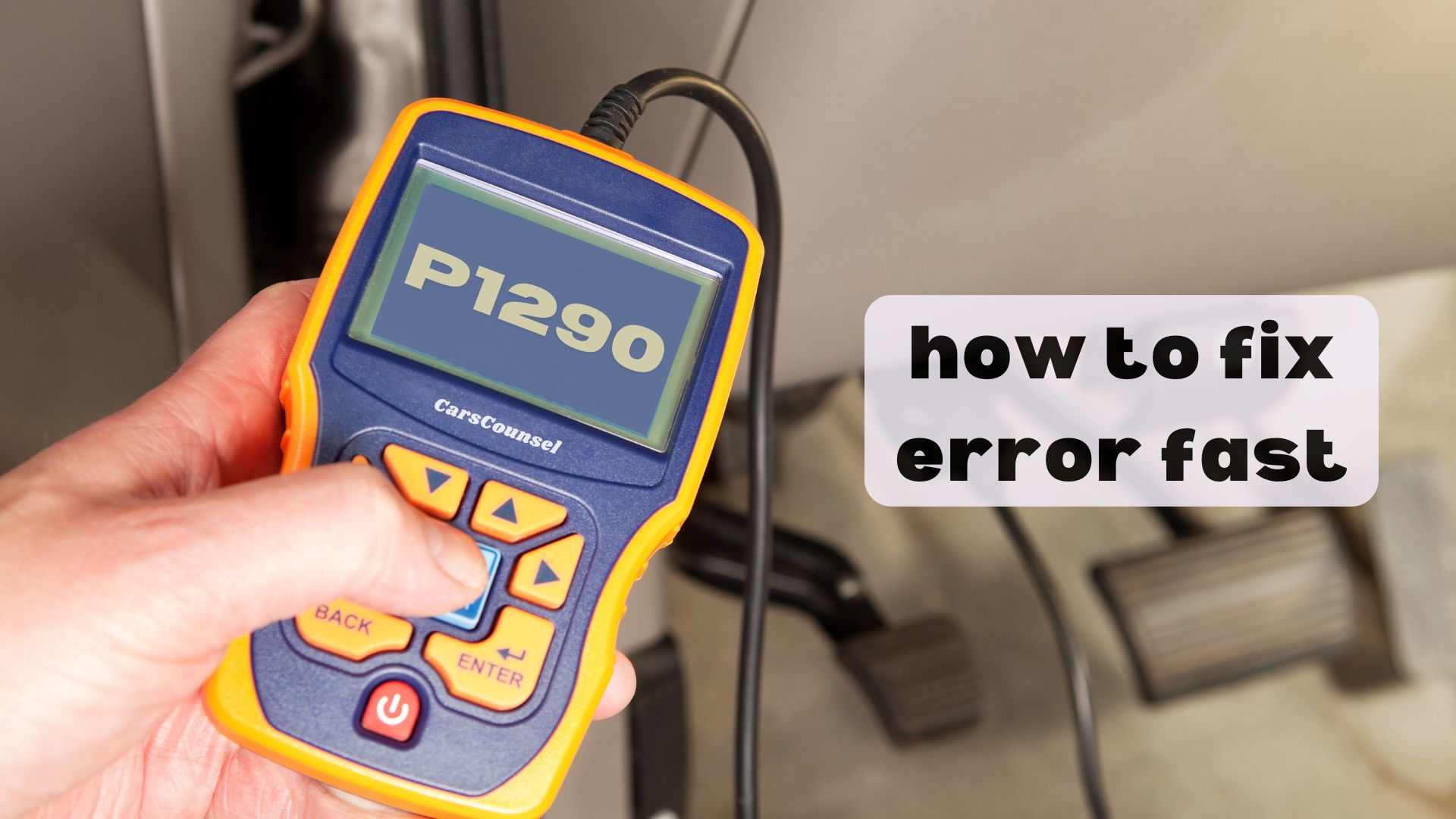
P1290 is a manufacturer-specific powertrain code found on Compressed Natural Gas (CNG) vehicle applications. It indicates that the control module detected a high input voltage or short-to-power condition in the CNG fuel pressure sensor circuit.
Because this code is specific to CNG systems, it does not apply to standard gasoline engines. The code identifies an electrical circuit fault, but it does not automatically prove that the fuel pressure sensor itself has failed.
Quick Navigation
Key Takeaways
- P1290 indicates a high voltage condition in the CNG fuel pressure sensor circuit on specific Compressed Natural Gas vehicle applications.
- Possible causes include damaged wiring, corroded connectors, a short to voltage in the harness, or a failed CNG fuel pressure sensor.
- Symptoms typically include an illuminated Check Engine Light, reduced engine power, or the vehicle defaulting to gasoline operation in bi-fuel models.
- Diagnosis requires verifying the exact factory definition, inspecting the CNG sensor wiring, and testing the sensor circuit with a multimeter.
- Repairs involve fixing the confirmed electrical fault, which may include wiring repairs or replacing the CNG fuel pressure sensor.
P1290 Code Description and Implications
P1290 is a manufacturer-specific diagnostic trouble code. Its definition is strongly tied to Compressed Natural Gas (CNG) and bi-fuel vehicle applications across several major brands.
Ford, Honda, Chrysler, and General Motors CNG applications: P1290 indicates a CNG Fuel Pressure Sensor Circuit High Input condition. The powertrain control module monitors the voltage signal from the CNG fuel pressure sensor.
When the module detects a voltage reading above the normal operating range, it sets this code. This typically indicates a short to voltage in the signal circuit or an open ground circuit.
The error code does not confirm that the CNG fuel pressure sensor is mechanically broken. It only confirms that the electrical signal from the sensor is outside the expected parameters.
Common Causes of the P1290 Code
Identifying the root cause requires inspecting the high-pressure CNG fuel system electrical circuits.
- A short to voltage in the CNG fuel pressure sensor signal wire, often caused by chafed insulation rubbing against the chassis or engine components.
- An open or high-resistance ground circuit for the CNG fuel pressure sensor.
- Corroded, loose, or damaged electrical connectors at the sensor or the powertrain control module.
- An internal electrical failure of the CNG fuel pressure sensor, causing it to output a maximum voltage signal.
Symptoms Associated With P1290
Because this code monitors the CNG fuel system, symptoms are specific to bi-fuel or dedicated CNG vehicles.
A common symptom is an illuminated Check Engine Light. On bi-fuel vehicles, the control module may disable the CNG system and force the engine to run exclusively on gasoline.
You may also experience reduced engine performance, hesitation, or a lack of power if the module cannot accurately determine the CNG fuel pressure for proper injection timing.
Diagnosing the P1290 Trouble Code
Diagnosis must begin by confirming the exact factory definition for your specific CNG vehicle application using manufacturer service information.
Visually inspect the wiring harness leading to the CNG fuel pressure sensor. Look for chafing, melted insulation, or physical damage from road debris.
Use a digital multimeter to check the sensor’s reference voltage, signal circuit, and ground. Compare the readings to the exact manufacturer specifications.
If the wiring and connectors test correctly, the CNG fuel pressure sensor itself may have an internal electrical fault and require replacement.
Repairing the P1290 Issue
If testing confirms damaged wiring or corroded connectors, repair or replace the affected harness sections and clean the connection points.
If the CNG fuel pressure sensor fails the electrical resistance or voltage output tests, replace the sensor with a component meeting the correct vehicle specification.
Due to the extreme pressures involved in CNG systems, only qualified technicians should perform mechanical repairs on the high-pressure fuel lines.
After completing the electrical repair, clear the diagnostic trouble codes and test the CNG system operation to verify the fix.
Cost Considerations for P1290 Repairs
Repair costs depend heavily on diagnostic time, component accessibility, and whether the vehicle requires specialized CNG system depressurization procedures.
Wiring repairs are generally less expensive but require precise diagnostic time to locate the short circuit.
Replacing a high-pressure CNG sensor involves higher parts costs and strict safety protocols for handling compressed gas.
Prevention Strategies for Future Occurrences
Inspect exposed CNG fuel system wiring harnesses for signs of heat damage, chafing, or rodent activity, particularly near the high-pressure fuel rails.
Ensure that all electrical connectors in the engine bay remain clean and properly sealed to prevent moisture intrusion and corrosion in the sensor circuits.
Troubleshooting Tips and Best Practices
Do not attempt to loosen or remove high-pressure CNG fuel lines or fittings to diagnose an electrical sensor code.
P1290 specifically targets the sensor circuit, not a mechanical fuel pressure issue or a low fuel level condition.
Always consult the exact manufacturer wiring diagram before probing circuits, as CNG systems operate at vastly different pressures compared to standard gasoline fuel rails.
Check for related CNG system codes that might indicate a broader issue with the high-pressure fuel storage or delivery system.
More OBD-II Codes
| P1289 | P1288 | P1287 | P1286 |
| P1285 | P1284 | P1291 | P1292 |
| P1293 | P1294 | P1295 | P1296 |
| P1299 | P1227 | P1206 | P1205 |
| P1389 | P1479 | P1480 | P1481 |
| P1482 | P1483 | P1484 | P1485 |
Frequently Asked Questions
Is P1290 a generic OBD-II code?
No. P1290 is a manufacturer-specific code. It is primarily associated with Compressed Natural Gas (CNG) fuel pressure sensor circuits on specific bi-fuel or dedicated CNG vehicle applications.
Can I drive with a P1290 code?
On bi-fuel vehicles, the system may safely default to gasoline operation. However, dedicated CNG vehicles may enter a limp mode. Prompt diagnosis is recommended to restore full functionality.
Will a standard fuel pump fix P1290?
No. P1290 indicates an electrical circuit high voltage fault in the CNG pressure sensor circuit. It does not indicate a mechanical failure of the standard gasoline fuel pump.
Does P1290 mean my CNG tank is empty?
No. This code specifically flags an electrical short to voltage or an open ground in the sensor circuit, rather than a low fuel level or low fuel pressure condition.
Can a bad battery cause P1290?
While low system voltage typically causes low input codes, severe charging system fluctuations can cause electronic sensors to behave erratically. Always verify the charging system health during diagnosis.
What Should You Do About the P1290 Code?
Confirm the exact factory definition for your vehicle, then follow the applicable manufacturer diagnostic procedure. Inspect the relevant system and components for electrical faults, and repair or replace the confirmed failed parts.

