The P1287 code is a manufacturer-specific powertrain code. Its exact definition depends entirely on the vehicle application, ranging from a VTEC solenoid fault to a turbocharger bypass valve issue.
This code identifies a detected electrical or mechanical condition, not necessarily a failed component. Proper diagnosis requires verifying the exact factory definition and testing the relevant circuits.
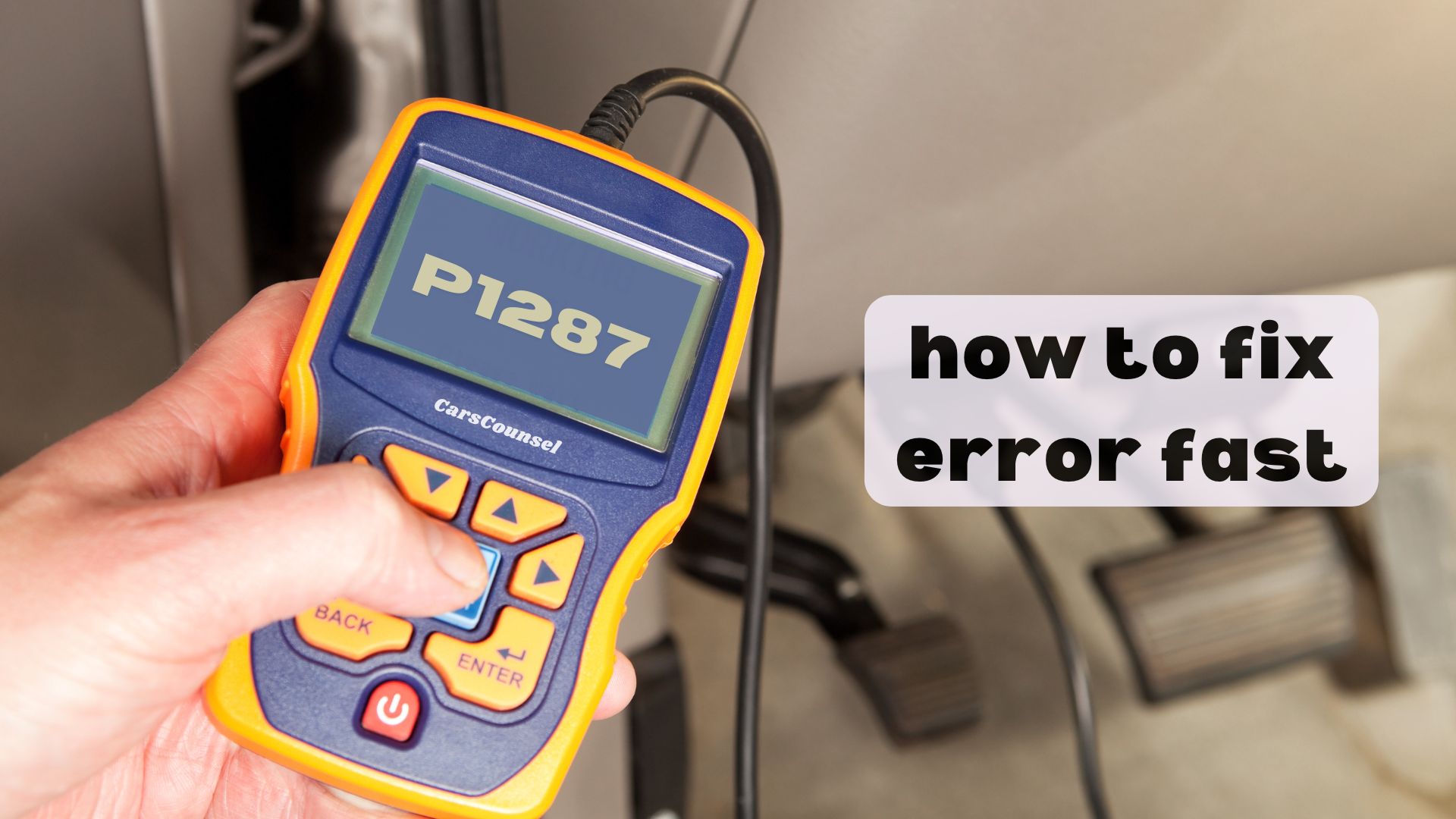
Quick Navigation
Key Takeaways
- The P1287 code is manufacturer-specific, indicating a VTEC solenoid fault on Honda, an APP sensor issue on GM, or a turbo bypass valve fault on certain diesels.
- Possible causes include a failed solenoid or sensor, damaged wiring, poor electrical connections, or mechanical valve issues.
- Symptoms vary by application and may include an illuminated Check Engine Light, reduced engine power, or loss of high-RPM performance.
- Diagnosis requires confirming the exact factory definition and testing the specific control circuits or mechanical components.
- Repairs depend on the confirmed fault and may involve wiring repair, sensor replacement, or solenoid replacement.
P1287 Code Description and Implications
P1287 is a manufacturer-specific trouble code. Its exact definition depends entirely on the vehicle application.
Some Honda and Acura applications: The code indicates a Rocker Arm Oil Control Solenoid (VTEC) circuit malfunction, where the ECM detects an electrical fault in the VTEC engagement system.
Certain General Motors (GM) applications: The code indicates an Accelerator Pedal Position (APP) Sensor 3 circuit low voltage condition, affecting throttle input monitoring.
Some Ford and Isuzu diesel applications: The code relates to a turbocharger bypass valve or wastegate control circuit fault, indicating the valve may be stuck open or electrically disconnected.
Common Causes of the P1287 Code
Several conditions can trigger this manufacturer-specific malfunction code. Identifying the exact cause requires electrical testing or mechanical inspection of the specific system.
- For Honda applications: A failed VTEC solenoid, low engine oil level, clogged oil passages, or damaged solenoid wiring.
- For GM applications: A failed APP sensor, damaged pedal assembly wiring, or poor connector contact at the ECM.
- For diesel applications: A stuck bypass valve, failed wastegate solenoid, vacuum leaks, or control circuit wiring issues.
Symptoms Associated With P1287
Symptoms vary depending on the specific system design and the underlying fault condition.
- Illuminated Check Engine Light.
- Honda applications: The VTEC system may not engage, resulting in reduced high-RPM power and sluggish acceleration.
- GM applications: The vehicle may enter a reduced engine power mode (limp mode) or exhibit an unresponsive throttle.
- Diesel applications: Loss of boost pressure, poor acceleration, or hesitation. In severe cases, unburned fuel could damage the catalytic converter.
Diagnosing the P1287 Trouble Code
Diagnosis must begin by confirming the exact factory definition and inspecting the physical system components.
- Verify the exact manufacturer definition and locate the wiring diagram for the specific control circuit.
- For Honda applications: Check engine oil level and condition. Test the VTEC solenoid resistance and inspect the control circuit for opens or shorts.
- For GM applications: Monitor APP sensor voltages with a scan tool while sweeping the pedal. Inspect the pedal assembly connector and wiring.
- For diesel applications: Inspect the bypass valve, vacuum lines, and control solenoid. Test the circuit for continuity and proper voltage.
Repairing the P1287 Issue
Repairs depend entirely on the confirmed root cause of the system malfunction.
- If wiring damage or an open circuit is found, repair or replace the affected harness sections and secure the routing.
- Clean or replace corroded connectors to restore proper electrical contact and circuit integrity.
- Replace confirmed failed components, such as the VTEC solenoid, APP sensor, or bypass valve, using a part meeting the correct vehicle specification.
- For Honda applications, ensure the engine oil is at the correct level and viscosity before or after solenoid replacement.
Cost Considerations for P1287 Repairs
Cost depends on diagnostic time, component accessibility, required parts, programming requirements, and labor.
Replacing a VTEC solenoid or APP sensor is generally less expensive than diagnosing and replacing a complete turbocharger bypass valve assembly or performing complex wiring repairs.
Prevention Strategies for Future Occurrences
While electrical failures are not always preventable, some maintenance practices can reduce the risk of system issues.
- Maintaining proper engine oil level and using the correct viscosity helps prevent VTEC solenoid issues and oil pressure faults on Honda applications.
- Inspecting exposed wiring and vacuum lines can help identify developing damage from heat exposure, chafing, or road debris.
Troubleshooting Tips and Best Practices
Always consult the exact manufacturer service information for your vehicle’s wiring diagrams and expected sensor values.
- Do not assume the component is faulty without testing the control circuit and verifying power and ground integrity first.
- For Honda applications, always verify the engine oil level and condition before condemning the VTEC solenoid, as low oil pressure prevents VTEC engagement.
- Verify technical service bulletins for your specific make and model, as manufacturers occasionally issue updated solenoid part numbers or revised diagnostic procedures.
More OBD-II Codes
| P1281 | P1282 | P1283 | P1284 |
| P1285 | P1286 | P1288 | P1289 |
| P1290 | P1291 | P1292 | P1293 |
| P1294 | P1295 | P1296 | P1297 |
| P1298 | P1299 | P1300 | P1305 |
| P0121 | P0122 | P0123 | P0220 |
Frequently Asked Questions
Is the P1287 code generic or manufacturer-specific?
No. P1287 is a manufacturer-specific code. Its exact definition varies by vehicle make, indicating a VTEC solenoid, APP sensor, or turbo bypass valve fault.
Can I drive my car with a P1287 code?
It depends on the application. On GM vehicles, a faulty APP sensor may trigger reduced engine power mode, making the vehicle unsafe or difficult to drive.
Will low engine oil cause a P1287 code on a Honda?
Yes. The VTEC system relies on engine oil pressure. Low oil level or degraded oil can prevent the system from engaging and may trigger a related circuit or performance code.
Can a wiring issue trigger the P1287 code?
Yes. An open circuit, short to ground, or high resistance in the VTEC solenoid, APP sensor, or turbo bypass valve control wire will cause a circuit fault.
Will a P1287 code cause an emissions test failure?
Yes. Any code that illuminates the Check Engine Light will cause an automatic failure during an OBD-II emissions inspection.
What Should You Do About the P1287 Code?
Confirm the exact factory definition for your specific vehicle application. Follow the applicable manufacturer diagnostic procedure to test the relevant control circuits, sensors, or mechanical components.
Repair or replace the confirmed failed component or fix the identified wiring fault, then retest the system to ensure proper operation.

