P1292 is a manufacturer-specific powertrain diagnostic trouble code, meaning its exact definition depends entirely on the vehicle application. It can indicate a compressed natural gas sensor fault, an engine coolant thermostat circuit issue, or a fuel injector electrical problem.
Because this code is manufacturer-specific, you must verify the exact factory definition for your vehicle before beginning diagnosis. The code identifies a detected electrical or signal condition and does not automatically prove that a specific component has failed.
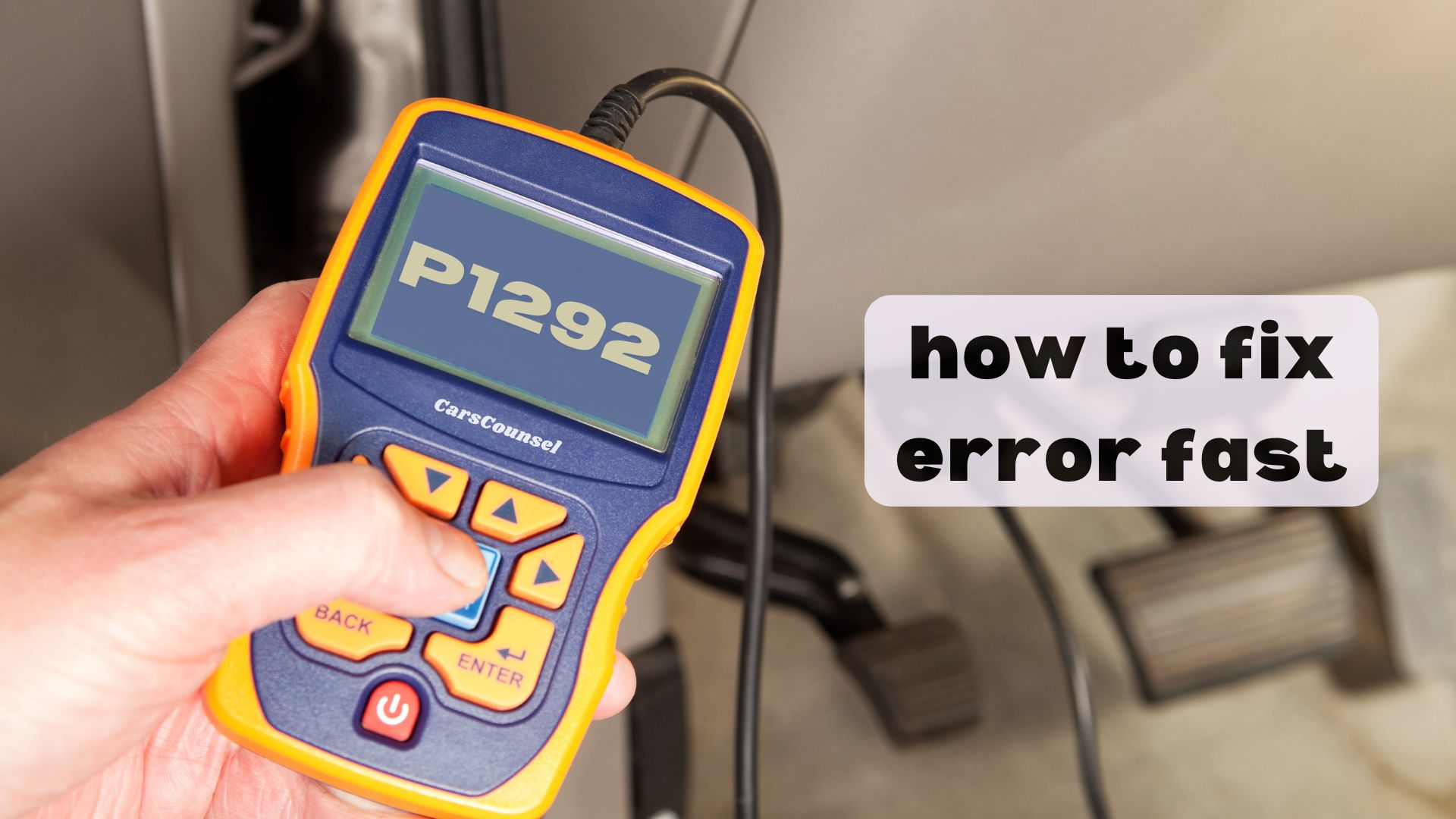
Quick Navigation
Key Takeaways
- P1292 is a manufacturer-specific code with different definitions depending on the vehicle make and fuel system.
- On certain CNG-equipped vehicles, it indicates the CNG pressure sensor signal or voltage is too high.
- On specific VW and Audi applications, it points to an open circuit in the engine coolant thermostat heater.
- On some Ford diesel applications, it indicates an injector high-side circuit short to ground or battery voltage on Bank 2.
- Diagnosis requires verifying the exact factory definition and testing the relevant circuits or sensors using manufacturer service information.
P1292 Code Description and Implications
P1292 is a manufacturer-specific powertrain code, meaning its exact definition depends entirely on the vehicle application.
Certain Chrysler, Dodge, Jeep, and GM CNG applications: The code typically indicates that the Compressed Natural Gas (CNG) pressure sensor voltage or signal is too high. This means the control module detected a sensor reading above the acceptable maximum threshold.
Certain VW and Audi applications: P1292 often indicates an open circuit in the MAP-controlled engine coolant thermostat or its internal heater element.
Certain Ford and Powerstroke diesel applications: The code may point to an Injector High Side Short to Ground or Battery Voltage on Bank 2.
Because the code identifies a monitored system condition, it does not automatically prove that the sensor, thermostat, or injector has failed. You must verify the exact factory definition before attempting repairs. It is vital to address this trouble code promptly.
Common Causes of the P1292 Code
The underlying cause depends on which system the code monitors on your specific vehicle.
For CNG pressure sensor applications:
- A failing CNG pressure sensor sending an artificially high voltage signal.
- A short to voltage in the sensor signal circuit.
- Poor electrical connections or corrosion at the sensor harness.
For engine coolant thermostat applications:
- A failed internal heating element inside the thermostat housing.
- An open circuit or broken wire in the thermostat control harness.
- Corroded connectors at the thermostat or engine control module.
For fuel injector applications:
- Damaged or chafed wiring in the Bank 2 injector harness.
- A shorted injector solenoid or faulty injector driver circuit.
Symptoms Associated With P1292
Symptoms vary based on the monitored system and the severity of the fault.
CNG applications: You may experience reduced engine performance, rough idling, or the vehicle entering a limp mode. The check engine light will typically illuminate.
Thermostat applications: The engine may take longer to reach operating temperature, potentially affecting cabin heater performance and fuel efficiency.
Injector applications: You may notice severe engine misfires, rough running, or a significant loss of power on Bank 2.
MIL behavior varies by application. Some vehicles illuminate the warning light immediately upon detecting the fault, while others may require multiple drive cycles.
Diagnosing the P1292 Trouble Code
Diagnosis must begin by confirming the exact factory definition for your make, model, year, and engine.
Retrieve the code and any accompanying codes using a scan tool.
For CNG applications, use a scan tool capable of live data to monitor the CNG pressure sensor readings. Inspect the sensor wiring for shorts to voltage.
For thermostat applications, measure the resistance of the thermostat heater element and compare it to the manufacturer’s specification. Check the control circuit for continuity.
For injector applications, inspect the Bank 2 injector harness for chafing or damage. Perform electrical tests on the injector circuits to locate the exact short.
Never replace components based solely on the presence of the code. Confirm the exact circuit or mechanical failure before proceeding.
Repairing the P1292 Issue
Repairs must follow confirmed electrical or mechanical diagnosis.
If testing confirms a faulty CNG pressure sensor or a short in its wiring, repair the harness or replace the sensor with a component meeting the correct vehicle specification.
If the thermostat heater element fails the resistance test, replace the thermostat assembly and clear the codes.
For injector applications, repair any damaged wiring or replace the confirmed faulty injector on Bank 2.
If all wiring and components test correctly, the manufacturer diagnostic procedure may direct further testing of the control module. Follow the applicable module service procedure only after strict confirmation.
Cost Considerations for P1292 Repairs
Exact repair costs depend heavily on the root cause, component accessibility, and your vehicle’s specific application.
Replacing a CNG pressure sensor or an engine coolant thermostat involves different part costs and labor times.
Injector circuit repairs may require extensive harness inspection or component replacement, which increases diagnostic and labor time.
Cost depends on diagnostic time, component accessibility, required parts, programming requirements, and labor.
Prevention Strategies for Future Occurrences
Electrical circuit faults are often difficult to predict, but some practices can help identify developing issues.
Inspecting exposed engine wiring can help identify developing damage from heat, vibration, or chafing before it causes an open or shorted circuit.
Keeping connector seals intact and ensuring harness clips are properly secured may reduce moisture intrusion and corrosion.
For CNG vehicles, adhering to strict fuel system inspection intervals helps ensure sensors and high-pressure lines remain in safe operating condition.
Troubleshooting Tips and Best Practices
Always consult the exact manufacturer service information for your vehicle before testing circuits or replacing components.
Do not assume a generic fuel system or cooling system issue is the cause of P1292 without verifying the specific definition for your make and model.
When testing high-pressure CNG systems, exercise extreme caution and follow all safety protocols, as these systems operate at very high pressures.
If your vehicle is subject to an applicable technical service bulletin or software update regarding sensor calibration, verify its applicability before replacing hardware.
More OBD-II Codes
| P1291 | P1290 | P1289 | P1288 |
| P1287 | P1286 | P1293 | P1294 |
| P1295 | P1296 | P1297 | P1298 |
| P0201 | P0202 | P0203 | P0204 |
| P0300 | P0301 | P0302 | P0303 |
| P1226 | P1209 | P1210 | P1204 |
Frequently Asked Questions
Is the P1292 code generic or manufacturer-specific?
No. P1292 is a manufacturer-specific code. Its exact definition depends on the vehicle make, commonly indicating a CNG sensor fault, a thermostat circuit issue, or an injector short.
Can a P1292 code cause my engine to overheat?
On applications where P1292 indicates an engine coolant thermostat heater fault, the thermostat may not open correctly, potentially affecting engine temperature regulation and cabin heating.
Is it safe to drive a CNG vehicle with a P1292 code?
If the code indicates a high CNG pressure sensor signal, the vehicle may enter a reduced-power mode. Driving with a compromised high-pressure fuel system requires caution and prompt diagnosis.
Can I clear the P1292 code by disconnecting the battery?
Disconnecting the battery may temporarily erase the code, but it does not repair the underlying electrical fault. The code will return once the monitor runs, and it may erase useful readiness data.
Will P1292 cause my vehicle to misfire?
On applications where P1292 indicates a Bank 2 injector circuit short, the affected cylinders may not fire correctly, leading to severe engine misfires and rough running.
What Should You Do About the P1292 Code?
Confirm the exact factory definition for your specific vehicle application, then follow the applicable manufacturer diagnostic procedure.
Because P1292 is manufacturer-specific, it may point to a CNG pressure sensor issue, an engine coolant thermostat fault, or a fuel injector circuit short. Do not assume a universal repair path.
Inspect the relevant system and components, perform targeted electrical tests, and confirm the root cause before replacing any parts.

