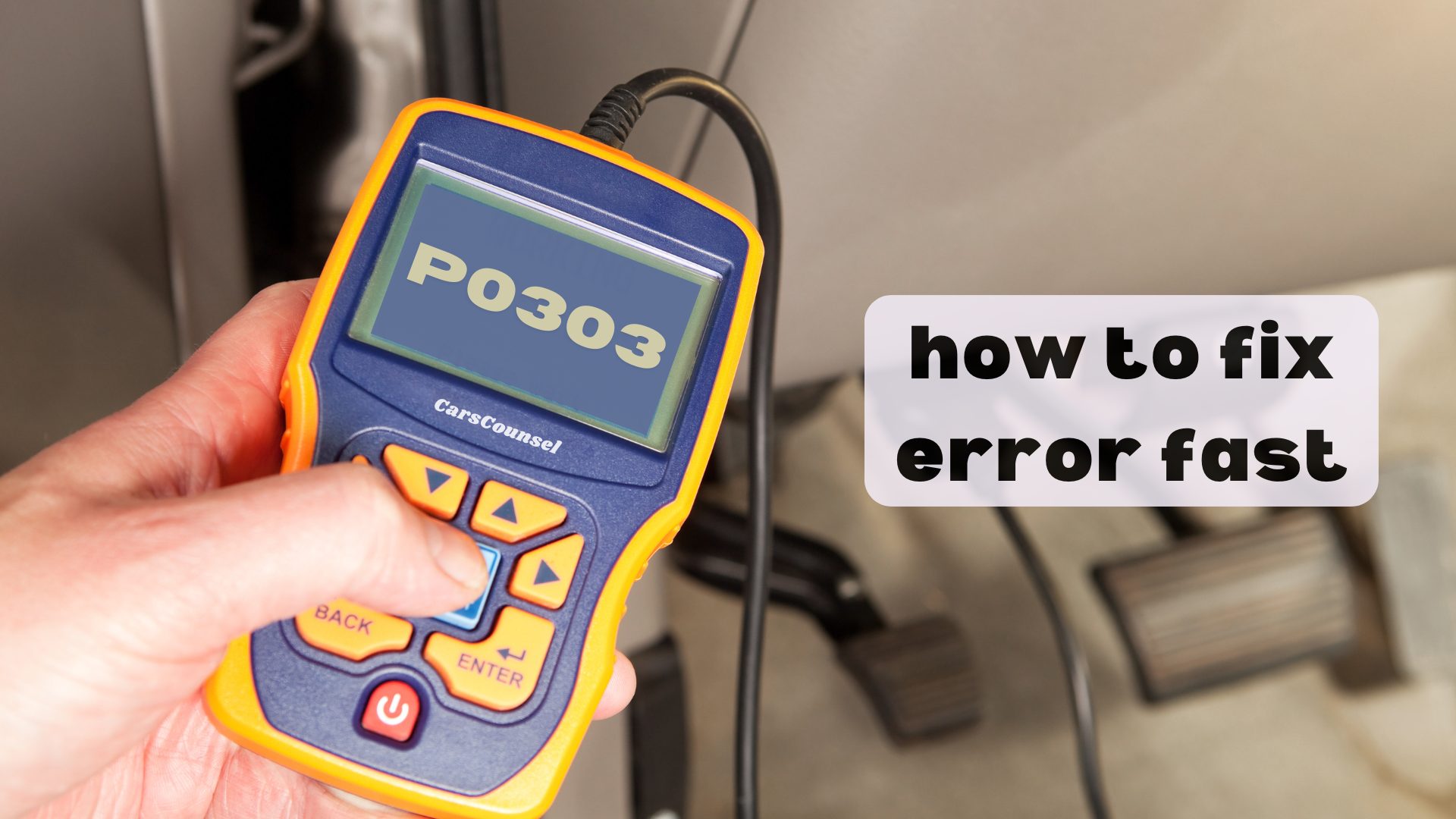
The P0303 code is a generic OBD-II powertrain code indicating that the powertrain control module has detected a misfire specifically in cylinder number three. This condition disrupts the engine’s normal combustion cycle.
Because a misfire can stem from ignition, fuel, or mechanical issues, the code alone does not prove a single component has failed. Proper diagnosis is required to identify the root cause.
Quick Navigation
Key Takeaways
- P0303 indicates the control module detected uneven crankshaft acceleration originating from cylinder number three.
- Ignition system faults, such as worn spark plugs or failing coils, are potential causes but must be verified through testing.
- Fuel delivery issues or internal mechanical engine problems can also prevent proper combustion in the affected cylinder.
- Continued driving with an active misfire can overheat and permanently damage the catalytic converter.
P0303 Code Description and Implications
The P0303 code stands for Cylinder 3 Misfire Detected. The powertrain control module continuously monitors crankshaft rotation speed using the crankshaft position sensor to identify cylinders that are not contributing adequate power.
When the module detects a deceleration in the crankshaft corresponding to the firing interval of cylinder three, it registers a misfire event. If the misfire exceeds the emissions or catalyst-damage threshold, the code is stored.
Cylinder numbering varies significantly by manufacturer. Cylinder three is not universally located in the same physical position across all engine layouts. Always verify the specific firing order and cylinder layout for your exact engine.
A flashing Check Engine Light indicates a severe, active misfire that is currently dumping raw fuel into the exhaust system, which requires immediate attention to prevent catalyst damage.
Common Causes of the P0303 Code
Ignition system faults can prevent the air-fuel mixture from igniting. Worn spark plugs, cracked ignition coils, or damaged spark plug boots on cylinder three are potential causes.
Fuel delivery issues can starve the cylinder of fuel. A clogged, electrically failed, or leaking fuel injector for cylinder three can disrupt the necessary air-fuel ratio for combustion.
Internal mechanical engine problems can reduce cylinder pressure. Worn piston rings, leaking valves, or a blown head gasket localized to cylinder three will prevent proper compression and combustion.
Intake vacuum leaks near the runner for cylinder three can introduce unmetered air, leaning out the mixture to the point where it fails to ignite reliably.
Symptoms Associated With P0303
The most immediate symptom is the illumination of the Check Engine Light. If the misfire is severe and actively threatening the catalytic converter, the light will flash.
Drivers may experience a rough idle, noticeable engine vibration, or hesitation during acceleration. The vehicle may also exhibit reduced fuel economy and increased exhaust emissions.
In severe mechanical cases, you might hear unusual engine noises or experience a significant loss of overall engine power.
Diagnosing the P0303 Trouble Code
Diagnosis begins by retrieving the code and checking for any accompanying codes, such as fuel trim or sensor circuit faults, which could point to a systemic issue rather than a single-cylinder problem.
Inspect the ignition components for cylinder three. If the vehicle uses individual coil-on-plug ignition, a standard diagnostic step is swapping the coil and spark plug from cylinder three to a different cylinder.
If the misfire code follows the swapped components to the new cylinder, the ignition part is confirmed faulty. If the code remains on cylinder three, the ignition components are likely not the cause.
Next, verify fuel injector operation using a scan tool to command the injector or by listening for its click. Finally, perform a mechanical compression test on cylinder three to rule out internal engine damage.
Repairing the P0303 Issue
If swapping components confirms a failed ignition coil or worn spark plug, replacing the faulty component with one meeting the exact vehicle specification is the required repair.
If the fuel injector for cylinder three is confirmed clogged or electrically failed, replacing the injector and verifying the fuel rail is free of debris is necessary.
If a compression test reveals low pressure in cylinder three, internal engine repairs, such as valve or piston ring service, must be performed according to manufacturer procedures.
After any repair, clear the codes and perform a test drive to verify the misfire monitor completes successfully without the code returning.
Cost Considerations for P0303 Repairs
Repair costs depend entirely on the confirmed root cause and the accessibility of the components on your specific engine layout.
Replacing a single spark plug or ignition coil is generally on the lower end of the cost spectrum.
Fuel injector replacement costs vary based on whether the intake manifold must be removed to access the fuel rail.
Internal mechanical repairs involving cylinder head removal or engine disassembly require significant labor and are substantially more involved.
Prevention Strategies for Future Occurrences
Replacing spark plugs at the manufacturer’s specified intervals prevents ignition-related misfires caused by excessive electrode wear or gap erosion.
Using high-quality fuel and occasionally using approved fuel system cleaners can help prevent carbon buildup from restricting fuel injector spray patterns.
Addressing minor engine oil leaks promptly prevents oil from fouling the spark plug wells, which can degrade the ignition coil boots and cause misfires.
Troubleshooting Tips and Best Practices
Never replace all ignition components or fuel injectors without first performing a swap test or electrical verification to isolate the fault specifically to cylinder three.
Check for technical service bulletins related to your specific engine. Some applications have known issues with valve spring failures or specific coil pack part numbers that require updated components.
Ensure the engine ground straps are clean and tight, as poor grounding can cause erratic coil operation that mimics a component failure. Review other OBD2 Codes if multiple cylinders are misfiring simultaneously.
If the misfire only occurs under heavy load or high RPM, focus diagnostic efforts on fuel delivery volume or secondary ignition breakdown rather than idle-related vacuum leaks.
More OBD-II Codes
| P0302 | P0304 | P0171 | P0440 |
| P0301 | P0305 | P0174 | P0442 |
| P0300 | P0306 | P0420 | P0455 |
| P0299 | P0313 | P0430 | P0456 |
| P0268 | P0320 | P0135 | P0335 |
| P0223 | P0321 | P0340 | P0172 |
Frequently Asked Questions
Can I drive my car with a P0303 code?
Driving with a steady Check Engine Light is not recommended, but a flashing light indicates a severe misfire that is actively destroying the catalytic converter. Stop driving and seek immediate diagnosis.
Will new spark plugs fix a P0303 code?
New spark plugs will only resolve the code if worn electrodes were the confirmed root cause. If the misfire stems from a bad coil, clogged injector, or internal engine damage, plugs alone will not fix it.
Can a vacuum leak cause a P0303 code?
Yes. An intake manifold leak localized near the runner for cylinder three can lean out the air-fuel mixture enough to cause a misfire, though systemic vacuum leaks usually affect multiple cylinders.
Is cylinder 3 always on the same side of the engine?
No. Cylinder numbering and bank layout vary significantly by manufacturer and engine design. Always consult the specific service manual or firing order diagram for your exact vehicle.
Can bad gas cause a P0303 code?
Contaminated or severely degraded fuel can cause misfires, but it typically affects all cylinders rather than isolating a fault to cylinder three alone. Systemic fuel issues usually trigger random misfire codes.
What Should You Do About the P0303 Code?
Confirm the exact factory definition and cylinder layout for your vehicle, then follow the applicable manufacturer diagnostic procedure. Perform a component swap test to isolate the fault to the ignition, fuel, or mechanical system.
Address the confirmed root cause promptly to restore proper combustion and prevent unburned fuel from damaging the catalytic converter.

