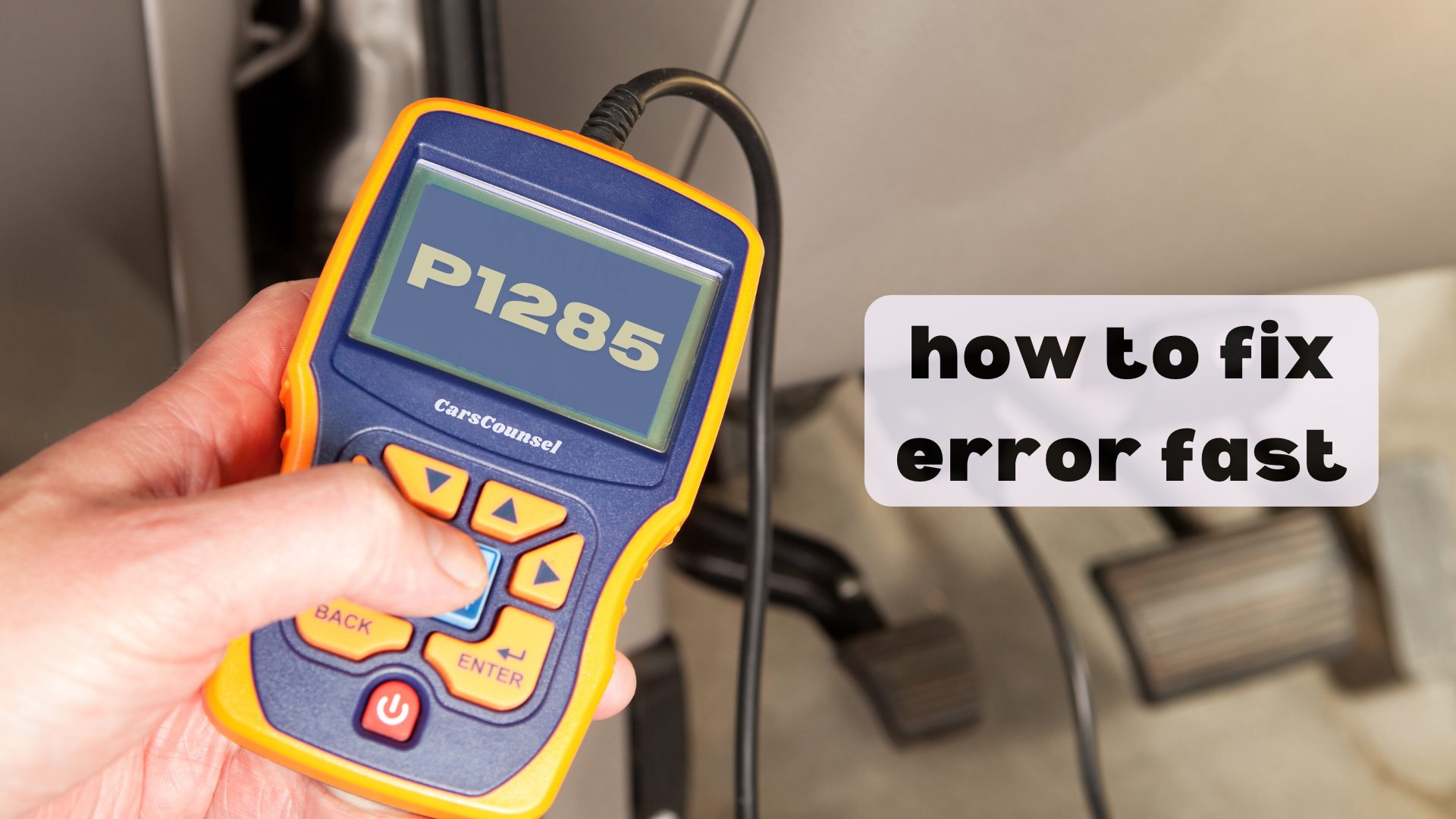
P1285 is a manufacturer-specific OBD-II diagnostic trouble code. Because it is manufacturer-specific, its exact definition depends on the vehicle application, most commonly indicating a cylinder head overtemperature condition.
The exact application must be verified before diagnosis. The code indicates the control module detected excessive engine heat, but testing is required to identify the root cause of the overheating.
Quick Navigation
Key Takeaways
- P1285 is a manufacturer-specific code, meaning its exact definition varies by automaker and vehicle application.
- On Ford, Nissan, and Chrysler applications, it indicates that the cylinder head temperature has exceeded the maximum allowable threshold.
- Possible causes include low coolant levels, cooling system leaks, a failing thermostat, or a faulty cylinder head temperature sensor.
- Diagnosis requires verifying the exact factory definition and inspecting the cooling system and relevant temperature sensors.
P1285 Code Description and Implications
P1285 is a manufacturer-specific powertrain code. Because the second digit is “1”, the definition is controlled by the automaker rather than the SAE standardized list.
Some Ford, Nissan, and Chrysler applications: P1285 indicates a cylinder head overtemperature condition. The control module detects that the engine’s cylinder head temperature has exceeded a critical threshold.
When the control module detects this overtemperature condition, it sets this fault code and may trigger a fail-safe or limp mode to protect the engine. Because this is a manufacturer-specific code, the exact definition and diagnostic steps vary by automaker.
Common Causes of the P1285 Code
Possible causes depend entirely on the specific vehicle application and the actual cooling system status.
Low coolant level, cooling system leaks, or a failing water pump can prevent adequate heat transfer from the cylinder head.
A stuck-closed thermostat, a clogged radiator, or a malfunctioning cooling fan can also cause the engine to overheat.
In some cases, the engine is not actually overheating, but a faulty cylinder head temperature sensor or damaged wiring is sending an inaccurate high-temperature signal to the control module.
Symptoms Associated With P1285
The primary symptom is an illuminated check engine light, and often a specific engine overtemperature warning light or message on the dashboard.
The vehicle may enter a fail-safe or limp mode, severely limiting engine power and RPM to prevent catastrophic mechanical damage.
If the engine is genuinely overheating, drivers may notice steam from the engine bay, a hot smell, or the temperature gauge reading in the red zone.
Diagnosing the P1285 Trouble Code
Diagnosis must begin by confirming the exact factory definition for the specific make, model, and year.
Technicians first verify if the engine is actually overheating by checking the coolant level, inspecting for leaks, and testing the cooling fan and thermostat operation.
If the cooling system is functioning correctly and the engine temperature is normal, the cylinder head temperature sensor and its wiring harness are tested for shorts, opens, or erratic resistance.
Live data is monitored to compare the cylinder head temperature sensor reading with the standard coolant temperature sensor reading.
Repairing the P1285 Issue
Repairs follow the confirmed diagnosis for the specific application.
If the cooling system is low on coolant or has a leak, repairing the leak and bleeding the system resolves the physical overheating condition.
If the thermostat is stuck closed or the cooling fan motor has failed, replacing the confirmed failed component restores proper temperature regulation.
If the cylinder head temperature sensor is sending a false signal, replacing the sensor and repairing any damaged wiring resolves the electrical fault.
Cost Considerations for P1285 Repairs
Repair costs vary widely depending on the underlying fault and the vehicle application.
Topping off coolant or replacing a simple sensor involves minimal parts and labor costs.
If the repair requires replacing a water pump, a radiator, or machining a warped cylinder head due to severe overheating, labor and parts costs increase significantly.
Cost depends on diagnostic time, component accessibility, required parts, programming requirements, and labor.
Prevention Strategies for Future Occurrences
Maintaining the cooling system according to the manufacturer’s schedule helps prevent physical overheating conditions.
Inspecting coolant levels, checking hoses for deterioration, and ensuring the cooling system is flushed at recommended intervals can prevent blockages and failures.
Troubleshooting Tips and Best Practices
Never assume a manufacturer-specific code has a universal meaning. Always verify the exact factory service information for your specific vehicle.
Do not ignore an overtemperature code. Continuing to drive a genuinely overheating engine can cause severe mechanical damage, including a warped cylinder head or blown head gasket.
If the engine is not physically hot but the code is present, suspect a sensor or wiring issue rather than a mechanical cooling system failure.
More OBD-II Codes
| P1278 | P1280 | P1281 | P1282 |
| P1283 | P1284 | P1286 | P1287 |
| P1288 | P1289 | P1290 | P1291 |
| P1295 | P1296 | P1297 | P1298 |
| P1259 | P1260 | P1261 | P1262 |
| P1263 | P1264 | P1265 | P1266 |
Frequently Asked Questions
Is P1285 a generic OBD-II code?
No. P1285 is a manufacturer-specific code, meaning its exact definition and diagnostic procedure depend entirely on the vehicle’s make, model, and application.
Can I drive my vehicle with a P1285 code?
No. If the engine is genuinely overheating, driving the vehicle can cause severe mechanical damage like a warped cylinder head and should be avoided immediately.
Will a P1285 code cause limp mode?
Yes. On applications where P1285 indicates a cylinder head overtemperature condition, the control module often triggers a fail-safe or limp mode to limit engine power and prevent damage.
Does P1285 always mean the engine is physically overheating?
No. The code can sometimes be triggered by a faulty cylinder head temperature sensor or damaged wiring sending a false high-temperature signal to the control module.
How do I clear a manufacturer-specific P1285 code?
Clearing the code requires fixing the underlying cooling system or electrical fault. Simply using a scan tool to erase the code will not repair the root cause.
What Should You Do About the P1285 Code?
Confirm the exact factory definition for your specific vehicle, then follow the applicable manufacturer diagnostic procedure for the relevant system and components.
Because P1285 is manufacturer-specific, testing the exact cooling system components or temperature sensors identified by the factory service information is required to find the root cause.
Once the fault is confirmed, perform the necessary repairs and verify the fix by clearing the codes and completing a test drive.

