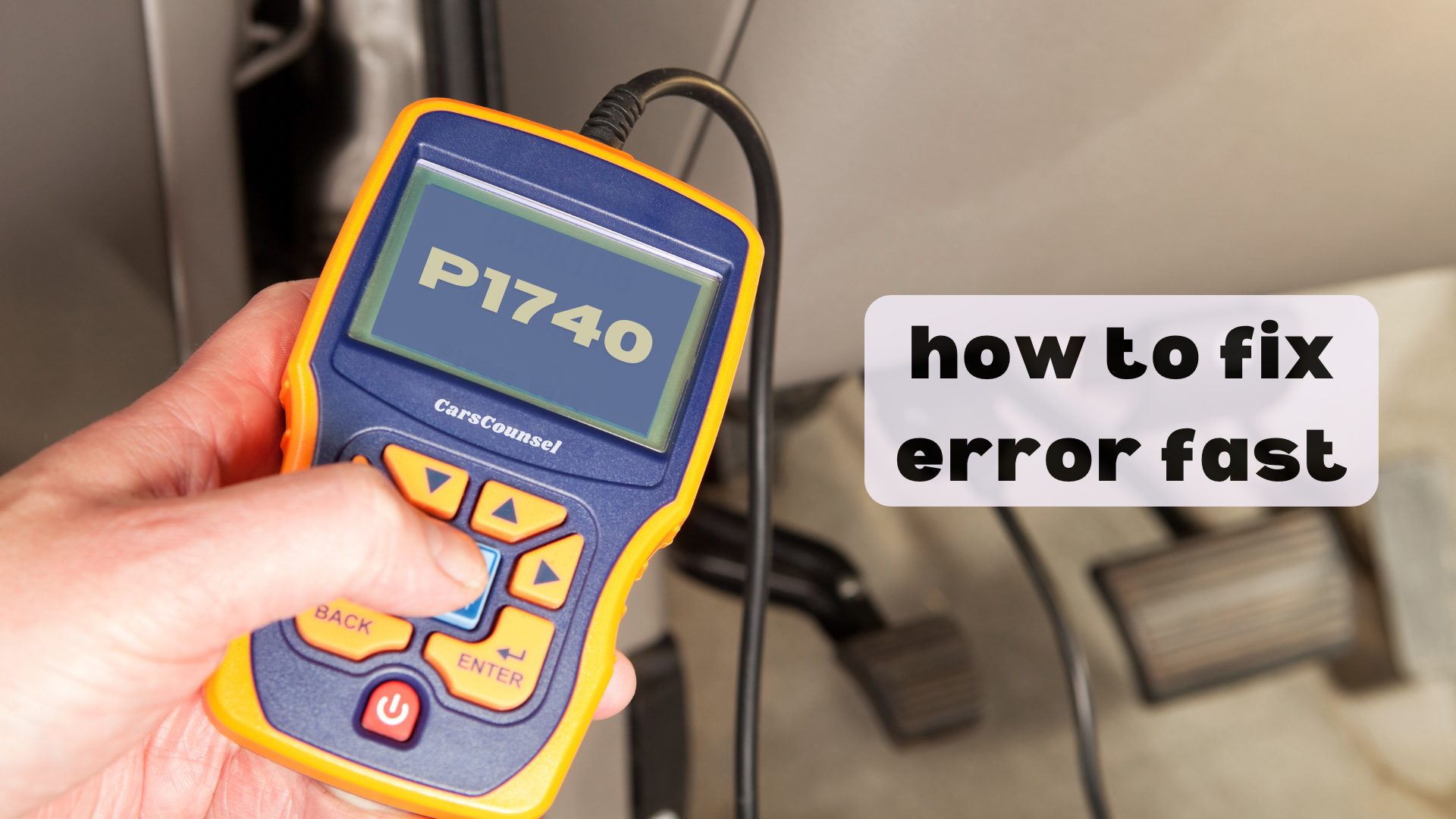
P1740 is a manufacturer-specific OBD-II diagnostic trouble code. Its exact definition depends on the vehicle application, but it typically indicates a fault in the transmission’s torque converter clutch or clutch pressure switch circuits.
This code identifies a detected condition rather than confirming a single failed component. The underlying cause requires targeted electrical and hydraulic diagnosis based on the exact factory definition.
Quick Navigation
Key Takeaways
- P1740 is a manufacturer-specific code indicating a fault in transmission control circuits, such as TCC solenoid performance on Chrysler applications or a clutch pressure switch on Honda vehicles.
- Possible causes include a failed solenoid or pressure switch, damaged wiring, low or degraded transmission fluid, or internal mechanical issues.
- Diagnosis requires verifying the exact factory definition, checking fluid levels, and testing the relevant transmission circuits and components.
- Repairs depend on the confirmed root cause and may involve fluid service, wiring repair, or component replacement.
P1740 Code Description and Implications
P1740 is a manufacturer-specific code, meaning its exact definition and diagnostic procedures depend on the vehicle application.
Chrysler, Dodge, Jeep, and Ram applications: P1740 typically indicates a torque converter clutch (TCC) or overdrive solenoid performance issue. The powertrain control module detects that the clutch element is stuck off or the solenoid is not responding correctly.
Honda and Acura applications: P1740 often refers to a clutch pressure switch circuit fault or a lock-up clutch switch issue, indicating the module sees an unexpected state in the hydraulic clutch control circuit.
Because it is manufacturer-specific, generic diagnostic paths cannot account for the unique transmission architectures used by different automakers. When diagnosing trouble codes related to transmissions, verifying the exact factory definition is the most critical first step.
Common Causes of the P1740 Code
The underlying causes for a P1740 code vary by application but generally involve the transmission fluid, solenoids, switches, or wiring.
Low or Degraded Transmission Fluid: Insufficient fluid level or severely degraded fluid can prevent hydraulic pressure from building correctly, causing solenoid performance or pressure switch faults.
Failed Solenoid or Pressure Switch: The internal TCC solenoid or clutch pressure switch may fail electrically or become mechanically stuck.
Wiring and Connector Issues: Damaged wiring, chafed insulation, or corroded connectors in the transmission harness can interrupt the control or signal circuits.
Internal Mechanical Issues: Worn clutch packs, stuck valves in the valve body, or internal hydraulic leaks can prevent the torque converter clutch from engaging properly.
Symptoms Associated With P1740
The prominent symptom is the illumination of the Check Engine Light and potentially a specific transmission warning indicator.
Depending on the manufacturer’s fail-safe strategies, the vehicle may enter a limp mode, restricting gear selection to prevent further damage.
Drivers may notice delayed or harsh shifting, an inability to engage overdrive, or the torque converter clutch failing to lock up, which reduces fuel efficiency.
In some applications, the engine may stall when coming to a stop if the torque converter clutch remains stuck in the engaged position.
Diagnosing the P1740 Trouble Code
Diagnosis must begin by confirming the exact factory service information for the vehicle’s specific make and transmission model.
Start by checking the transmission fluid level and condition, as low or burnt fluid is a primary cause of hydraulic performance codes.
Use a scan tool capable of displaying live transmission data to monitor solenoid commands, slip speeds, and pressure switch states during a test drive.
Visually inspect the external transmission wiring harness and connectors for physical damage, heat exposure, or corrosion.
Use a digital multimeter to test the resistance and continuity of the relevant solenoids or pressure switches according to the manufacturer’s specifications.
Repairing the P1740 Issue
Repairs must follow confirmed diagnosis. Never replace internal transmission components solely based on the presence of the code.
If the fluid is low, top it off and inspect for external leaks. If the fluid is burnt or contaminated, a fluid and filter service may be required.
If external wiring damage or connector corrosion is found, repair the harness and secure the connections before re-evaluating the system.
If electrical testing confirms a specific solenoid or pressure switch has failed, replace the faulty component. On some transmissions, this requires removing the transmission pan.
If internal mechanical failure is confirmed, follow the manufacturer’s procedure for valve body service or transmission overhaul.
Cost Considerations for P1740 Repairs
Repair costs vary considerably depending on the confirmed root cause and the specific vehicle application.
A simple transmission fluid and filter service involves standard maintenance costs.
Replacing an externally mounted pressure switch or repairing wiring involves minimal parts and standard labor.
Replacing internal solenoids requires dropping the transmission pan or removing the transmission, increasing labor costs significantly.
Cost depends on diagnostic time, component accessibility, required parts, programming requirements, and labor.
Prevention Strategies for Future Occurrences
Preventing transmission control codes requires adherence to the manufacturer’s scheduled maintenance intervals.
Changing the transmission fluid and filter at the recommended mileage helps prevent varnish and debris from clogging solenoid screens or sticking valve body components.
Avoiding severe overheating by ensuring the transmission cooler is functioning properly helps preserve fluid integrity and solenoid lifespan.
Troubleshooting Tips and Best Practices
Always check for Technical Service Bulletins related to P1740 for your specific vehicle application.
Manufacturers may release updated solenoid packs, revised valve body separator plates, or software updates to address known engagement issues.
Do not assume the entire transmission requires replacement simply because a performance code is present.
A simple wiring fault, a clogged fluid filter, or a failed external pressure switch is a much more probable cause than a complete mechanical failure.
If the vehicle exhibits severe slipping, verify the fluid level immediately, as operating with low fluid can cause rapid and catastrophic internal damage.
More OBD-II Codes
| P1739 | P1738 | P1727 | P1720 |
| P1718 | P1717 | P1745 | P1747 |
| P1753 | P1758 | P1762 | P1768 |
| P0740 | P0741 | P0745 | P0746 |
| P0747 | P0748 | P0750 | P0751 |
| P0753 | P0755 | P0756 | P0757 |
Frequently Asked Questions
Is the P1740 code generic or manufacturer-specific?
No. P1740 is a manufacturer-specific code. Its exact definition depends on the vehicle application, commonly relating to TCC solenoid performance on Chrysler vehicles or clutch pressure switches on Honda vehicles.
Can low transmission fluid cause a P1740 code?
Yes. Low or severely degraded transmission fluid can prevent hydraulic pressure from building correctly. This causes the control module to detect improper solenoid performance or unexpected pressure switch states, triggering the code.
Will disconnecting the battery clear the P1740 code?
Disconnecting the battery may temporarily clear the code, but it does not repair the underlying hydraulic or electrical fault. It also erases valuable freeze frame data and resets transmission adaptive memory, complicating diagnosis.
Can I drive my vehicle with a P1740 code?
Driving is not recommended. A malfunctioning torque converter clutch or transmission solenoid can cause harsh shifting, slipping, or engine stalling. Continued driving may cause severe internal transmission damage due to overheating or friction.
Does P1740 always mean the transmission must be replaced?
No. This code often points to a wiring fault, a clogged filter, low fluid, or a single failed solenoid or switch. Complete transmission replacement is only required if internal mechanical damage is confirmed through diagnosis.
What Should You Do About the P1740 Code?
Confirm the exact factory definition and diagnostic procedure for your specific vehicle application before attempting repairs.
Do not assume the transmission requires replacement based solely on the presence of the diagnostic trouble code.
Inspect the fluid level and condition, external wiring, and relevant solenoid or switch circuits to rule out simple maintenance and electrical faults.
Follow the applicable manufacturer diagnostic workflow to isolate the relevant system and components before authorizing internal transmission repairs.

