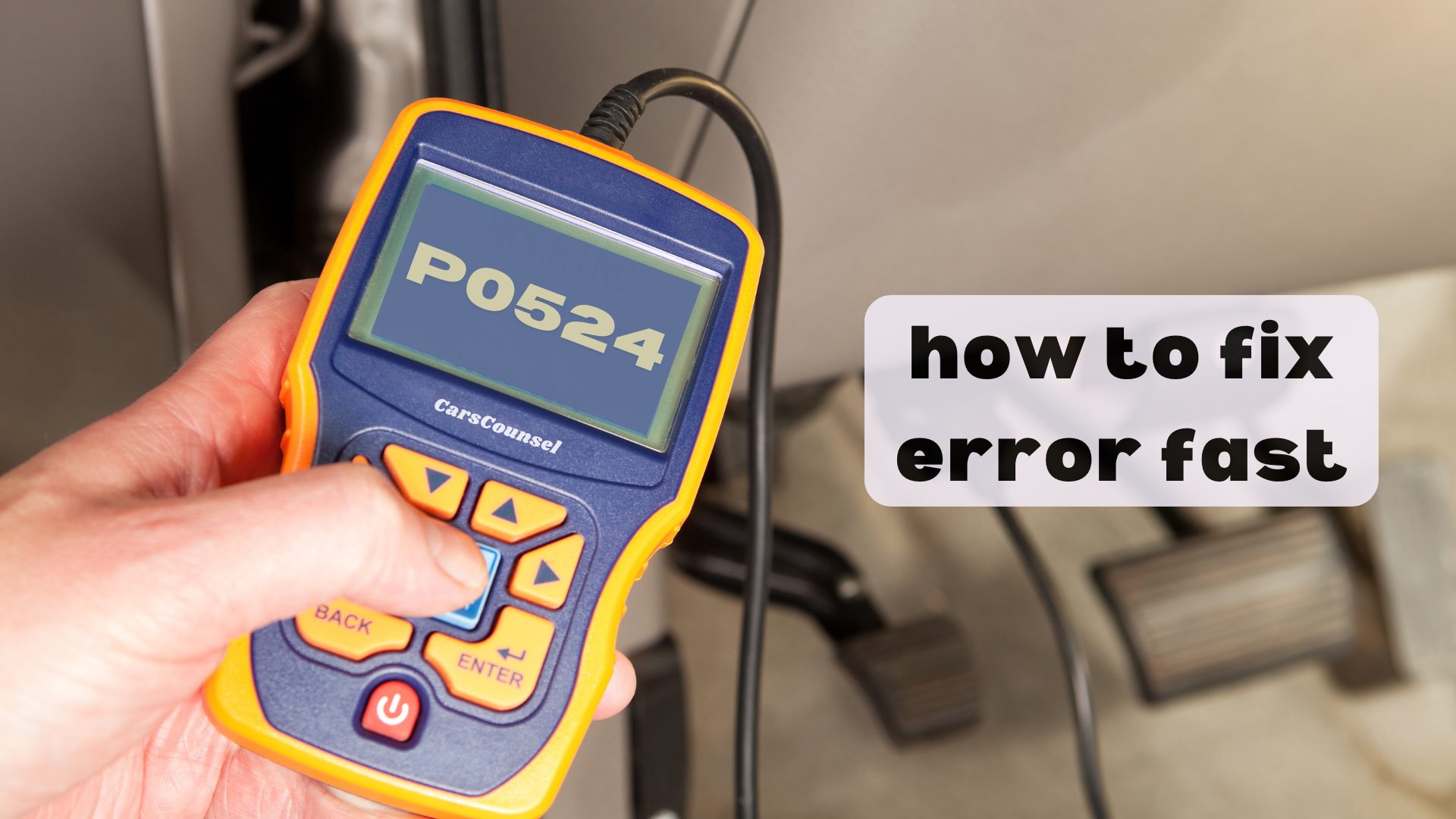
P0524 is a generic OBD-II diagnostic trouble code indicating the powertrain control module detected that the engine oil pressure is below the minimum safe threshold.
This code indicates a detected condition rather than confirming a single failed component. The underlying cause requires immediate mechanical and electrical diagnosis to prevent severe engine damage.
Quick Navigation
Key Takeaways
- P0524 indicates the control module detected actual engine oil pressure below the safe operating threshold for current engine conditions.
- Possible causes include low engine oil level, a failing oil pump, clogged oil filter, worn engine bearings, or a faulty oil pressure sensor.
- Diagnosis requires verifying the exact factory definition, checking the physical oil level, and testing actual oil pressure with a mechanical gauge.
- Repairs depend on the confirmed root cause and may involve adding oil, replacing the filter, repairing the oil pump, or replacing the sensor.
P0524 Code Description and Implications
P0524 is a generic OBD-II code indicating the powertrain control module (PCM) detected that the engine oil pressure is too low.
The PCM monitors the oil pressure sensor signal and compares it to calibrated thresholds based on engine speed and temperature.
When the module determines the oil pressure has dropped below the minimum safe operating limit, it logs the P0524 code.
Because P0524 is a generic code, this fundamental monitoring logic applies across various vehicles from multiple manufacturers.
However, the exact pressure thresholds, sensor types, and diagnostic troubleshooting steps vary depending on the specific vehicle application.
When diagnosing an OBD2 error related to engine lubrication, verifying the exact factory definition is an essential first step.
Common Causes of the P0524 Code
The underlying causes for a low engine oil pressure code generally involve the physical lubrication system or the monitoring circuit.
Low Engine Oil Level: One common cause is simply insufficient oil in the crankcase due to leaks or consumption.
Clogged Oil Filter or Wrong Oil Viscosity: A restricted filter or oil that is too thin for the operating temperature can prevent adequate pressure buildup.
Failing Oil Pump or Worn Bearings: Internal mechanical wear in the oil pump or excessive clearance in the engine bearings can cause pressure to drop.
Faulty Oil Pressure Sensor: The sensor itself may fail internally, sending a falsely low signal to the PCM.
Wiring and Connector Issues: Damaged wiring or corroded connectors in the sensor circuit can cause erratic or low voltage signals that mimic low pressure.
Symptoms Associated With P0524
A primary symptom is the illumination of the Check Engine Light and often a dedicated red oil pressure warning light or chime.
The engine may produce audible ticking, tapping, or knocking noises due to insufficient lubrication reaching the valvetrain or rotating assembly.
Depending on the manufacturer’s fail-safe strategies, the vehicle may enter a limp mode, limit engine RPM, or disable the engine entirely.
If ignored, continued operation with actual low oil pressure can lead to engine overheating, seized components, or total engine failure.
Diagnosing the P0524 Trouble Code
Diagnosis must begin by confirming the exact factory service information and verifying the physical oil level immediately.
Check the engine oil level using the dipstick and inspect for any signs of severe external leaks or oil consumption.
If the oil level is correct, connect a mechanical oil pressure gauge to the engine’s test port to verify the actual physical oil pressure.
Compare the mechanical gauge reading with the manufacturer’s specifications and the PCM’s live data sensor reading.
If the mechanical pressure is normal but the sensor reading is low, the fault likely lies with the oil pressure sensor or its wiring.
If the mechanical pressure is actually low, the diagnosis must focus on the oil pump, filter, relief valve, or internal engine mechanical condition.
Repairing the P0524 Issue
Repairs must follow confirmed diagnosis. Never ignore a low oil pressure condition or replace internal engine components without mechanical verification.
If the engine oil level is low, add the correct viscosity oil and repair any identified leaks.
If the oil is degraded or the filter is restricted, perform a complete oil and filter service using manufacturer-specified parts.
If the mechanical oil pressure gauge confirms actual low pressure, the oil pump, pressure relief valve, or internal engine bearings may require service.
If electrical testing confirms the oil pressure sensor has failed while mechanical pressure is normal, replace the sensor and clear the codes.
Cost Considerations for P0524 Repairs
Repair costs vary considerably depending on the confirmed root cause and the specific vehicle application.
Adding oil or replacing an oil pressure sensor involves minimal to moderate parts costs and standard labor.
Replacing an oil pump or addressing internal engine bearing wear involves higher labor and parts costs, potentially requiring engine disassembly.
Cost depends on diagnostic time, component accessibility, required parts, programming requirements, and labor.
Prevention Strategies for Future Occurrences
Preventing low engine oil pressure codes requires following the vehicle’s lubrication maintenance schedule.
Changing the engine oil and filter at the manufacturer’s recommended intervals using the correct oil viscosity helps maintain proper clearances and pressure.
Regularly checking the oil level between services and addressing any oil leaks promptly can prevent the oil level from dropping below the pump pickup tube.
Troubleshooting Tips and Best Practices
Always check for Technical Service Bulletins related to P0524 for your specific vehicle application.
Manufacturers may release updated oil pressure sensors, revised oil filter designs, or software updates for the PCM to address known false-low-pressure faults.
Do not assume the engine requires a complete rebuild simply because a low oil pressure code is present.
A faulty sensor, a clogged filter, or a simple low oil level can produce the P0524 code without internal mechanical failure.
If the vehicle recently underwent an oil change, verify that the correct oil viscosity was used and the filter is properly installed and not defective.
More OBD-II Codes
| P0506 | P0511 | P0513 | P0520 |
| P0521 | P0522 | P0523 | P0526 |
| P0528 | P0532 | P0533 | P0540 |
| P0541 | P0542 | P0544 | P0546 |
| P0300 | P0171 | P0174 | P0420 |
| P0001 | P0700 | P0430 | P0301 |
Frequently Asked Questions
Is the P0524 code generic or manufacturer-specific?
P0524 is a generic SAE-defined OBD-II code. Its fundamental definition regarding engine oil pressure being too low applies across various manufacturers, though exact pressure thresholds and diagnostic steps vary.
Can low engine oil cause a P0524 code?
Yes. A primary cause of P0524 is simply a low engine oil level. If the oil level drops below the oil pump pickup tube, the pump draws in air, causing a severe drop in physical oil pressure.
Will disconnecting the battery clear the P0524 code?
Disconnecting the battery may temporarily clear the code, but it does not repair the underlying mechanical or electrical fault. It also erases valuable freeze frame data, complicating professional diagnosis of the lubrication system.
Can I drive my vehicle with a P0524 code?
Driving is strongly discouraged. If the oil pressure is genuinely low, continued operation will cause rapid, catastrophic engine damage due to metal-on-metal friction. The vehicle should be towed to a repair facility.
Does P0524 mean the oil pump must be replaced?
Not necessarily. While a failing oil pump is a possible cause, a low oil level, clogged oil filter, wrong oil viscosity, or a faulty oil pressure sensor can also trigger the code. The mechanical pressure must be tested first.
What Should You Do About the P0524 Code?
Confirm the exact factory definition and diagnostic procedure for your specific vehicle application before attempting repairs.
Do not assume the engine requires internal mechanical repairs based solely on the presence of the diagnostic trouble code.
Inspect the physical oil level, verify the actual mechanical oil pressure with a gauge, and review live data to rule out sensor faults.
Follow the applicable manufacturer diagnostic workflow to isolate the relevant system and components before authorizing major engine disassembly.

