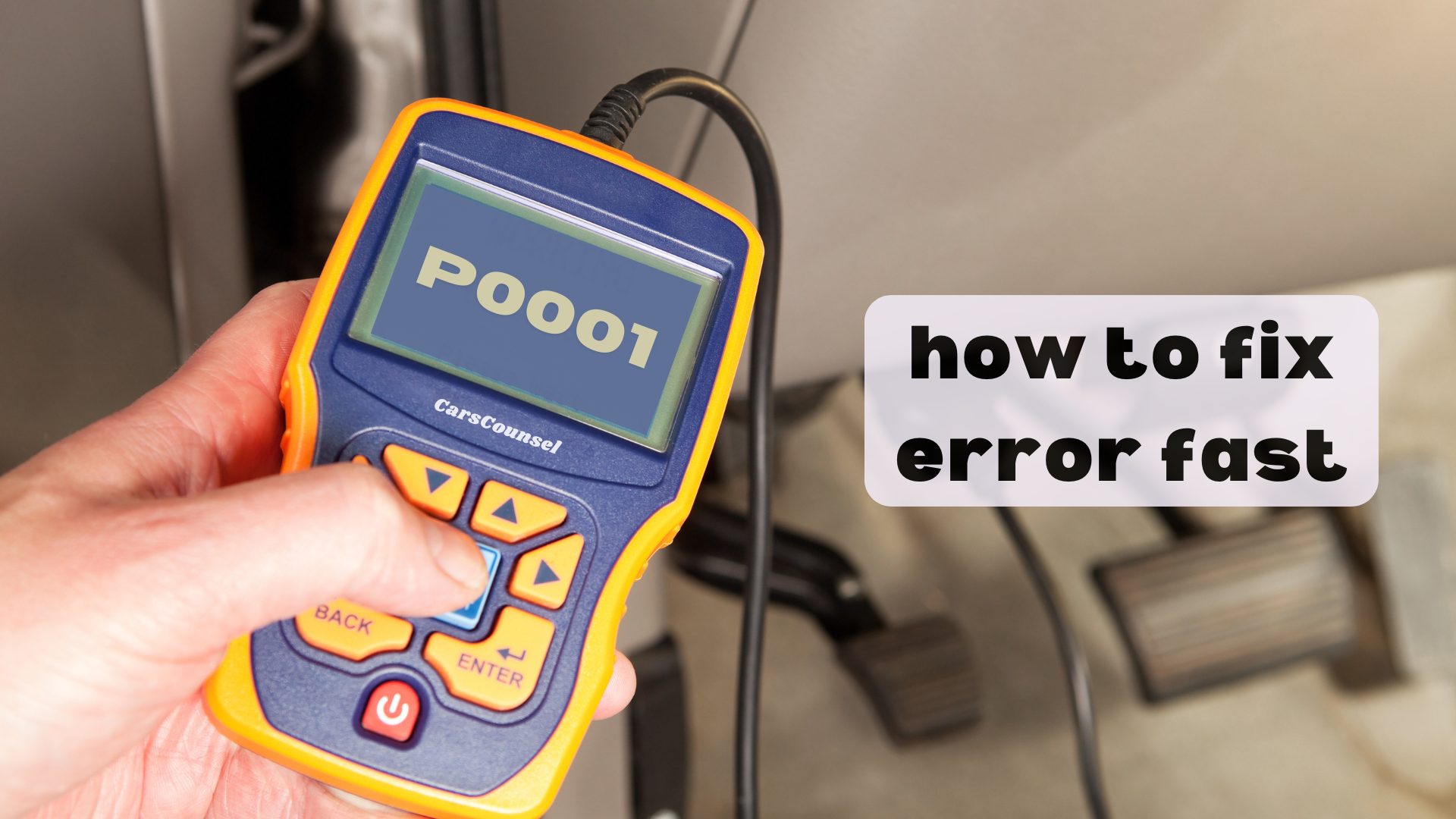
P0001 is a generic OBD-II diagnostic trouble code indicating the Powertrain Control Module detected an open circuit or electrical fault in the fuel volume regulator control circuit. This component manages fuel pressure entering the high-pressure pump.
This code identifies an electrical circuit condition rather than confirming a single failed component. The underlying cause could involve damaged wiring, corroded connectors, or a failed regulator solenoid, requiring targeted electrical diagnosis.
Quick Navigation
Key Takeaways
- P0001 indicates the control module detected an open circuit or electrical fault in the fuel volume regulator control circuit.
- Possible causes include a failed fuel volume regulator solenoid, damaged wiring harness, corroded connectors, or internal control module faults.
- Diagnosis requires inspecting the wiring, testing the regulator circuit resistance, and verifying live fuel pressure data.
- Repairs depend on the confirmed root cause and may involve wiring repair, connector replacement, or regulator replacement.
P0001 Code Description and Implications
P0001 indicates that the Powertrain Control Module (PCM) has detected an open circuit in the control wiring for the fuel volume regulator.
This regulator, often called a suction control valve (SCV) or fuel pressure control valve, is typically mounted on the high-pressure fuel pump.
It controls the volume of low-pressure fuel entering the high-pressure pump, which is critical for maintaining target common rail fuel pressure.
Because P0001 is a generic code, this fundamental electrical monitoring logic applies across various diesel and direct-injection gasoline engines.
However, the exact component location, wiring diagrams, and diagnostic troubleshooting steps vary considerably depending on the specific vehicle application.
When diagnosing trouble codes related to high-pressure fuel systems, generic diagnostic paths cannot account for manufacturer-specific pinouts or safety procedures.
Common Causes of the P0001 Code
The underlying causes for a fuel volume regulator circuit code generally involve the regulator solenoid, the control wiring, or the module itself.
Failed Fuel Volume Regulator: The internal electromagnetic coil of the regulator may fail open, preventing it from receiving the control signal.
Wiring and Connector Issues: Damaged wiring, chafed insulation, or corroded connectors in the control circuit between the PCM and the fuel pump can interrupt the signal.
Faulty PCM: In uncommon instances, an internal driver failure within the control module may prevent it from properly grounding or powering the regulator circuit.
Symptoms Associated With P0001
The prominent symptom is the illumination of the Check Engine Light.
Depending on the manufacturer’s fail-safe strategies, the vehicle may enter a limp mode, severely restricting engine power and RPM to protect the fuel system.
Drivers may experience extended cranking times, hard starting, or a complete failure to start if the high-pressure pump cannot build adequate rail pressure.
The engine may stall unexpectedly or run very rough due to erratic fuel pressure delivery.
Diagnosing the P0001 Trouble Code
Diagnosis must begin by confirming the exact factory service information and wiring diagrams for the vehicle’s specific engine.
Start by visually inspecting the wiring harness and connectors at the high-pressure fuel pump for physical damage, fluid intrusion, or corrosion.
Use a digital multimeter to test the resistance of the fuel volume regulator solenoid and compare it to the manufacturer’s specifications.
Verify the continuity of the control circuit between the pump connector and the PCM.
Use a scan tool capable of displaying live data to monitor commanded and actual fuel rail pressure during cranking and running.
If the external wiring and solenoid resistance test correctly, the fault may lie within the control module itself.
Repairing the P0001 Issue
Repairs must follow confirmed diagnosis. Never replace high-pressure fuel components solely based on the presence of the code.
If external wiring damage or connector corrosion is found, repair the harness and secure the connections before re-evaluating the system.
If electrical testing confirms the fuel volume regulator solenoid has failed its resistance test, replace the regulator.
On some applications, the regulator is serviced separately, while on others it requires replacing the entire high-pressure fuel pump assembly.
If all external circuits and the solenoid test correctly, follow the manufacturer’s diagnostic procedure to evaluate the control module.
Cost Considerations for P0001 Repairs
Repair costs vary considerably depending on the confirmed root cause and the specific vehicle application.
Repairing damaged wiring or replacing a corroded connector involves standard electrical labor and minimal parts costs.
Replacing a serviceable fuel volume regulator involves moderate parts costs and labor to access the high-pressure pump.
If the regulator is integrated and requires complete high-pressure fuel pump replacement, the parts and labor costs will be substantial.
Cost depends on diagnostic time, component accessibility, required parts, programming requirements, and labor.
Prevention Strategies for Future Occurrences
Preventing fuel system circuit codes requires attention to the engine bay environment and fuel quality.
Using high-quality fuel and replacing fuel filters at specified intervals helps prevent debris buildup that can contaminate the fuel system.
Inspecting the engine wiring harness for interference with moving components or excessive heat exposure can help identify developing chafing or insulation damage.
Keeping electrical connectors clean and ensuring protective boots are intact helps prevent moisture intrusion and corrosion.
Troubleshooting Tips and Best Practices
Always check for Technical Service Bulletins related to P0001 for your specific vehicle application.
Manufacturers may release updated wiring harness repair kits, revised fuel pump assemblies, or software updates to address known regulator faults.
Do not assume the high-pressure fuel pump requires complete replacement simply because a circuit code is present.
A simple wiring fault, a corroded connector, or a failed solenoid coil can produce the P0001 code without internal mechanical pump damage.
High-pressure fuel systems operate at extreme pressures; always follow manufacturer safety procedures to depressurize the system before disconnecting any fuel lines.
More OBD-II Codes
| P0000 | P0002 | P0003 | P0004 |
| P0010 | P0011 | P0012 | P0013 |
| P0014 | P0016 | P0017 | P0020 |
| P0087 | P0170 | P0171 | P0172 |
| P0173 | P0174 | P0201 | P0202 |
| P0203 | P0204 | P0205 | P0206 |
Frequently Asked Questions
Is the P0001 code generic or manufacturer-specific?
P0001 is a generic SAE-defined OBD-II code. Its fundamental definition regarding an open circuit in the fuel volume regulator control circuit applies across various manufacturers, though exact diagnostic steps vary.
Can low fuel cause a P0001 code?
No. Running out of fuel causes low fuel rail pressure codes, not an electrical open circuit code. P0001 specifically indicates a break or fault in the electrical wiring or solenoid coil of the regulator.
Will disconnecting the battery clear the P0001 code?
Disconnecting the battery may temporarily clear the code, but it does not repair the underlying electrical fault. It also erases valuable freeze frame data and resets readiness monitors, complicating professional diagnosis.
Can I drive my vehicle with a P0001 code?
Driving with this code is not recommended. A failed fuel volume regulator circuit can cause the engine to stall, fail to start, or enter a severe limp mode, leaving you stranded or causing further fuel system damage.
Does P0001 always mean the high-pressure fuel pump is bad?
No. While the regulator is often mounted on the pump, the code indicates an electrical circuit fault. Damaged wiring, corroded connectors, or a failed solenoid coil can trigger the code without the pump itself being mechanically defective.
What Should You Do About the P0001 Code?
Confirm the exact factory definition and diagnostic procedure for your specific vehicle application before attempting repairs.
Do not assume the high-pressure fuel pump requires complete replacement based solely on the presence of the diagnostic trouble code.
Inspect the external wiring and connectors, verify the solenoid resistance, and review live fuel pressure data to rule out external electrical faults.
Follow the applicable manufacturer diagnostic workflow to isolate the relevant system and components before authorizing high-pressure fuel system repairs.

