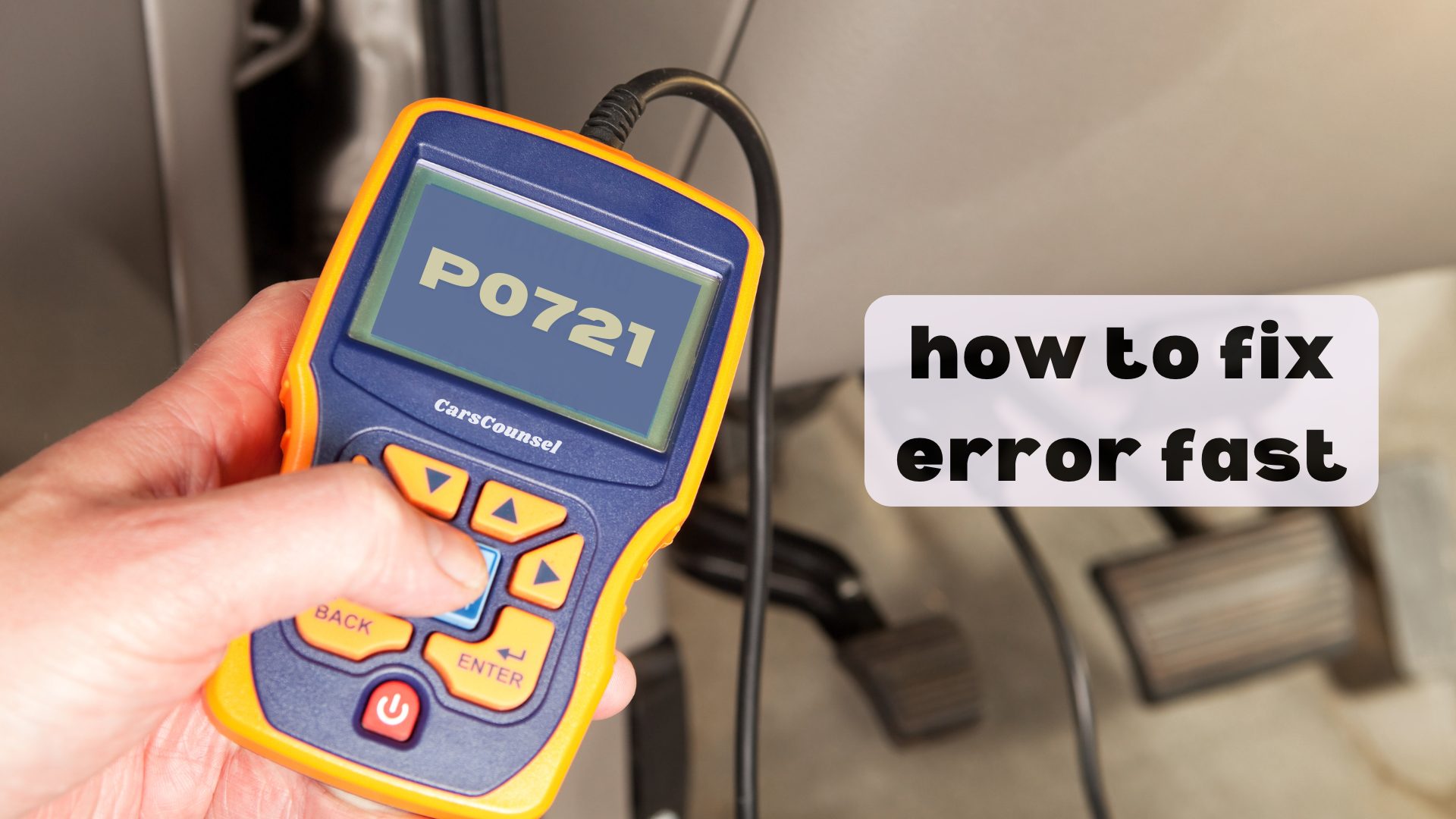
Among OBD-II OBD2 codes, P0721 is a generic SAE definition indicating an Output Speed Sensor Circuit Range/Performance fault. It means the control module detected an erratic or irrational signal from the transmission output shaft speed sensor.
Because this code points to a signal performance issue, exact application verification is required. The code indicates a correlation or signal quality problem, and testing is necessary to isolate the fault to the sensor, wiring, or internal transmission components.
Quick Navigation
Key Takeaways
- Condition detected: The PCM or TCM identified an erratic, noisy, or irrational signal from the output speed sensor circuit.
- Electrical and mechanical checks: Diagnosis involves inspecting the sensor wiring, testing the sensor signal, and checking for metallic debris or reluctor ring damage.
- System impacts: A faulty output speed signal can cause erratic shifting, speedometer failure, and torque converter clutch issues.
- Component testing: The output speed sensor, harness, and internal tone ring must be evaluated to isolate the root cause.
P0721 Code Description and Implications
P0721 is a generic SAE definition for Output Speed Sensor Circuit Range/Performance. The powertrain or transmission control module monitors the output shaft speed sensor to determine vehicle speed, calculate shift points, and manage torque converter clutch engagement.
When the module detects that the sensor signal is erratic, noisy, or does not correlate with the input speed sensor and engine RPM, it stores P0721. This indicates a signal quality or correlation issue rather than a complete circuit failure.
Common Causes of the P0721 Code
- Faulty output shaft speed sensor: The internal sensor element may degrade, producing a weak or noisy signal that the control module cannot interpret correctly.
- Damaged wiring or connectors: Chafed harnesses or corroded pins can introduce electrical noise or intermittent signal loss to the sensor circuit.
- Metallic debris on the sensor tip: Magnetic sensors can attract metallic clutch material from the transmission fluid, disrupting the magnetic field and causing erratic readings.
- Damaged reluctor ring: A chipped or cracked tone ring on the output shaft can cause missing or erratic pulses as it passes the sensor.
Symptoms Associated With P0721
Possible symptoms include:
- Illuminated Check Engine Light (MIL).
- Erratic, harsh, or delayed transmission shifting.
- Speedometer fluctuating, reading zero, or failing completely.
- Torque converter clutch failing to engage or disengage properly.
- Transmission entering limp mode or defaulting to a single gear to protect the drivetrain.
Diagnosing the P0721 Trouble Code
Diagnosing a speed sensor performance code requires a scan tool capable of displaying live data, a digital multimeter, and potentially an oscilloscope. The first step is to verify the exact factory definition.
- Monitor live data: Use a scan tool to monitor the output shaft speed sensor PID while driving and compare it to the input speed sensor and vehicle speed sensor readings.
- Visual inspection: Check the sensor connector and wiring harness for damage, corrosion, or exposure to heat and moving components.
- Sensor testing: Measure the sensor resistance and check the AC voltage or digital square wave signal while the wheels are turned to verify signal integrity.
- Fluid inspection: Check the transmission fluid for excessive metallic debris that could be clinging to the magnetic sensor tip and disrupting the signal.
Repairing the P0721 Issue
Repairs must follow confirmed diagnosis. Never replace the transmission or control module based solely on the presence of a P0721 code.
- Sensor replacement: If the sensor fails electrical testing or is covered in debris that cannot be cleaned, replace the output speed sensor with a component meeting the correct vehicle specification.
- Wiring repair: Repair any chafed wires or replace corroded connectors to restore a clean signal path.
- Fluid and filter service: If metallic debris is found, perform a transmission fluid and filter service to prevent further sensor contamination.
- Internal repair: If the reluctor ring is damaged, internal transmission disassembly and repair may be required.
Cost Considerations for P0721 Repairs
Cost depends on diagnostic time, component accessibility, required parts, programming requirements, and labor.
Replacing an externally mounted speed sensor is generally less involved than diagnosing internal transmission damage or replacing an internal reluctor ring.
Prevention Strategies for Future Occurrences
- Maintain transmission fluid: Follow the manufacturer’s recommended intervals for fluid and filter changes to prevent excessive debris buildup that can foul magnetic sensors.
- Protect wiring harnesses: Ensure the sensor wiring is securely routed away from hot exhaust components and sharp chassis edges to prevent chafing.
Troubleshooting Tips and Best Practices
- Do not replace the transmission immediately: P0721 is frequently caused by a simple wiring issue, a bad sensor, or metallic debris on the sensor tip. Always verify the external circuit and sensor first.
- Check for related codes: Look for input speed sensor codes or gear ratio codes, which can help determine if the issue is isolated to the output sensor or indicative of internal mechanical slip.
- Check for TSBs: Some manufacturers issue Technical Service Bulletins for updated sensor designs or revised harness routing to address chronic signal noise issues.
More OBD-II Codes
| P0717 | P0715 | P0713 | P0711 |
| P0708 | P0707 | P0722 | P0723 |
| P0725 | P0726 | P0727 | P0730 |
| P0720 | P0500 | P0731 | P0732 |
| P0733 | P0734 | P0735 | P0736 |
| P0740 | P0741 | P0742 | P0743 |
Frequently Asked Questions
Can a bad speedometer cause a P0721 code?
No. The speedometer receives its data from the control modules, which read the speed sensors. A P0721 code indicates a fault in the sensor circuit itself, not the dashboard instrument cluster.
Is it safe to drive with a P0721 code?
Driving is not recommended for long distances. A faulty output speed signal can cause erratic shifting, sudden limp mode activation, or torque converter clutch issues, which can be unsafe in traffic or on highways.
Will changing the transmission fluid fix a P0721 code?
It may resolve the issue if metallic debris in the fluid is clinging to the magnetic sensor tip and disrupting the signal. However, if the sensor or wiring is physically damaged, a fluid change will not repair the fault.
Does P0721 mean my transmission needs to be rebuilt?
Not necessarily. While a damaged internal reluctor ring requires transmission disassembly, the root cause is often an external sensor failure, chafed wiring, or debris on the sensor tip. Proper circuit testing is required first.
Can an aftermarket speed sensor trigger a P0721 code?
Yes. Some aftermarket speed sensors may not produce the exact signal waveform or voltage amplitude required by the control module. Always use a component meeting the exact OEM specification to prevent signal correlation faults.
What Should You Do About the P0721 Code?
Because the P0721 code indicates a range or performance fault in the output speed sensor circuit, it requires verifying the sensor signal, wiring, and transmission fluid condition before replacing components. Confirm the exact factory definition for your vehicle.
Inspect the sensor harness for damage, check the live data correlation, and test the relevant system and components. Follow the manufacturer’s diagnostic procedure to isolate the faulty component, repair the confirmed root cause, and verify the repair.

