The P0700 code is a generic OBD-II powertrain code indicating that the Transmission Control Module has detected a fault and requested the Check Engine Light.
Because P0700 is an informational code, it does not identify the specific transmission problem. You must retrieve the specific codes stored in the transmission module to begin diagnosis.
Quick Navigation
Key Takeaways
- P0700 is an informational code signaling that the Transmission Control Module has stored specific fault codes.
- A basic code reader may only show P0700, requiring a scan tool capable of reading the transmission module.
- Diagnosis requires identifying and addressing the underlying transmission codes, not just replacing the control module.
- Possible underlying causes range from low transmission fluid to internal mechanical failures or electrical faults.
P0700 Code Description and Implications
The P0700 code is defined as “Transmission Control System Malfunction” or “MIL Request.” It is a generic informational code that acts as a messenger between vehicle modules.
When the Transmission Control Module detects a fault within its own systems or sensors, it cannot always illuminate the dashboard warning light directly.
Instead, it sends a request over the vehicle network to the Engine Control Module to turn on the Check Engine Light and store the P0700 code.
The actual transmission fault codes are stored separately inside the Transmission Control Module. P0700 simply alerts you that those specific codes exist and need to be retrieved.
Common Causes of the P0700 Code
Because P0700 is an informational code, its underlying causes are the actual transmission faults detected by the control module. Possible causes include:
- Low, dirty, or burnt transmission fluid affecting hydraulic pressure and sensor readings.
- Failed transmission shift solenoids or pressure control solenoids.
- Faulty transmission input or output speed sensors.
- Internal mechanical failures, such as worn clutches or damaged bands.
- Damaged wiring, corroded connectors, or poor grounds in the transmission harness.
- In some cases, a failed Transmission Control Module or software calibration issue.
Symptoms Associated With P0700
Symptoms depend entirely on the specific transmission codes stored alongside P0700. Possible symptoms include:
- Illuminated Check Engine Light.
- Transmission limp mode, where the vehicle locks into a single gear to prevent damage.
- Harsh, delayed, or erratic gear shifting.
- Transmission slipping or failure to engage gears.
- Decreased fuel efficiency due to improper torque converter lockup.
Diagnosing the P0700 Trouble Code
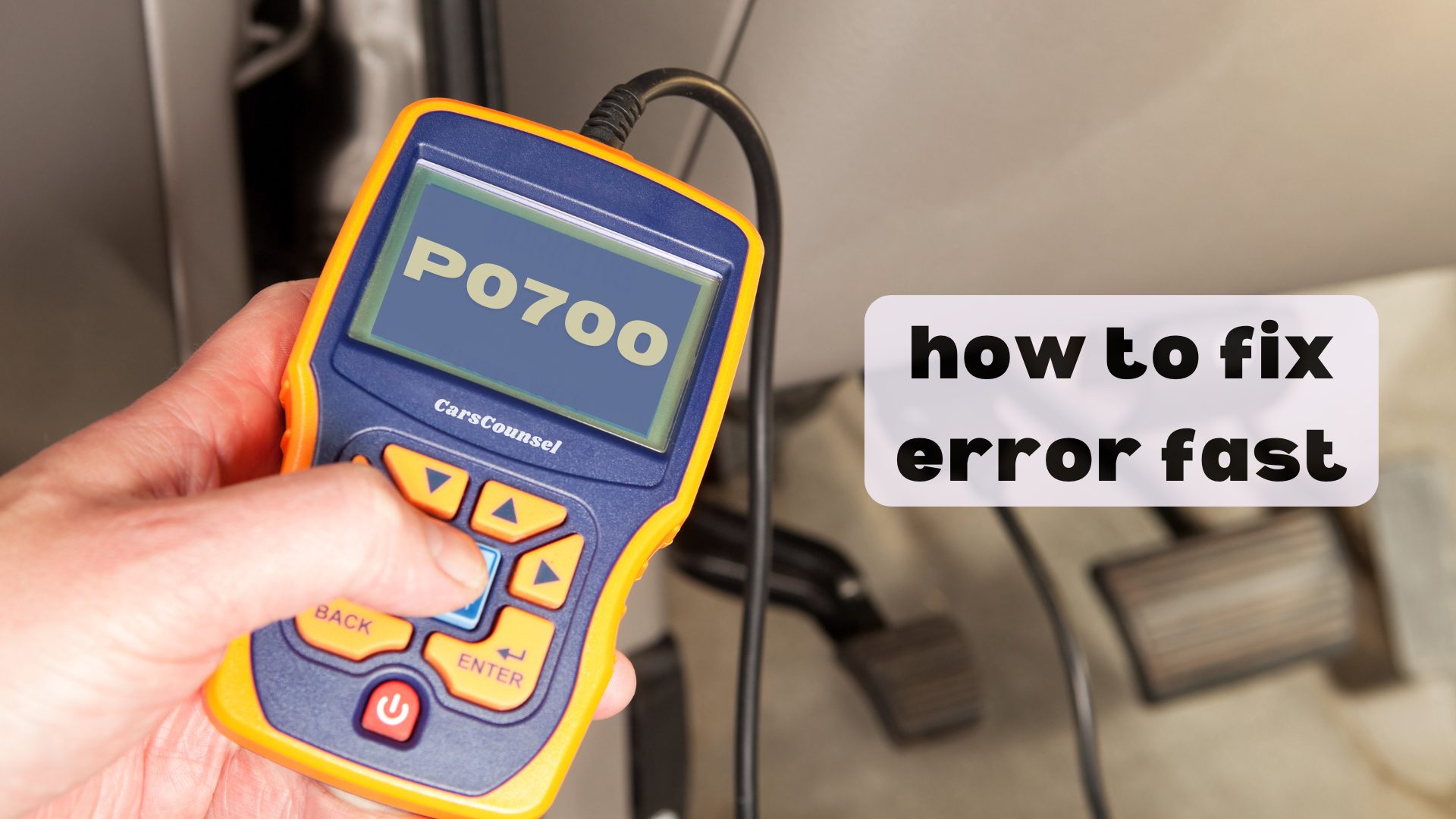
Diagnosis must begin by retrieving the specific codes stored in the Transmission Control Module. A basic code reader may only display P0700.
Use a scan tool capable of communicating with the transmission module to read the underlying fault codes. These specific codes will direct the diagnostic path.
Check the transmission fluid level and condition. Low fluid or fluid that smells burnt can cause multiple solenoid and pressure-related faults.
Inspect the transmission wiring harness and connectors for physical damage, corrosion, or chafing against the chassis or exhaust components.
Follow the manufacturer diagnostic procedures for the specific transmission codes retrieved, which may involve testing solenoid resistance or checking sensor signals.
Repairing the P0700 Issue
Repairs must address the underlying transmission faults, not the P0700 code itself. Once the specific codes are identified, repairs may include:
- Performing a transmission fluid and filter service if the fluid is degraded or low.
- Replacing confirmed failed shift solenoids or pressure control solenoids.
- Replacing faulty speed sensors or wiring harnesses.
- Repairing internal mechanical components if clutch or band failure is confirmed.
- Updating the Transmission Control Module software or replacing the module only if diagnostic testing confirms it has failed.
Cost Considerations for P0700 Repairs
Repair costs depend entirely on the underlying transmission fault, component accessibility, required parts, and labor.
A simple fluid service or speed sensor replacement involves moderate parts and labor costs.
Replacing internal solenoids may require dropping the transmission pan or removing the transmission, increasing labor time.
Major internal mechanical repairs or complete transmission replacements involve substantial labor and parts expenses. Exact pricing varies by vehicle model and region.
Prevention Strategies for Future Occurrences
While internal electrical or mechanical failures cannot always be prevented, proper maintenance can help protect the transmission system.
- Follow the manufacturer’s recommended intervals for transmission fluid and filter changes.
- Use only the exact transmission fluid specification required for your vehicle.
- Inspect the transmission cooler lines and harness connectors during routine maintenance to identify developing leaks or wiring damage.
- Avoid excessive towing or heavy loads that exceed the vehicle’s rated capacity, which can overheat the fluid and accelerate wear.
Troubleshooting Tips and Best Practices
- Never replace the Transmission Control Module based solely on the presence of a P0700 code. The module is usually just doing its job by reporting a different fault.
- If the vehicle is in limp mode, driving it long distances or at highway speeds may cause further mechanical damage.
- Some aftermarket code readers cannot access the transmission module. Verify your scan tool’s capabilities before assuming no other codes exist.
- Check for applicable technical service bulletins for your exact vehicle, as some manufacturers release software updates to address false transmission codes.
More OBD-II Codes
| P0685 | P0688 | P0690 | P0691 |
| P0703 | P0704 | P0705 | P0706 |
| P0707 | P0708 | P0711 | P0713 |
| P0714 | P0715 | P0716 | P0717 |
| U0100 | U0101 | U0121 | P0601 |
| P0720 | P0725 | P0730 | P0731 |
Frequently Asked Questions
Is P0700 a generic or manufacturer-specific code?
P0700 is a generic OBD-II code. Its definition as a Transmission Control System MIL Request is standardized across all compliant vehicles.
Can I drive my car with a P0700 code?
It depends on the symptoms. If the transmission is in limp mode, slipping, or shifting harshly, driving it may cause severe mechanical damage.
Will clearing the code fix the P0700 issue?
No. Clearing the code only turns off the light temporarily. Because P0700 is an informational code, it will return until the underlying transmission fault is repaired.
Does a P0700 code mean the Transmission Control Module is broken?
Rarely. P0700 usually means the module is working correctly by reporting a different fault. Module replacement is only necessary if specific diagnostics confirm its failure.
Can low transmission fluid cause a P0700 code?
Yes. Low or degraded fluid can cause pressure drops and solenoid performance issues. The control module detects these faults and requests the P0700 code.
What Should You Do About the P0700 Code?
Confirm the exact transmission codes stored in the Transmission Control Module using a capable scan tool. P0700 is an informational code and does not identify the specific failed component.
Follow the manufacturer diagnostic procedures for the underlying transmission codes. Address the relevant system and components, verify the repair, and then clear the codes.

