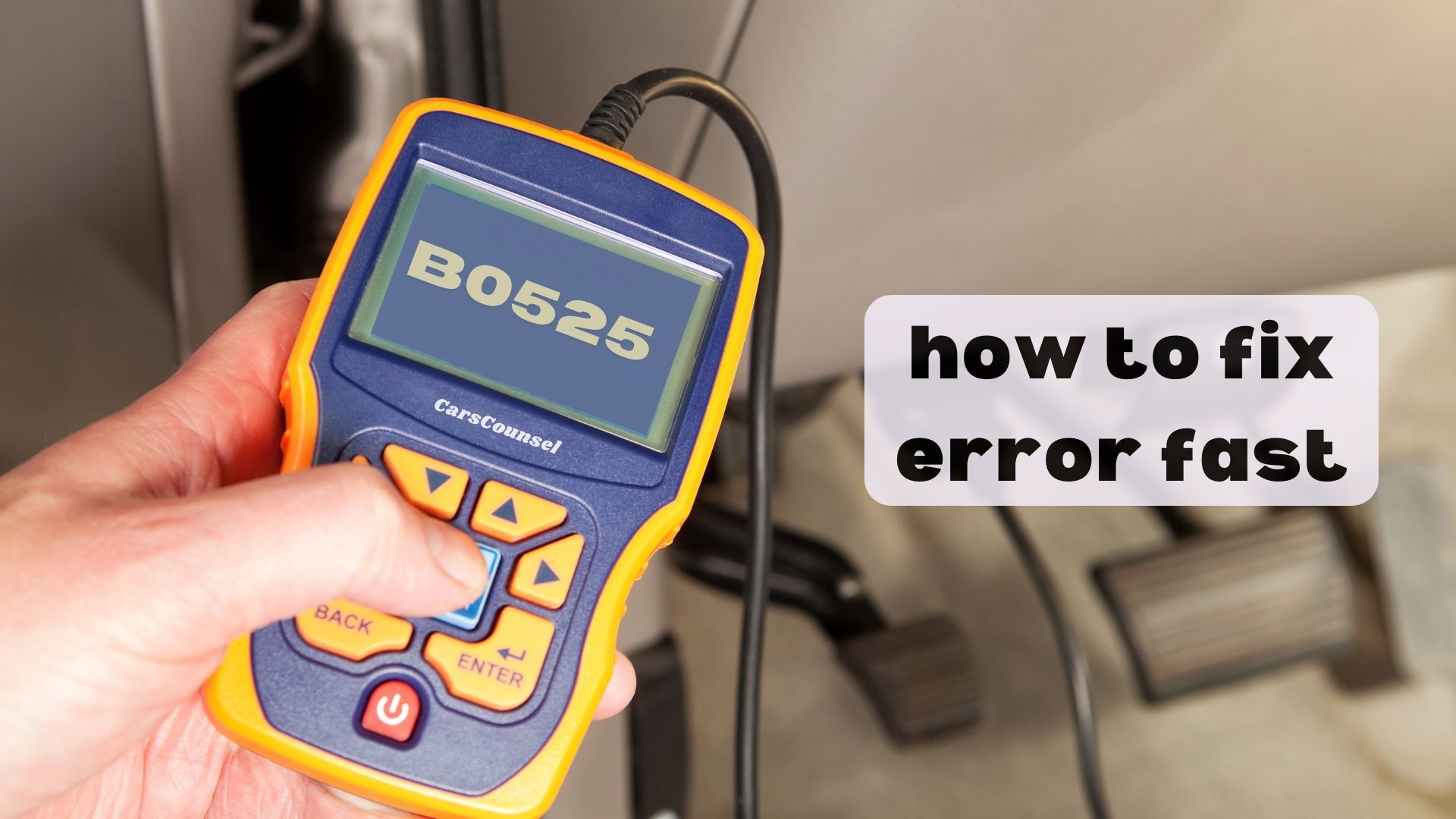
B0525 is a body diagnostic trouble code that generally indicates a fault in the right turn signal circuit on certain verified applications, such as specific GM vehicles. However, body code definitions can vary by manufacturer.
Because this code identifies an electrical circuit condition, it does not automatically prove the turn signal switch or control module has failed. Accurate diagnosis requires verifying the exact factory definition and testing the relevant circuits.
Quick Navigation
Key Takeaways
- B0525 indicates an electrical fault in a monitored body circuit, commonly the right turn signal circuit on certain GM applications.
- Possible causes include damaged wiring, corroded bulb sockets, a failed turn signal switch, or a Body Control Module issue.
- Symptoms typically include a malfunctioning right turn signal, hyper-flashing, or dashboard warning indicators.
- Diagnosis involves verifying the exact factory definition, inspecting the relevant wiring harness, and testing circuit continuity.
- Repairs require fixing the confirmed electrical fault, which may involve wiring repairs, bulb socket replacement, or module service.
B0525 Code Description and Implications
B0525 is a body diagnostic trouble code. On several verified General Motors applications, including Chevrolet and Cadillac, it indicates a fault in the right turn signal circuit.
On other vehicle platforms or older SAE standards, B0525 may be defined as a temperature gauge circuit malfunction or remain an ISO/SAE reserved code.
When the code refers to the right turn signal circuit, the Body Control Module detects that the circuit voltage is outside the expected range when the turn signal is commanded on.
This code strictly monitors the electrical control circuit, not the mechanical condition of the turn signal lever or the physical bulb filament itself.
Common Causes of the B0525 Code
Possible causes for a right turn signal circuit fault include a short to ground or an open circuit in the wiring harness between the control module and the right turn signal bulbs.
Corroded, loose, or damaged electrical connectors at the bulb sockets can also interrupt the circuit or cause high resistance.
A failed turn signal switch or multifunction switch on the steering column can prevent the correct signal from reaching the control module.
In some applications, an internal fault within the Body Control Module or Instrument Panel Cluster may cause this error code to set.
If the code references a temperature gauge circuit on your specific vehicle, the causes would instead involve the coolant temperature sensor or related wiring.
Symptoms Associated With B0525
If the code relates to the right turn signal circuit, the most common symptom is a malfunctioning right turn signal. The bulbs may not illuminate, stay on continuously, or hyper-flash.
You may also see a dashboard warning message, such as a turn signal fault alert on the driver information center.
If the code relates to a temperature gauge circuit on your specific application, the symptom would be an inoperative or erratic temperature gauge on the instrument cluster.
Diagnosing the B0525 Trouble Code
Diagnosis must begin by confirming the exact factory definition of B0525 for your specific vehicle make, model, and year.
If the code is verified as a right turn signal circuit fault, use a scan tool to command the right turn signal on and off while monitoring the control module data.
Visually inspect the right turn signal bulbs, sockets, and wiring harness for physical damage, corrosion, or moisture intrusion.
Use a digital multimeter to check the circuit for continuity, shorts to ground, and proper voltage supply from the control module.
If the wiring and bulbs test correctly, the turn signal switch or control module may require further testing according to the manufacturer diagnostic flow chart.
Repairing the B0525 Issue
If testing confirms damaged wiring or a short to ground in the harness, repair or replace the affected wiring sections and secure the harness away from sharp components.
If a bulb socket is corroded or melted, replace the socket and apply dielectric grease to prevent future moisture intrusion.
If the turn signal switch fails the electrical tests, replace the multifunction switch assembly with a component meeting the correct vehicle specification.
If the Body Control Module is confirmed as the fault, follow the applicable module service or replacement procedure, which may require programming.
Cost Considerations for B0525 Repairs
Cost depends on diagnostic time, component accessibility, required parts, programming requirements, and labor.
Wiring repairs and bulb socket replacements are generally less expensive but require precise diagnostic time to locate the exact point of the fault.
Replacing a turn signal switch or Body Control Module involves higher parts costs and may require specialized programming equipment.
Prevention Strategies for Future Occurrences
Inspect exposed wiring harnesses near the front and rear light assemblies for signs of physical damage, chafing, or rodent activity.
Ensure that all exterior light bulb sockets remain clean and properly sealed to prevent moisture intrusion and corrosion in the lighting circuits.
Troubleshooting Tips and Best Practices
Do not assume a B0525 code universally means the right turn signal is faulty. Always verify the exact definition for your vehicle, as it may refer to a temperature gauge circuit.
Do not ignore a hyper-flashing turn signal. While often caused by a simple burnt bulb, a persistent circuit fault can eventually disable the lighting output entirely.
Always check the simplest components first, such as the bulbs and sockets, before condemning the Body Control Module or turn signal switch.
More OBD-II Codes
| B0285 | B0286 | B0527 | B1202 |
| B1203 | B1208 | B1209 | B1233 |
| B1234 | B2947 | B2948 | B2957 |
| B2958 | B2960 | B3031 | B3033 |
| C0276 | C0329 | P0107 | P0108 |
| P0112 | P0113 | P0117 | P0118 |
Frequently Asked Questions
Is B0525 a generic OBD-II code?
B0525 is a standardized body code, but its exact definition frequently varies by manufacturer. It commonly indicates a right turn signal circuit fault on GM applications, but may refer to a temperature gauge circuit elsewhere.
Can I drive with a B0525 code?
If the code indicates a right turn signal fault, driving is not recommended because a malfunctioning turn signal creates a significant safety hazard and may violate traffic laws. Repair the circuit promptly.
Will a bad bulb cause a B0525 code?
Yes. A burnt-out bulb or a severely corroded bulb socket can create an open circuit or alter the circuit resistance, prompting the Body Control Module to set a turn signal circuit fault code.
Can a B0525 code affect my temperature gauge?
On certain vehicle platforms, B0525 is defined as a temperature gauge circuit malfunction. If your vehicle uses this definition, the code will directly cause an inoperative or erratic temperature gauge.
Does B0525 mean my Body Control Module is bad?
Not necessarily. While a failed module is a possible cause, an open circuit, short to ground, corroded bulb socket, or failed turn signal switch are more common reasons for this code to set.
What Should You Do About the B0525 Code?
Confirm the exact factory definition for your vehicle, then follow the applicable manufacturer diagnostic procedure. Inspect the relevant system and components for electrical faults, and repair or replace the confirmed failed parts to restore proper operation.

