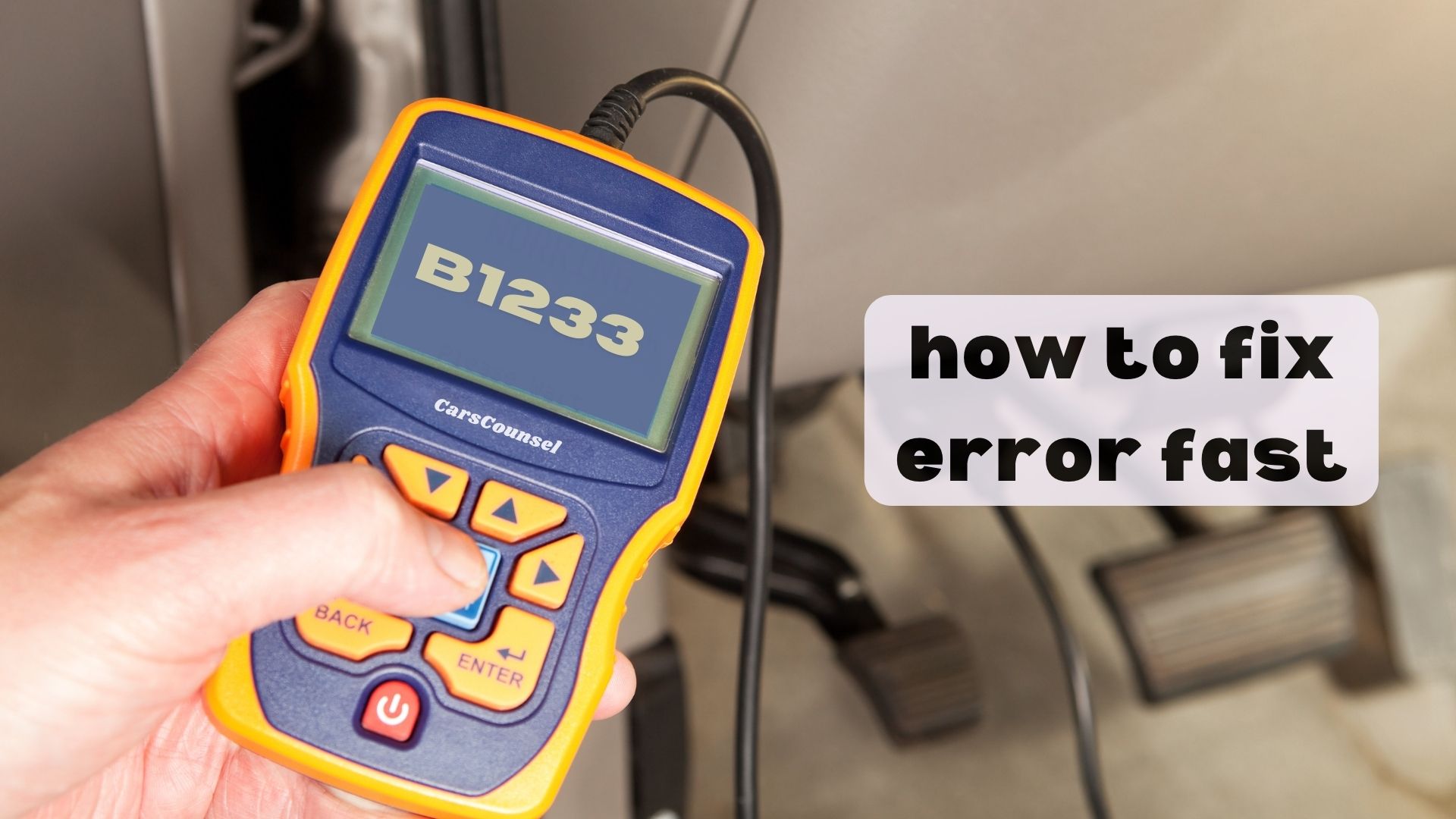
The B1233 diagnostic trouble code is a manufacturer-specific body code. Its exact definition depends heavily on the vehicle make, pointing to an HVAC air mix motor fault on Honda models or a glass break sensor issue on Ford applications.
Because this code targets entirely different systems across manufacturers, the exact vehicle application must be verified before diagnosis. The code alone does not prove a specific sensor or module has failed without proper electrical testing.
Quick Navigation
Key Takeaways
- B1233 is a manufacturer-specific body code with differing definitions depending on the vehicle make.
- On Honda and Acura applications, it typically indicates an open circuit in the driver’s air mix control motor.
- On Ford and other generic applications, it generally points to a glass break sensor circuit failure.
- Symptoms vary by application but can include inconsistent cabin temperatures or security system faults.
- Diagnosis requires verifying the exact factory definition and testing the relevant HVAC or security circuits.
B1233 Code Description and Implications
The B1233 code indicates that a body control module or climate control unit has detected a specific fault. Because it is a manufacturer-specific code, the exact monitored component varies by brand.
Some Honda and Acura applications: B1233 indicates an open circuit in the driver’s air mix control motor. The climate control module detects that the actuator responsible for blending hot and cold air on the driver’s side is not responding.
Certain Ford and generic applications: On these vehicles, B1233 indicates a glass break sensor failure or circuit fault. The security module detects an issue with the acoustic sensor designed to listen for breaking glass.
Other verified applications: On some Jeep models, it relates to a park assist sensor timing fault, while on certain Chevrolet vehicles, it indicates a CD player signal circuit issue.
Common Causes of the B1233 Code
Because B1233 applies to different systems, the root cause depends on the verified vehicle application.
- Honda (HVAC) Causes: A failed driver’s air mix control motor, an open or shorted wiring harness between the motor and the climate control unit, or poor electrical connections at the actuator plug.
- Ford (Security) Causes: A faulty glass break sensor, damaged wiring in the security system circuit, or an internal fault within the security control module.
- Shared Electrical Causes: Corroded connectors, chafed wiring harnesses, or moisture intrusion in the dashboard or cabin areas can cause open circuits or signal dropouts.
Symptoms Associated With B1233
When the control module detects a critical body system fault, it alters system operation or disables the affected feature.
- Honda Symptoms: The driver’s side vents may blow air that is stuck at one temperature, regardless of the climate control settings. You may also hear clicking noises from behind the dashboard.
- Ford Symptoms: The vehicle’s security system may fail to arm properly, or the glass break sensor may trigger false alarms. An illuminated security or anti-theft light may appear.
Diagnosing the B1233 Trouble Code
Accurate diagnosis begins by verifying the exact vehicle application and reviewing manufacturer-specific service information.
- For Honda applications: Use a scan tool capable of accessing the HVAC module to command the air mix motor. Inspect the wiring harness and connector at the actuator for opens, high resistance, or corrosion.
- For Ford applications: Inspect the glass break sensor wiring for physical damage. Test the sensor circuit for continuity and verify that the security module is receiving the proper reference voltage and ground.
Repairing the B1233 Issue
Repairs must follow the confirmed root cause identified during diagnosis.
- Honda Repairs: If the wiring and connections test correctly but the motor does not move when commanded, replace the driver’s air mix control motor. Clear the codes and recalibrate the HVAC system if required.
- Ford Repairs: Repair any damaged wiring in the security circuit. If the wiring is intact but the sensor fails testing, replace the glass break sensor and verify the security system arms correctly.
Cost Considerations for B1233 Repairs
Cost depends on diagnostic time, component accessibility, required parts, programming requirements, and labor.
For a Honda HVAC issue, accessing the air mix motor often requires significant dashboard disassembly, increasing labor time. For a Ford security sensor, the component is usually more accessible, resulting in lower labor costs.
Prevention Strategies for Future Occurrences
While electronic component failures cannot always be predicted, you can reduce the risk of circuit-related faults.
- Inspect exposed wiring harnesses under the dashboard and near the kick panels for signs of chafing, debris damage, or moisture intrusion during routine service.
- Avoid spilling liquids into the center console or dashboard areas, as moisture can easily corrode HVAC actuator connectors and trigger open circuit codes.
Troubleshooting Tips and Best Practices
Follow these practices to avoid misdiagnosis and ensure accurate repairs.
- Do not assume motor failure: On Honda applications, a broken wire or pushed-out pin in the connector is a frequent culprit. Test the circuit continuity before replacing the actuator.
- Check for related codes: Look for other HVAC or body codes that might indicate a broader wiring harness issue or a failing climate control unit.
- Verify your definition: When researching this trouble code, always verify whether your specific vehicle uses the Honda HVAC definition or the Ford security definition before ordering parts.
More OBD-II Codes
| B1203 | B1208 | B1209 | B0285 |
| B0286 | B0525 | B1234 | B1318 |
| B1325 | B1342 | B1352 | B2947 |
| B1202 | B3031 | B3033 | C1503 |
| P0449 | U1017 | P1166 | P1167 |
| P1168 | C1604 | C1611 | C1612 |
Frequently Asked Questions
Is B1233 a generic or manufacturer-specific code?
No. B1233 is a manufacturer-specific body code. Its definition varies significantly by brand, indicating an HVAC air mix motor fault on Honda vehicles or a glass break sensor fault on Ford models.
Can I drive my vehicle with a B1233 code?
It depends on the application. On Honda models, the vehicle is drivable but the driver’s climate control will be compromised. On Ford models, the security system may be disabled, presenting a theft risk.
Will disconnecting the battery clear the B1233 code?
Disconnecting the battery might temporarily clear the code. However, it does not repair the underlying open circuit or sensor fault, and the code will return once the modules run their self-tests.
Can an aftermarket remote starter cause a B1233 code?
Yes. Improperly installed aftermarket accessories spliced into the body wiring or security circuits can disrupt module communication or introduce false signals, triggering body codes like B1233.
Does B1233 affect the engine or transmission?
Generally, no. The B1233 code relates strictly to the HVAC air mix control circuit or the security glass break sensor. It does not directly affect engine or transmission operation.
What Should You Do About the B1233 Code?
When a B1233 code appears, confirm the exact factory definition for your specific vehicle make and model. Because this code targets entirely different systems depending on the manufacturer, applying the wrong diagnostic path will lead to misdiagnosis.
Follow the applicable manufacturer diagnostic procedure to test the relevant system and components. Once the root cause is confirmed, complete the necessary electrical repairs or module replacements before returning the vehicle to normal service.

