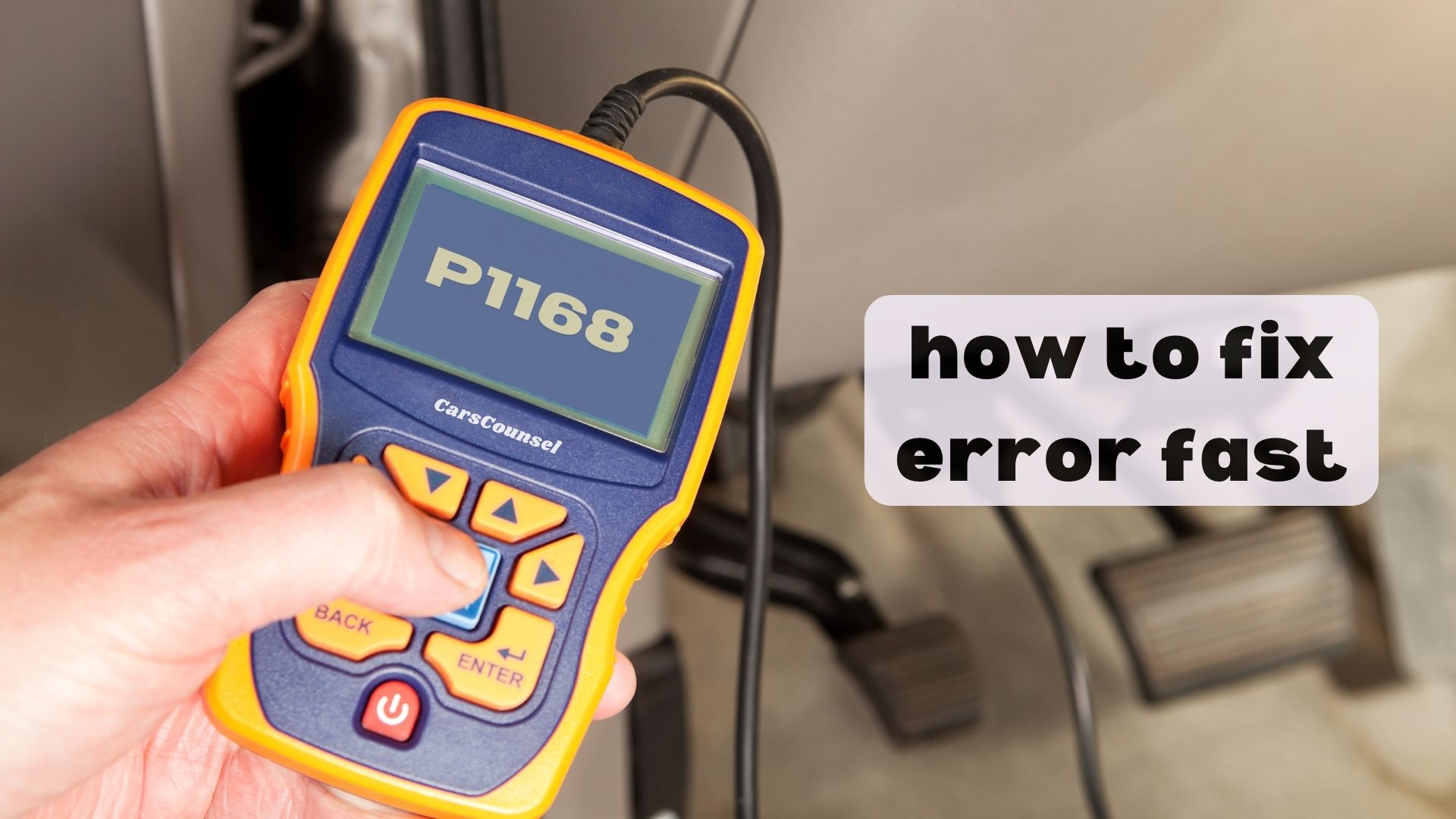
The P1168 diagnostic trouble code is a manufacturer-specific powertrain code. Its exact definition depends heavily on the vehicle make, pointing to a closed-loop fuel control issue on Nissan models, a fuel rail pressure fault on Ford and Mazda, or an oxygen sensor heater circuit fault on Hyundai.
Because this code targets entirely different systems across manufacturers, the exact vehicle application must be verified before diagnosis. The code alone does not prove a specific sensor or module has failed without proper electrical and mechanical testing.
Quick Navigation
Key Takeaways
- P1168 is a manufacturer-specific code with differing definitions depending on the vehicle make.
- On Nissan applications, it typically indicates a closed-loop control function failure or Air/Fuel Ratio sensor issue on Bank 2.
- On Ford and Mazda applications, it generally points to a fuel rail pressure sensor reading in-range but low.
- On Hyundai applications, it indicates an oxygen sensor heater power circuit malfunction for Bank 1 Sensor 2.
- Diagnosis requires verifying the exact factory definition and testing the relevant sensor circuits or fuel pressure.
P1168 Code Description and Implications
The P1168 code indicates that the engine control module has detected a specific fault within the fuel and air metering subsystem. Because it is a manufacturer-specific code, the exact monitored component varies by brand.
Some Nissan and Infiniti applications: P1168 typically indicates a closed-loop control function failure on Bank 2. The engine computer has lost control of the air-fuel mixture, often due to a missing or incorrect signal from the Air/Fuel Ratio Sensor 1.
Certain Ford and Mazda applications: On these vehicles, P1168 is defined as a Fuel Rail Pressure Sensor in-range low failure. The powertrain control module detects that the fuel pressure is lower than the ideal parameters required for proper combustion.
Specific Hyundai and Kia applications: The code indicates an oxygen sensor heater power circuit malfunction, specifically for Bank 1 Sensor 2. The control module detects an incorrect voltage or dip in power to the downstream oxygen sensor heater element.
Common Causes of the P1168 Code
Because P1168 applies to different systems across different brands, the root cause depends on the verified vehicle application.
- Nissan (Closed Loop / A/F Sensor) Causes: A faulty Air/Fuel Ratio Sensor 1 on Bank 2, an open or shorted sensor harness, poor electrical connections, or exhaust leaks upstream of the sensor.
- Ford / Mazda (Fuel Rail Pressure) Causes: A failing fuel rail pressure sensor, low actual fuel pressure due to a weak fuel pump or clogged filter, or wiring issues in the sensor circuit.
- Hyundai / Kia (O2 Sensor Heater) Causes: A failed downstream oxygen sensor heater element, blown heater fuse, damaged wiring, or poor connector contact at Bank 1 Sensor 2.
Symptoms Associated With P1168
When the control module detects a critical fuel metering or sensor fault, it alters engine operation to protect the drivetrain and emissions system.
- Illuminated Check Engine Light: The malfunction indicator lamp will turn on, and the vehicle may store related fuel trim or sensor codes.
- Poor engine performance: The engine may experience rough idling, hesitation, or stalling due to incorrect fuel delivery or mixture control.
- Decreased fuel efficiency: The engine computer may default to a rich fuel map to prevent lean misfires, significantly reducing gas mileage.
- Hard starting or no-start: On Ford and Mazda applications with actual low fuel pressure, the engine may crank excessively or fail to start entirely.
Diagnosing the P1168 Trouble Code
Accurate diagnosis begins by verifying the exact vehicle application and reviewing manufacturer-specific service information.
- For Nissan applications: Use a scan tool to monitor the Bank 2 Air/Fuel Ratio sensor live data and fuel trims. Inspect the exhaust manifold and piping for leaks that could introduce false oxygen into the sensor reading.
- For Ford / Mazda applications: Connect a mechanical fuel pressure gauge to the fuel rail to verify actual pressure against the scan tool’s reported sensor data. Inspect the fuel pump, filter, and pressure regulator.
- For Hyundai / Kia applications: Test the Bank 1 Sensor 2 oxygen sensor heater circuit for continuity and resistance. Check the relevant heater fuses and inspect the wiring harness for shorts or opens.
Repairing the P1168 Issue
Repairs must follow the confirmed root cause identified during diagnosis.
- Nissan Repairs: If the sensor signal is erratic or stuck and the wiring tests correctly, replace the Bank 2 Air/Fuel Ratio Sensor. Repair any exhaust leaks found upstream of the sensor.
- Ford / Mazda Repairs: If actual fuel pressure is low, service the fuel pump, filter, or pressure regulator. If pressure is normal but the sensor reading is low, replace the fuel rail pressure sensor.
- Hyundai / Kia Repairs: If the heater circuit is open or shorted internally, replace the Bank 1 Sensor 2 oxygen sensor. Repair any damaged wiring or blown fuses in the heater control circuit.
Cost Considerations for P1168 Repairs
The cost to resolve a P1168 code depends heavily on the underlying fault and the vehicle’s specific architecture.
If the issue is limited to an exhaust leak, a blown fuse, or damaged wiring, the repair may primarily involve diagnostic time and minor materials.
If an Air/Fuel Ratio sensor, oxygen sensor, or fuel rail pressure sensor requires replacement, parts costs are generally moderate. However, if a Ford or Mazda application requires a complete fuel pump assembly replacement due to low pressure, parts and labor costs will be higher.
Prevention Strategies for Future Occurrences
While electronic sensor failures cannot always be predicted, you can reduce the risk of circuit and fuel system faults.
- Address exhaust leaks promptly, as unmetered oxygen entering the exhaust stream can cause Air/Fuel Ratio sensors to fail prematurely or trigger false closed-loop codes on Nissan vehicles.
- Replace the fuel filter at the manufacturer’s recommended intervals to prevent debris from restricting fuel flow and forcing the fuel pump to work harder on Ford and Mazda applications.
- Keep the engine bay and undercarriage reasonably clean to prevent excessive moisture and corrosive debris from accumulating around oxygen sensor connectors.
Troubleshooting Tips and Best Practices
Follow these practices to avoid misdiagnosis and ensure accurate repairs.
- Do not assume sensor failure: Wiring faults, exhaust leaks, and actual mechanical fuel pressure issues cause the majority of P1168 codes. Test the circuit and mechanical systems before replacing parts.
- Check for TSBs: On Nissan applications, check for Technical Service Bulletins related to A/F sensors, as some model years have updated part numbers or require specific ECM reprogramming after replacement.
- Verify your definition: When researching this trouble code, always verify whether your specific vehicle uses the Nissan, Ford, or Hyundai definition before ordering parts.
- Clear adaptation values: On many modern vehicles, replacing an Air/Fuel Ratio or Oxygen sensor requires using a bidirectional scan tool to reset the ECM’s learned fuel trim adaptation values.
More OBD-II Codes
| P1161 | P1163 | P1164 | P1165 |
| P1166 | P1167 | P1170 | P1171 |
| P1172 | P1173 | P1174 | P1175 |
| P0171 | P0174 | P0087 | P0130 |
| P0131 | P0132 | P0133 | P0135 |
| P0172 | P0420 | P0430 | P0300 |
Frequently Asked Questions
Is P1168 a generic or manufacturer-specific code?
P1168 is a manufacturer-specific powertrain code. Its definition varies significantly by brand, indicating a closed-loop fuel control issue on Nissan, a fuel rail pressure fault on Ford, or an oxygen sensor heater circuit fault on Hyundai.
Can I drive my vehicle with a P1168 code?
Driving is conditionally possible but not recommended. On Nissan and Hyundai models, you may experience poor fuel economy. On Ford and Mazda models, actual low fuel pressure can cause stalling or a complete no-start condition.
Will disconnecting the battery clear the P1168 code?
Disconnecting the battery might temporarily clear the code. However, it does not repair the underlying sensor fault, exhaust leak, or fuel pressure issue, and the code will likely return once the monitors run.
Can an exhaust leak cause a P1168 code?
Yes, on Nissan applications. An exhaust leak upstream of the Bank 2 Air/Fuel Ratio sensor can introduce false oxygen into the exhaust stream, causing the sensor to report incorrect data and triggering the closed-loop fault.
Does P1168 affect the transmission?
Generally, no. The P1168 code relates strictly to fuel metering, fuel pressure, or oxygen sensor heater circuits. However, severe engine misfires or stalling caused by fuel starvation could indirectly affect drivability and shift feel.
What Should You Do About the P1168 Code?
When a P1168 code appears, confirm the exact factory definition for your specific vehicle make and model. Because this code targets entirely different systems depending on the manufacturer, applying the wrong diagnostic path will lead to misdiagnosis.
Follow the applicable manufacturer diagnostic procedure to test the relevant system and components. Once the root cause is confirmed, complete the necessary electrical repairs, sensor replacements, or fuel system service before returning the vehicle to normal service.

