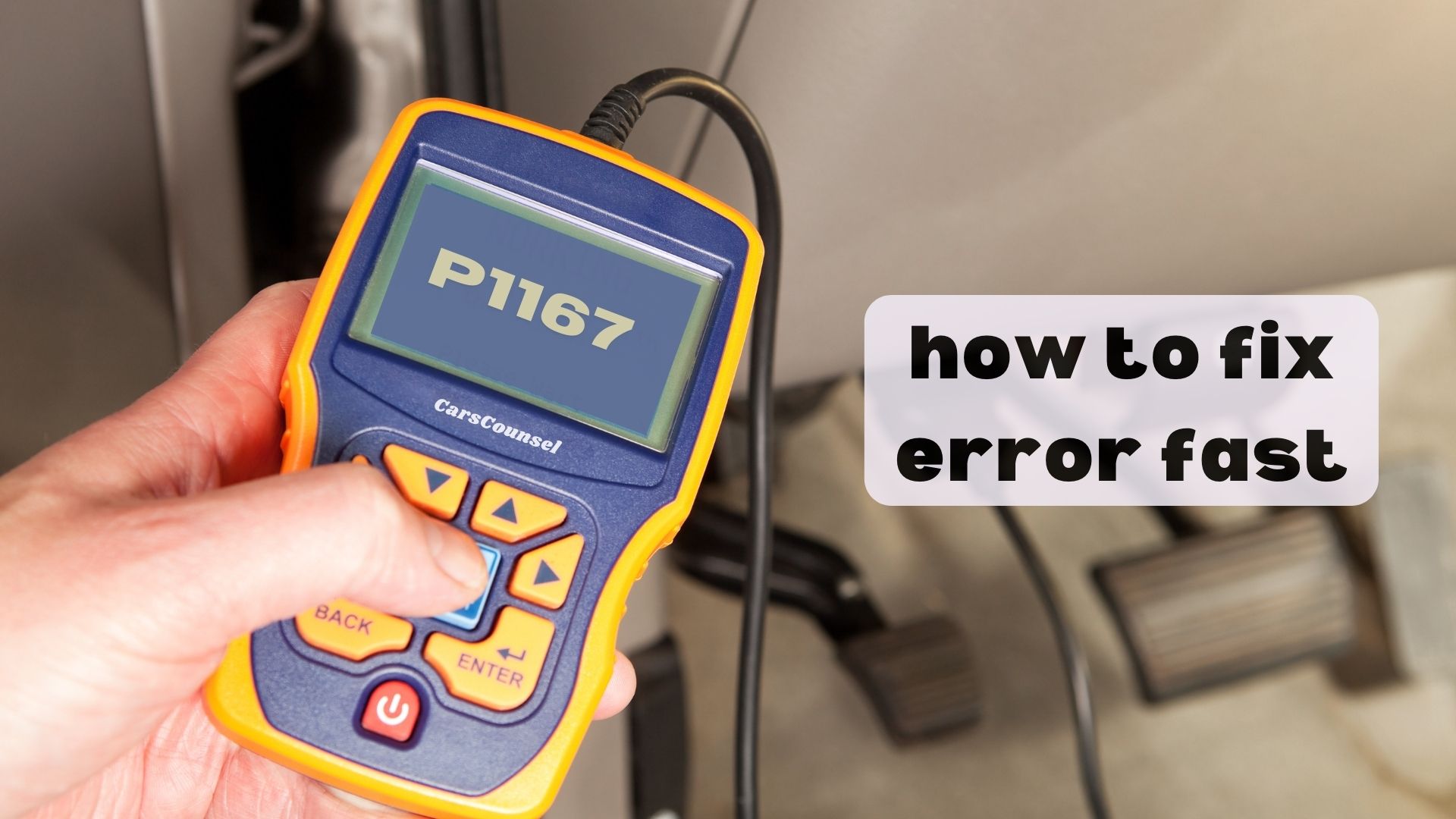
The P1167 trouble code is a manufacturer-specific powertrain code, primarily found on Honda and Acura vehicles, indicating a malfunction in the Air/Fuel Ratio (A/F) Sensor 1 heater system.
This code identifies a detected electrical or performance condition in the heater circuit, not necessarily a failed sensor. Accurate diagnosis requires testing the specific heater circuit before replacing the A/F sensor.
Quick Navigation
Key Takeaways
- P1167 indicates the control module detected a malfunction in the Air/Fuel Ratio Sensor 1 heater system.
- Possible causes include a failed sensor heater element, damaged wiring, poor connector contact, or a blown heater circuit fuse.
- Symptoms typically include an illuminated Check Engine Light and potentially decreased fuel efficiency.
- Proper diagnosis requires measuring the heater circuit voltage and resistance before replacing the sensor.
- Repair costs vary based on whether the issue is a simple wiring repair, fuse replacement, or A/F sensor replacement.
P1167 Code Description and Implications
The P1167 code is a manufacturer-specific definition, predominantly found on Honda and Acura vehicles. It indicates that the Engine Control Module has detected a malfunction in the Air/Fuel Ratio Sensor 1 heater system.
Modern engines use wide-band A/F sensors to precisely monitor exhaust oxygen content. Because these sensors must reach high operating temperatures to function accurately, they are equipped with internal heating elements.
When the control module commands the heater circuit on but detects an abnormal current draw, an open circuit, or a performance failure during the self-check, it sets this code and illuminates the Check Engine Light.
Common Causes of the P1167 Code
Electrical faults and component wear are the primary triggers for this heater system malfunction. The control module expects the heater element to draw a specific amount of current when activated.
Failed heater element: The internal heating element within the A/F sensor can degrade or break open over time due to extreme exhaust heat, preventing the circuit from completing.
Wiring or connector damage: The wiring harness supplying power and ground to the sensor heater can become chafed, melted by the exhaust, or corroded at the connector, interrupting the circuit.
Blown fuse or relay issue: The heater circuit is typically protected by a dedicated fuse in the under-hood fuse box. A short to ground in the wiring can blow this fuse, disabling the heater circuit entirely.
Symptoms Associated With P1167
When the control module detects a fault in the A/F sensor heater circuit, it illuminates the Check Engine Light. Depending on the vehicle’s programming, other symptoms may appear.
Decreased fuel efficiency: If the sensor cannot reach operating temperature quickly, the engine may remain in open-loop fueling longer, running richer than necessary and consuming more fuel.
Failed emissions test: Because the A/F sensor is critical for precise fuel trim control, a malfunctioning heater can cause the vehicle to fail an OBD-II emissions inspection.
No drivability issues: In some applications, the vehicle may drive normally once the exhaust gases naturally heat the sensor, masking the problem until the next cold start.
Diagnosing the P1167 Trouble Code
Accurate diagnosis begins by confirming the exact factory definition and wiring diagram for your specific Honda or Acura model.
Visual inspection: Inspect the A/F Sensor 1 wiring harness and connector. Look for melted insulation near the exhaust manifold, corrosion inside the connector, or pushed-out pins.
Fuse verification: Check the under-hood fuse box for the specific A/F sensor heater fuse. Replace it if blown, but investigate why it blew before assuming the fix is complete.
Circuit testing: Using a digital multimeter, verify that battery voltage is present at the heater power supply wire with the key on. If power and ground are present but the heater does not activate, the sensor element is likely open.
Repairing the P1167 Issue
Repairs must address the specific root cause identified during testing. Simply clearing the code will not resolve an underlying electrical fault.
Wiring repair: If a broken or melted wire is found, repair the harness using high-temperature solder and heat-shrink tubing. Ensure the repaired harness is routed away from hot exhaust components.
Sensor replacement: If the internal heater element fails resistance testing, replace the A/F Sensor 1 with a component that meets the exact OEM specifications.
Fuse replacement: If a blown fuse was the only issue and no shorts are found in the wiring, replace the fuse with one of the exact same amperage rating.
Cost Considerations for P1167 Repairs
Repair costs depend heavily on the underlying fault and the vehicle’s design. A simple fuse replacement requires minimal cost and can often be done by the vehicle owner.
If the A/F sensor requires replacement, the part is moderately priced, though OEM or high-quality direct-fit sensors are recommended to ensure proper heater circuit operation.
Labor time varies based on sensor accessibility. Sensors mounted directly on the exhaust manifold or close to the firewall may require more time to reach than those easily accessible on the downpipe.
Prevention Strategies for Future Occurrences
While internal sensor heater failures cannot always be predicted due to normal wear from extreme heat, you can protect the external circuits from common damage.
Harness routing: Ensure the sensor wiring harness is properly secured in its factory clips. Vibrations can cause loose wires to rest against the hot exhaust manifold, melting the insulation and causing a short.
Moisture protection: Keep connector seals intact during engine bay cleaning. High-pressure water can force moisture into electrical connections, leading to corrosion that eventually causes open circuits.
Troubleshooting Tips and Best Practices
Do not assume the A/F sensor is faulty just because a P1167 code is present. A blown fuse or a broken power wire will produce the exact same symptoms as a failed internal heater element.
Always check the heater circuit fuse first. If the fuse is blown, do not just replace it and clear the code. Inspect the entire length of the sensor harness for a short to ground that caused the fuse to blow.
Use a scan tool capable of displaying live data to monitor the A/F sensor voltage. A sensor with a failed heater will take significantly longer to begin reporting accurate air/fuel ratios after a cold start.
More OBD-II Codes
| P1166 | P1165 | P1164 | P1163 |
| P1161 | P1159 | P1168 | P1170 |
| P1171 | P1172 | P1173 | P1174 |
| P0131 | P0132 | P0133 | P0135 |
| P1106 | P1107 | P1116 | P1117 |
| P0171 | P0174 | P1178 | P1180 |
Frequently Asked Questions
Is P1167 a generic or manufacturer-specific code?
P1167 is a manufacturer-specific powertrain code. It is predominantly used by Honda and Acura to identify a malfunction in the Air/Fuel Ratio Sensor 1 heater system.
Can I drive my car with a P1167 code?
Driving is generally possible, as the engine will eventually run normally once the exhaust heats the sensor. However, cold-start emissions and fuel efficiency will suffer until the issue is repaired.
Will disconnecting the battery clear the P1167 code?
Disconnecting the battery may temporarily erase the code, but it does not repair the underlying electrical fault. The code will return as soon as the monitor runs and detects the heater malfunction again.
Can a bad ground cause a P1167 code?
Yes. The A/F sensor heater requires a clean ground path to complete the circuit. A corroded or broken ground wire will prevent the heater from activating, triggering the code.
Does P1167 always mean the A/F sensor is bad?
No. The code indicates a malfunction in the heater circuit. This is frequently caused by a blown fuse, a broken wire, or a poor connection. The sensor should only be replaced after testing.
What Should You Do About the P1167 Code?
Confirm the exact factory definition and wiring diagram for your specific vehicle application. Because P1167 identifies a malfunction in the Air/Fuel Ratio Sensor 1 heater system, the root cause could be a blown fuse, damaged wiring, or a failed sensor element.
Follow the applicable manufacturer diagnostic procedure to test the heater power, ground, and resistance circuits. Repair any confirmed wiring faults, or replace the relevant system components only after electrical testing verifies the failure. Finally, clear the codes and verify the repair.

