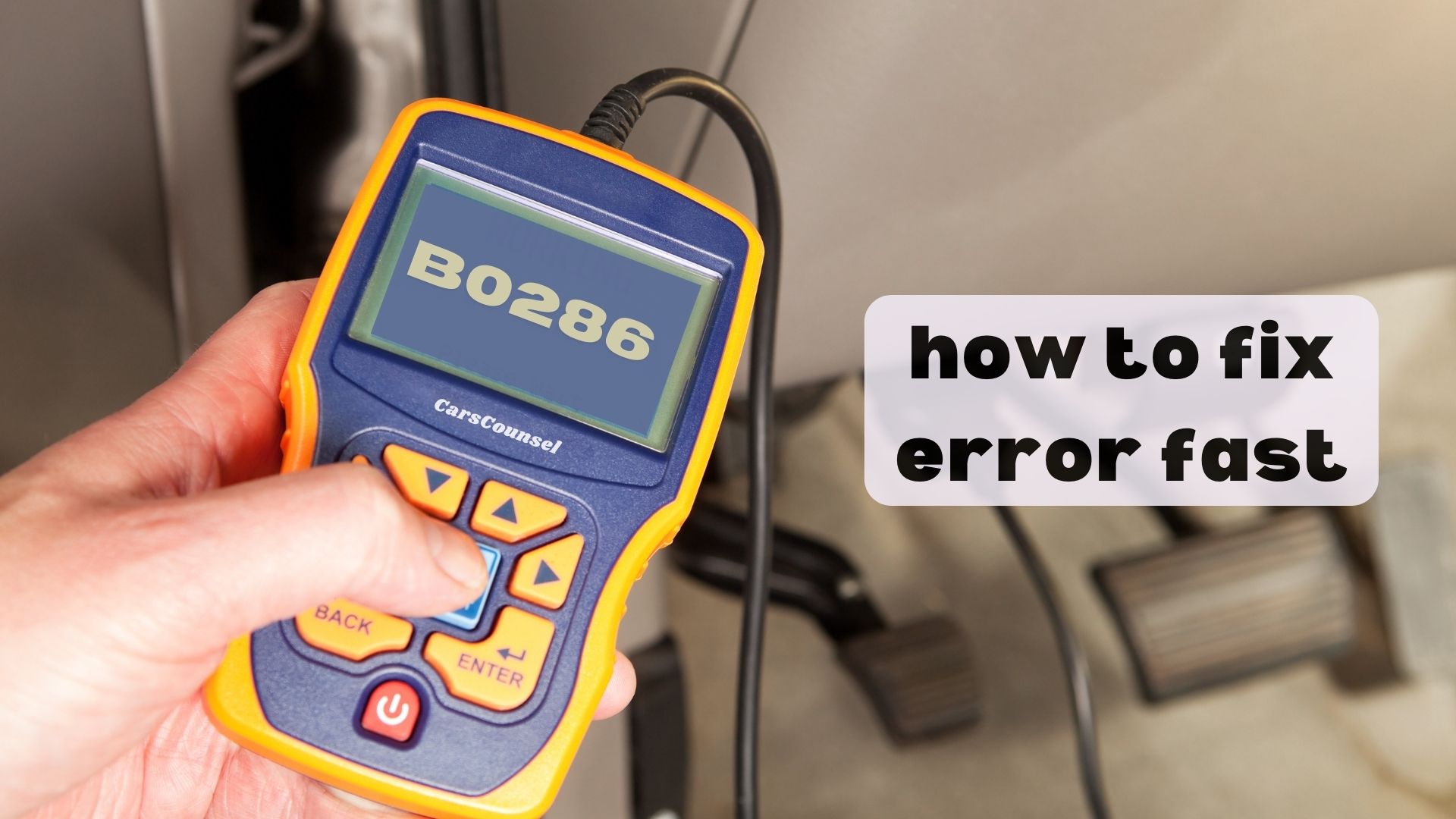
The B0286 diagnostic trouble code indicates that a body control module has detected a high voltage condition in the electric rear defrost circuit. This generic body code applies to various manufacturers, though it is well-documented on GM vehicles where the Liftgate Module or Body Control Module manages the rear window defogger.
A high circuit reading does not automatically prove the defrost grid or module has failed. The issue could stem from a short to voltage, an open ground, or wiring damage. Proper electrical testing is required to identify the root cause before replacing any components.
Quick Navigation
Key Takeaways
- B0286 is a generic body code indicating the control module detected an unexpectedly high voltage in the electric rear defrost circuit.
- Possible causes include a short to power in the control wire, a failed relay, damaged wiring, or an internal module fault.
- Symptoms typically include an inoperative rear window defogger and an illuminated Service Engine Soon or warning message on the dashboard.
- Diagnosis requires verifying the exact control module architecture and measuring circuit voltages against manufacturer specifications.
- Repairs depend on the confirmed fault and may involve wiring repair, relay replacement, or module service.
B0286 Code Description and Implications
The B0286 code indicates that a body control module (BCM) or liftgate module (LGM) has detected a voltage signal on the electric rear defrost control circuit that exceeds the normal maximum operating range.
Some GM applications: The Liftgate Module or Body Control Module controls the rear window defogger relay. The module monitors the control circuit for electrical faults when the defrost function is commanded on or off.
Other manufacturer applications: The rear defrost grid may be powered directly by a HVAC control module or a dedicated timer relay, which monitors the circuit for high voltage or short-to-power conditions.
A circuit high condition generally means the control module is seeing system voltage on a control wire when it should be reading zero volts. This prevents the module from safely engaging the rear defroster.
Common Causes of the B0286 Code
Because B0286 is an electrical circuit code, the root cause usually involves the wiring, relays, or the control module itself.
- Short to voltage: The defrost control wire or relay feedback circuit may be rubbing against another powered circuit, feeding excessive voltage back to the control module.
- Failed rear defrost relay: An internally shorted relay can continuously supply voltage to the control circuit, triggering the high voltage fault.
- Corroded or damaged connectors: Moisture intrusion at the liftgate or body module connectors can cause adjacent circuits to short together.
- Defrost grid damage: While a broken grid usually causes an open circuit, severe physical damage to the glass or grid bus bars could theoretically cause abnormal electrical feedback on certain monitored circuits.
- Module issues: Rarely, an internal fault in the Body Control Module or Liftgate Module’s driver circuit may misread a normal signal as high.
Symptoms Associated With B0286
When the control module detects a critical circuit fault, it disables the affected system to prevent electrical damage.
- Inoperative rear defroster: The rear window defogger will not turn on, which can reduce visibility in cold or humid weather.
- Warning messages: The dashboard may display a service message or illuminate the Service Engine Soon light.
- Defrost indicator light issues: The HVAC control head defrost indicator light may flash or fail to illuminate when the button is pressed.
Diagnosing the B0286 Trouble Code
Accurate diagnosis begins by verifying the exact vehicle application and reviewing manufacturer-specific service information.
- Check live data: Use a scan tool to observe the rear defrost relay command and feedback states. Command the defroster on and off while watching for the circuit high voltage fault.
- Visual inspection: Examine the wiring harness routing from the body module to the rear hatch or liftgate. Look for chafing, pinched wires in the hatch hinges, or corrosion at the connectors.
- Test the relay: Locate the rear defrost relay in the fuse box. Swap it with a known good identical relay to rule out an internally shorted component.
- Check circuit continuity: If the relay and module are functioning correctly, test the control wire for a short to voltage between the module connector and the relay socket.
- Inspect the defrost grid: Verify the physical condition of the rear window defogger grid and its connection points for signs of burning or separation.
Repairing the B0286 Issue
Repairs must follow the confirmed root cause identified during diagnosis.
- Wiring and connector repair: If a short to voltage or corroded connector is found, repair or replace the affected harness section, paying special attention to the flexible wiring loom between the body and the liftgate.
- Relay replacement: If the defrost relay is internally shorted, replace it with a component meeting the correct vehicle specification.
- Module service: If the wiring, relay, and grid test correctly but the module continues to falsely report a circuit high condition, the Body Control Module or Liftgate Module may require replacement and programming.
Cost Considerations for B0286 Repairs
The cost to resolve a B0286 code depends heavily on the underlying fault and the vehicle’s design.
If the issue is limited to a damaged wire in the liftgate hinge or a failed relay, the repair may primarily involve diagnostic time and minor materials.
If the Body Control Module or Liftgate Module requires replacement and programming, parts and labor costs will be higher. Labor time also varies based on module accessibility and the complexity of removing interior trim panels.
Prevention Strategies for Future Occurrences
While electronic module failures cannot always be predicted, you can reduce the risk of circuit-related faults.
- Inspect the flexible rubber wiring boots between the vehicle body and the liftgate or hatch for signs of cracking or tearing during routine service.
- Keep the rear window defogger grid clean and avoid using sharp scrapers or abrasive cleaners that could damage the electrical bus bars.
- Ensure that any aftermarket accessories, such as backup cameras or trailer wiring, are spliced correctly and do not interfere with the factory defrost circuits.
Troubleshooting Tips and Best Practices
Follow these practices to avoid misdiagnosis and ensure accurate repairs.
- Do not ignore hatch wiring issues: The constant opening and closing of a liftgate or hatch frequently causes wires to fatigue and break or short inside the rubber hinge boots.
- Avoid parts swapping: Replacing the Body Control Module without verifying the relay and control circuits can result in an expensive misdiagnosis if the wiring is actually at fault.
- Check technical service bulletins: Some manufacturers have published TSBs regarding specific wiring harness routing issues or updated relay part numbers that address false B0286 codes on certain applications.
- Understand module architecture: When researching this error code, remember that on some SUVs and wagons, the Liftgate Module controls the rear defrost, while on sedans, the main Body Control Module handles the circuit.
More OBD-II Codes
| C1616 | C1613 | C1612 | C1611 |
| C1604 | B2947 | B0285 | B1352 |
| B0525 | B0527 | B1202 | B1203 |
| B1208 | B1209 | B1233 | B1234 |
| B1318 | B1325 | B1342 | B2948 |
| B2957 | B2958 | B2960 | B3031 |
Frequently Asked Questions
Is B0286 a generic or manufacturer-specific code?
B0286 is a generic SAE body code. Its core definition applies across supported manufacturers, though the exact control module and diagnostic steps vary by vehicle application.
Can a broken rear window defrost grid cause a B0286 code?
A broken grid typically causes an open circuit code. B0286 specifically indicates an electrical high voltage condition, usually pointing to a short circuit, failed relay, or wiring issue.
Will disconnecting the battery clear the B0286 code?
Disconnecting the battery might temporarily clear the code. However, it does not repair the underlying electrical fault, and the code will likely return once the module runs its self-tests again.
Does B0286 affect the air conditioning system?
Generally, no. The rear defrost circuit is separate from the A/C compressor clutch circuit. However, some vehicles disable the entire HVAC control head display when a critical body module fault is detected.
Can I drive with a B0286 code?
Yes, the vehicle remains drivable. However, the rear window defogger will not function, which can severely reduce rear visibility in cold, rainy, or humid weather conditions.
What Should You Do About the B0286 Code?
When a B0286 code appears, confirm the exact factory definition and system layout for your specific vehicle. Because this code involves the rear window defogger circuit, driving with an active fault may result in reduced visibility during adverse weather conditions.
Follow the applicable manufacturer diagnostic procedure to test the relevant system and components. Once the root cause is confirmed, complete the necessary electrical repairs or component replacements before returning the vehicle to normal service.

