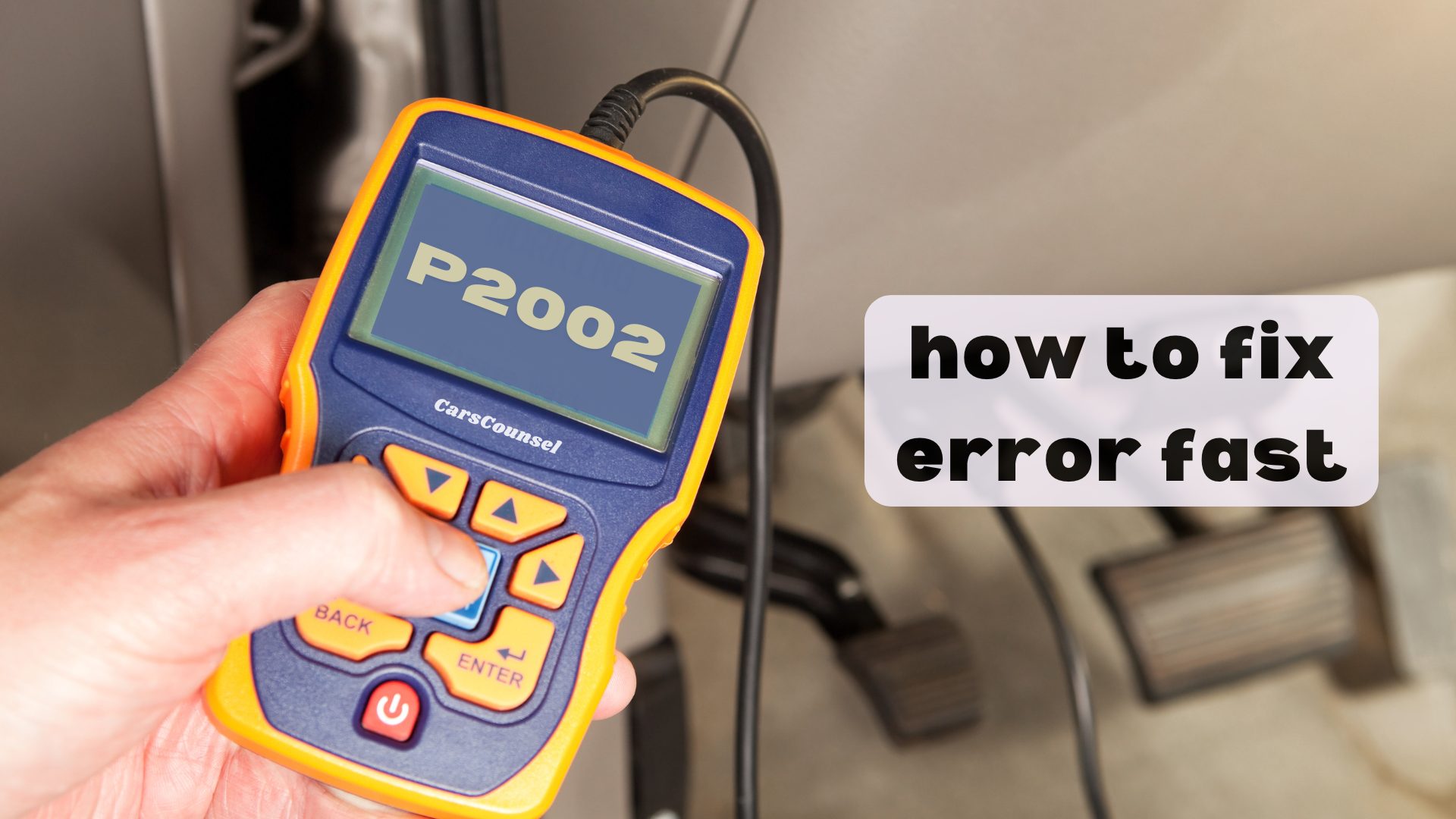
P2002 is a generic OBD-II diagnostic trouble code indicating that the Powertrain Control Module (PCM) has detected Diesel Particulate Filter (DPF) efficiency below the expected threshold for Bank 1. Because it is a generic code, the basic definition applies across various diesel manufacturers, though specific diagnostic procedures vary by application.
This code identifies a monitored emissions condition rather than confirming a single failed component. The underlying cause could involve the DPF itself, exhaust leaks, differential pressure sensors, or excessive soot production from other engine systems, requiring targeted diagnosis before any parts are replaced.
Quick Navigation
Key Takeaways
- P2002 indicates the PCM detected that the Bank 1 diesel particulate filter is not trapping soot efficiently or is leaking particulates.
- Common underlying causes include a clogged or damaged DPF, exhaust leaks near the pressure sensors, or faulty differential pressure sensor readings.
- Excessive soot production from unrelated issues, such as leaking fuel injectors or a stuck EGR valve, can also trigger this efficiency code.
- Diagnosis requires verifying the exact factory service procedure, inspecting the exhaust system for leaks, and testing the DPF pressure sensor circuits.
P2002 Code Description and Implications
The P2002 code indicates that the Powertrain Control Module (PCM) has determined the Bank 1 Diesel Particulate Filter (DPF) is operating below its expected efficiency threshold.
The onboard system monitors the pressure differential across the DPF or uses temperature modeling to verify that particulate matter is being trapped effectively before exiting the tailpipe.
When the calculated soot level or the measured pressure drop deviates from the expected parameters, the PCM concludes the filter is either failing to trap soot or is allowing unfiltered exhaust to bypass the system.
This condition triggers the malfunction indicator lamp and typically stores a confirmed or pending code in the control module memory.
Because P2002 is a generic SAE code, the fundamental definition remains consistent across diesel applications from manufacturers like Ford, General Motors, and Volkswagen.
However, the exact monitor criteria, drive cycles required to set the code, and diagnostic troubleshooting steps vary significantly by manufacturer and engine platform.
Common Causes of the P2002 Code
The underlying causes for a DPF efficiency code generally fall into three categories: physical filter issues, sensor or circuit faults, and excessive upstream soot production.
Physical DPF or Exhaust Issues: The filter substrate may be cracked, melted, or physically degraded, allowing soot to pass through.
Exhaust leaks upstream of the DPF or between the differential pressure hoses can also provide false pressure readings to the PCM.
Sensor and Circuit Faults: A failing DPF differential pressure sensor, melted sensor hoses, or damaged wiring can send inaccurate pressure data to the control module.
If the PCM receives a static or irrational pressure reading, it may incorrectly calculate filter efficiency and set the diagnostic trouble code.
Excessive Soot Production: If the engine produces soot faster than the DPF can regenerate, the filter may become overloaded and trigger an efficiency fault.
Leaking fuel injectors, excessive oil consumption, a stuck Exhaust Gas Recirculation (EGR) valve, or incorrect engine oil can accelerate ash and soot accumulation.
Symptoms Associated With P2002
The most immediate symptom is the illumination of the Check Engine Light or a specific DPF warning indicator on the instrument cluster.
Depending on the manufacturer and the severity of the condition, the vehicle may also enter a reduced-power limp mode to protect the exhaust system.
Drivers might notice decreased fuel economy or rough idling if the code is accompanied by upstream issues like a stuck EGR valve or leaking injectors.
In cases where the DPF is severely restricted rather than just inefficient, increased exhaust backpressure can cause noticeable power loss during acceleration.
Some applications may store the code without illuminating the warning light immediately, requiring multiple failed monitor cycles before the indicator is commanded on.
Diagnosing the P2002 Trouble Code
Diagnosis must begin by confirming the exact factory service information for the vehicle’s make, model, and engine.
When diagnosing this or other OBD2 Codes, generic diagnostic paths cannot account for manufacturer-specific monitor logic or proprietary regeneration procedures.
Start by inspecting the exhaust system for any leaks, particularly around the DPF pressure sensor hoses and the filter housing.
A small exhaust leak before the sensor can easily cause an efficiency rationality fault by altering the measured pressure differential.
Next, evaluate the DPF differential pressure sensor and its associated hoses. Verify that the rubber or silicone hoses are not melted, kinked, or disconnected.
Using a scan tool capable of displaying live data, monitor the pressure readings at idle and during a controlled rev to ensure they respond dynamically.
If the sensor and exhaust plumbing are intact, check for upstream engine issues. Review live data for fuel trim values and EGR flow rates.
Excessive soot production from a mechanical engine fault must be ruled out before condemning the DPF itself.
Repairing the P2002 Issue
Repairs must follow confirmed diagnosis. Never replace the DPF solely based on the presence of the code without verifying sensor data and exhaust integrity.
If an exhaust leak or damaged pressure sensor hose is found, repair the leak or replace the hose, clear the codes, and perform a verification drive.
If the differential pressure sensor fails electrical or live-data testing, replace the sensor and reset the adaptation values if required by the specific OEM procedure.
If testing confirms the DPF substrate is physically damaged, cracked, or permanently saturated with ash, follow the applicable manufacturer procedure for DPF replacement.
Ensure any upstream engine faults, such as leaking injectors, are corrected first to prevent rapid failure of the new emissions filter.
Cost Considerations for P2002 Repairs
Repair costs vary widely depending on the confirmed root cause and the specific vehicle application.
Replacing a set of DPF pressure sensor hoses or repairing a minor exhaust leak is relatively inexpensive and primarily involves standard labor.
A new differential pressure sensor typically carries a moderate parts cost and requires basic hand tools for installation.
If the diagnosis confirms that the diesel particulate filter requires replacement, the cost increases significantly due to the price of the emissions component.
Professional off-vehicle DPF cleaning services offer an alternative to full replacement on some applications, depending on the filter condition and local emissions regulations.
Prevention Strategies for Future Occurrences
Preventing DPF efficiency codes requires attention to driving habits and routine maintenance specific to diesel emissions systems.
Frequent short trips prevent the exhaust system from reaching the temperatures required for passive regeneration, leading to soot accumulation.
Incorporating regular highway driving allows the system to burn off accumulated particulates naturally and maintain optimal filter efficiency.
Always use engine oil that meets the exact low-SAPS specification required by the manufacturer.
Standard oils contain additives that leave ash residue in the DPF, which cannot be burned off during regeneration and will eventually restrict the filter.
Addressing engine mechanical issues promptly will prevent excessive ash and soot from overwhelming the aftertreatment system.
Troubleshooting Tips and Best Practices
Always check for Technical Service Bulletins (TSBs) related to DPF efficiency codes for your specific vehicle.
Manufacturers frequently release software updates or revised sensor calibration files to address false rationality faults caused by overly sensitive monitor thresholds.
When testing the DPF pressure sensor, do not rely solely on generic scan tool data.
Use a dedicated manometer or the manufacturer-specific bidirectional controls to verify actual exhaust backpressure against the sensor’s reported voltage or frequency.
Do not clear the code and immediately attempt an inspection. The DPF monitor requires specific driving conditions to run, and resetting the PCM erases freeze frame data.
If the vehicle recently underwent an engine repair, verify that all sensor hoses were reconnected to their correct ports to avoid a pressure rationality fault.
More OBD-II Codes
| P1870 | P1866 | P1865 | P1864 |
| P1863 | P1862 | P2004 | P2005 |
| P2006 | P2007 | P2008 | P2009 |
| P242F | P2433 | P2080 | P2096 |
| P2097 | P2098 | P2012 | P2014 |
| P2015 | P2020 | P2022 | P2033 |
Frequently Asked Questions
Is the P2002 code generic or manufacturer-specific?
P2002 is a generic SAE-defined OBD-II code. Its fundamental definition regarding DPF efficiency applies across various diesel manufacturers, though exact diagnostic steps and monitor criteria vary by vehicle application.
Can a bad oxygen sensor cause a P2002 code?
Indirectly, yes. While P2002 monitors the particulate filter, a failing upstream oxygen sensor can cause incorrect fuel mapping. This leads to excessive soot production that overwhelms the DPF, eventually triggering the efficiency code.
Will a forced regeneration clear the P2002 code?
A forced regeneration may clear the code if the filter was simply overloaded with combustible soot. However, if the code returns or the filter is saturated with non-combustible ash, a forced regeneration will not resolve the underlying issue.
Can an exhaust leak trigger a P2002 code?
Yes. An exhaust leak upstream of the DPF or between the differential pressure sensor hoses can alter the measured pressure drop. The PCM may interpret this false pressure reading as a filter efficiency failure.
Does using the wrong engine oil affect the DPF?
Yes. Using oil without the correct low-SAPS specification introduces excess ash into the exhaust. Unlike soot, ash cannot be burned off during regeneration and will permanently restrict the filter, potentially causing efficiency codes.
What Should You Do About the P2002 Code?
Confirm the exact factory definition and diagnostic procedure for your specific vehicle application before attempting repairs.
Do not assume the diesel particulate filter has failed based solely on the presence of the diagnostic trouble code.
Inspect the exhaust system for leaks, verify the condition of the pressure sensor hoses, and review live data to rule out upstream engine faults.
Follow the applicable manufacturer diagnostic workflow to isolate the relevant system and components before replacing any emissions hardware.

