P242F is a generic OBD-II powertrain code indicating that the Diesel Particulate Filter (DPF) has reached its maximum allowable ash accumulation limit.
Because ash cannot be burned off during normal regeneration, this condition requires physical cleaning or replacement of the filter, pending exact diagnostic verification.
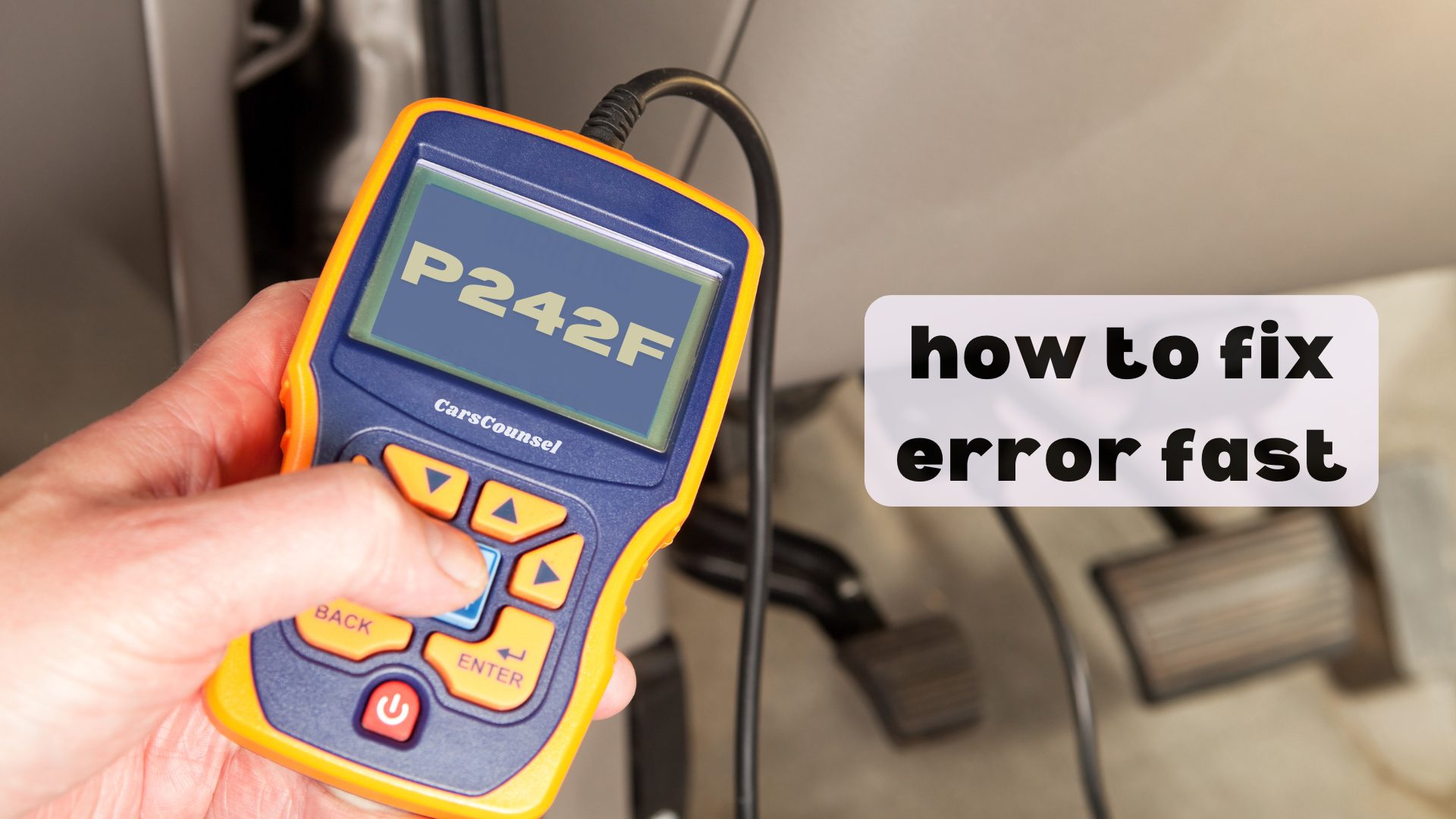
Quick Navigation
Key Takeaways
- P242F indicates the powertrain control module has detected excessive ash accumulation within the Diesel Particulate Filter.
- Unlike soot, ash is a non-combustible byproduct of engine oil and fuel additives that cannot be cleared through standard regeneration.
- Possible causes include normal filter aging, excessive engine oil consumption, or the use of incorrect high-SAPS engine oil.
- Repairs involve professional off-car DPF cleaning or replacement, followed by resetting the ash counter with a scan tool.
P242F Code Description and Implications
P242F is a generic diagnostic trouble code indicating Diesel Particulate Filter (DPF) restriction due to ash accumulation. The powertrain control module (PCM) monitors the pressure differential across the DPF to calculate soot and ash loads.
While soot is periodically burned off during active or passive regenerations, ash is a non-combustible residue derived from engine oil additives and fuel impurities. Over time, ash permanently accumulates in the filter channels.
When the calculated ash volume reaches a calibrated threshold, the PCM sets P242F. This code signals that the filter is nearing or has reached the end of its service interval and requires physical maintenance.
Common Causes of the P242F Code
- Normal end-of-life ash accumulation requiring scheduled DPF maintenance.
- Excessive engine oil consumption due to worn piston rings, valve stem seals, or turbocharger seals.
- Use of incorrect high-SAPS (Sulfated Ash, Phosphorus, Sulfur) engine oil instead of the required low-SAPS specification.
- A faulty differential pressure sensor providing inaccurate restriction readings to the PCM.
- Frequent failed regenerations leading to excessive fuel dilution and accelerated filter degradation.
Symptoms Associated With P242F
- Illuminated Check Engine Light and DPF warning indicator.
- Reduced engine power or the vehicle entering a limp mode to protect the exhaust system.
- Decreased fuel economy and poor engine performance.
- Inability of the PCM to initiate or complete active DPF regenerations.
Diagnosing the P242F Trouble Code
Diagnosing P242F requires verifying the actual physical state of the DPF and identifying why ash accumulated prematurely, if applicable.
First, retrieve all error codes and freeze-frame data. Check for related sensor or regeneration codes that might provide more specific direction.
Next, use a scan tool to monitor the DPF differential pressure sensor readings at idle and under load. Compare the live data with the manufacturer’s specifications.
Inspect the engine for signs of excessive oil consumption or coolant leaks, which can rapidly contaminate the DPF. Verify that the correct low-SAPS engine oil is being used.
Finally, if the sensor and engine conditions are normal, the DPF likely requires professional off-car cleaning or replacement.
Repairing the P242F Issue
Repairs must address the confirmed root cause of the restriction.
If the DPF is simply at its normal ash service interval, have the filter professionally removed and cleaned using specialized off-car pneumatic or thermal cleaning equipment.
If excessive oil consumption is confirmed, repair the underlying mechanical engine issue before reinstalling the cleaned DPF.
If the differential pressure sensor is faulty or its hoses are melted and restricted, replace the sensor and hoses.
After any physical DPF service, use an advanced scan tool to reset the PCM’s internal ash counter and perform any required adaptation procedures.
Cost Considerations for P242F Repairs
Cost depends on diagnostic time, component accessibility, required parts, programming requirements, and labor.
Professional off-car DPF cleaning involves moderate labor for removal and installation, plus the cleaning service fee. Replacing a DPF assembly is substantially more expensive. Addressing underlying engine oil consumption issues can involve significant mechanical repair costs.
Prevention Strategies for Future Occurrences
Always use the exact low-SAPS engine oil specification recommended by the manufacturer. Standard oils contain higher ash-forming additives that will rapidly clog a DPF.
Maintain the engine to prevent excessive oil consumption. Addressing minor oil leaks or turbocharger wear promptly prevents oil from entering the exhaust stream and contaminating the filter.
Ensure the vehicle is driven under conditions that allow for passive and active regenerations to complete successfully.
Troubleshooting Tips and Best Practices
Do not attempt to clear an ash restriction code simply by forcing a parked regeneration. Regenerations only burn soot; they cannot remove ash.
Check for technical service bulletins regarding DPF ash counter resets or differential pressure sensor updates for your specific make and model.
Never ignore underlying engine mechanical issues. Installing a clean DPF on an engine that burns excessive oil will result in rapid repeat failures.
More OBD-II Codes
| P2419 | P2407 | P2404 | P2402 |
| P2401 | P2263 | P2431 | P2433 |
| P2534 | P2600 | P2601 | P2723 |
| P2002 | P2004 | P2005 | P2006 |
| P2008 | P2009 | P2200 | P2048 |
| P2033 | P2035 | P2055 | P2072 |
Frequently Asked Questions
Is P242F a generic or manufacturer-specific code?
Yes. P242F is a generic OBD-II code. It has a standardized definition across all diesel vehicles, indicating excessive ash accumulation within the Diesel Particulate Filter.
Can a parked regeneration clear a P242F code?
No. Active and parked regenerations only burn combustible soot. Ash is a non-combustible residue from engine oil that must be physically removed through professional off-car cleaning or filter replacement.
Will using the wrong engine oil trigger P242F?
Yes. Using standard high-SAPS engine oil instead of the required low-SAPS specification introduces excess ash-forming additives into the exhaust, rapidly clogging the DPF and triggering this code.
Can a bad differential pressure sensor cause P242F?
Yes. If the differential pressure sensor fails or its monitoring hoses become restricted, it can send false high-restriction signals to the PCM, causing it to incorrectly calculate an excessive ash load.
Is it safe to drive with a P242F code?
Driving with a severely restricted DPF is risky. It can cause excessive exhaust backpressure, leading to severe power loss, turbocharger damage, or engine stalling. The vehicle should be serviced promptly.
What Should You Do About the P242F Code?
Confirm the exact factory diagnostic procedure for your specific vehicle application. Because P242F indicates physical filter restriction, verifying the differential pressure sensor and checking for underlying oil consumption is required.
Inspect the DPF and relevant exhaust components for confirmed faults. Have the filter professionally cleaned or replaced if ash accumulation is confirmed, then reset the ash counter to verify the repair.

