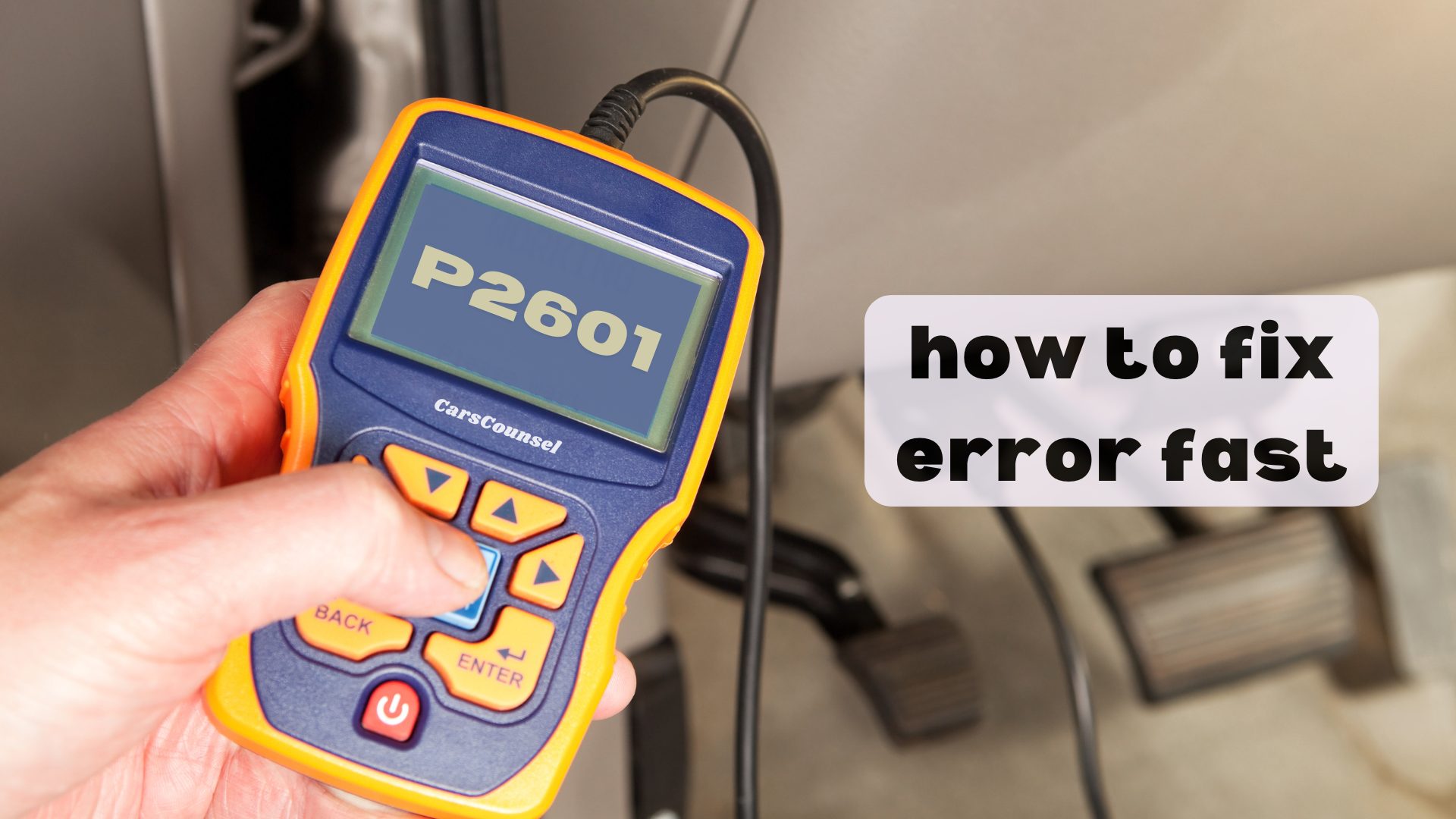
The P2601 code is a generic OBD-II OBD2 problem indicating a range or performance fault in the “A” auxiliary coolant pump control circuit. This electric pump manages cooling for specific systems like turbochargers, inverters, or cabin heaters.
Because this is a generic code, the exact diagnostic procedure varies by vehicle application. The code signals a detected performance issue, but testing is required to identify the root cause before replacing any components.
Quick Navigation
Key Takeaways
- P2601 is a generic OBD-II code indicating a range or performance fault in the auxiliary coolant pump “A” control circuit.
- The code signals a detected performance issue, but does not automatically prove the coolant pump itself has failed.
- Possible causes include a failing pump motor, air pockets in the cooling system, damaged wiring, or low coolant levels.
- Diagnosis requires verifying coolant levels, bleeding the system, and testing the pump circuit before replacing components.
P2601 Code Description and Implications
The P2601 code indicates that the Powertrain Control Module (PCM) or a dedicated thermal management module has detected a range or performance issue in the control circuit for auxiliary coolant pump “A”.
Unlike the main mechanical water pump driven by the engine, this auxiliary electric pump circulates coolant for specific components. These often include turbocharger cooling circuits, hybrid inverter cooling loops, or cabin heater cores.
When the module commands the pump to run, it monitors the circuit feedback or expected temperature changes. If the pump draws incorrect amperage, fails to achieve target speed, or if the expected temperature drop does not occur, the module stores this generic code.
Common Causes of the P2601 Code
- A failing or seized auxiliary coolant pump motor drawing excessive or insufficient current.
- Air pockets trapped in the auxiliary cooling loop preventing proper coolant circulation.
- Low coolant levels in the main or auxiliary reservoir.
- Damaged, chafed, or shorted wiring and corroded connectors in the pump control circuit.
- A faulty coolant pump relay or internal control module driver fault.
Symptoms Associated With P2601
- Illuminated Check Engine Light.
- Reduced cabin heater performance due to lack of hot coolant flow to the heater core.
- Turbocharger overheating warnings or reduced boost pressure on applications using the pump for after-run cooling.
- Hybrid system temperature warnings or reduced power output on applications using the pump for inverter cooling.
Diagnosing the P2601 Trouble Code
Diagnosis begins by verifying the exact auxiliary cooling system layout for the vehicle, as some applications have multiple electric coolant pumps. Using a scan tool capable of commanding the auxiliary pump and viewing thermal data is necessary.
The diagnostic path generally involves:
- Checking the coolant level in both the main radiator and any auxiliary reservoirs, and inspecting for visible leaks.
- Bleeding the auxiliary cooling system to remove trapped air pockets that can cause the pump to cavitate or spin without moving fluid.
- Commanding the pump with a scan tool and listening for operation or feeling the hoses for temperature changes.
- For sensor-circuit implementations, verifying the applicable power, ground, and control circuits according to the manufacturer procedure.
Repairing the P2601 Issue
Repairs must follow the confirmed root cause identified during the diagnostic procedure. If low coolant or air pockets are found, topping off the fluid and properly bleeding the system is necessary.
If wiring damage or connector corrosion is found, repairing the harness and securing the connections is required.
If the auxiliary coolant pump fails the manufacturer’s electrical tests, draws out-of-specification amperage, or is mechanically seized, replacing the confirmed failed component is necessary.
Cost Considerations for P2601 Repairs
Repair costs for a P2601 code vary based on the exact vehicle application, the confirmed root cause, and local labor rates.
If the issue is limited to a system bleed, topping off coolant, or a minor wiring repair, costs may be minimal.
Replacing an auxiliary coolant pump involves moderate parts and labor expenses, though accessibility can vary significantly depending on whether the pump is located in the engine bay, behind a bumper, or within a hybrid inverter assembly.
Prevention Strategies for Future Occurrences
Because P2601 relates to the auxiliary cooling circuit, preventing the code depends on the exact failure mechanism. Maintaining the correct coolant level and using the manufacturer-specified coolant type can help prevent internal pump corrosion and cavitation.
When servicing the main cooling system or replacing components, properly bleeding all auxiliary loops is necessary to prevent air pockets from damaging the electric pump motor.
Troubleshooting Tips and Best Practices
Always verify the exact system layout before testing. Some vehicles use one auxiliary pump for the turbocharger and a completely separate pump for the cabin heater or hybrid inverter. Identifying exactly which pump is designated as “A” is required.
Avoid replacing the coolant pump without first checking for air in the system. An air-locked pump will spin freely without moving fluid, triggering a performance code even though the electrical motor is functioning normally.
Ensure that any cooling system repairs are followed by the exact manufacturer bleeding procedures, as simply pouring coolant into the reservoir is rarely sufficient to purge complex auxiliary loops.
More OBD-II Codes
| P2534 | P2433 | P2431 | P242F |
| P2419 | P2407 | P2600 | P2723 |
| P2942 | P3000 | P3300 | P3400 |
| P0117 | P0118 | P0111 | P0112 |
| P0113 | P0480 | P0481 | P0598 |
| P0599 | P1189 | P1190 | P1191 |
Frequently Asked Questions
Is the P2601 code generic or manufacturer-specific?
Yes. P2601 is a generic OBD-II code used across multiple manufacturers. However, the exact auxiliary cooling system layout and diagnostic procedure depend on the specific vehicle application.
Can I drive my car with a P2601 code?
It depends on the application. If the pump cools a turbocharger or hybrid inverter, driving may cause severe overheating and component damage. If it only controls the cabin heater, drivability may be unaffected.
Will bleeding the cooling system fix a P2601 code?
Bleeding the system will only help if trapped air is causing the pump to cavitate or spin without moving fluid. It will not repair a seized motor, broken wire, or failed relay.
Can low coolant cause a P2601 code?
Yes. If the coolant level drops below the auxiliary pump pickup, the pump will draw air instead of fluid. This causes a performance fault and triggers the code without any electrical component failure.
Does P2601 always mean the coolant pump is broken?
No. The code indicates a detected range or performance condition. The root cause could be an air pocket, low coolant level, or wiring issue, requiring diagnosis before replacing the pump.
What Should You Do About the P2601 Code?
Confirm the exact auxiliary cooling system layout and factory diagnostic procedure for your specific vehicle application. Because P2601 is a generic code, the location and function of coolant pump “A” will vary between different thermal management designs.
Follow the applicable manufacturer diagnostic procedure to test the relevant system and components. Once the root cause is confirmed, complete the necessary repairs, properly bleed the cooling system, and verify the pump operation before returning the vehicle to service.

