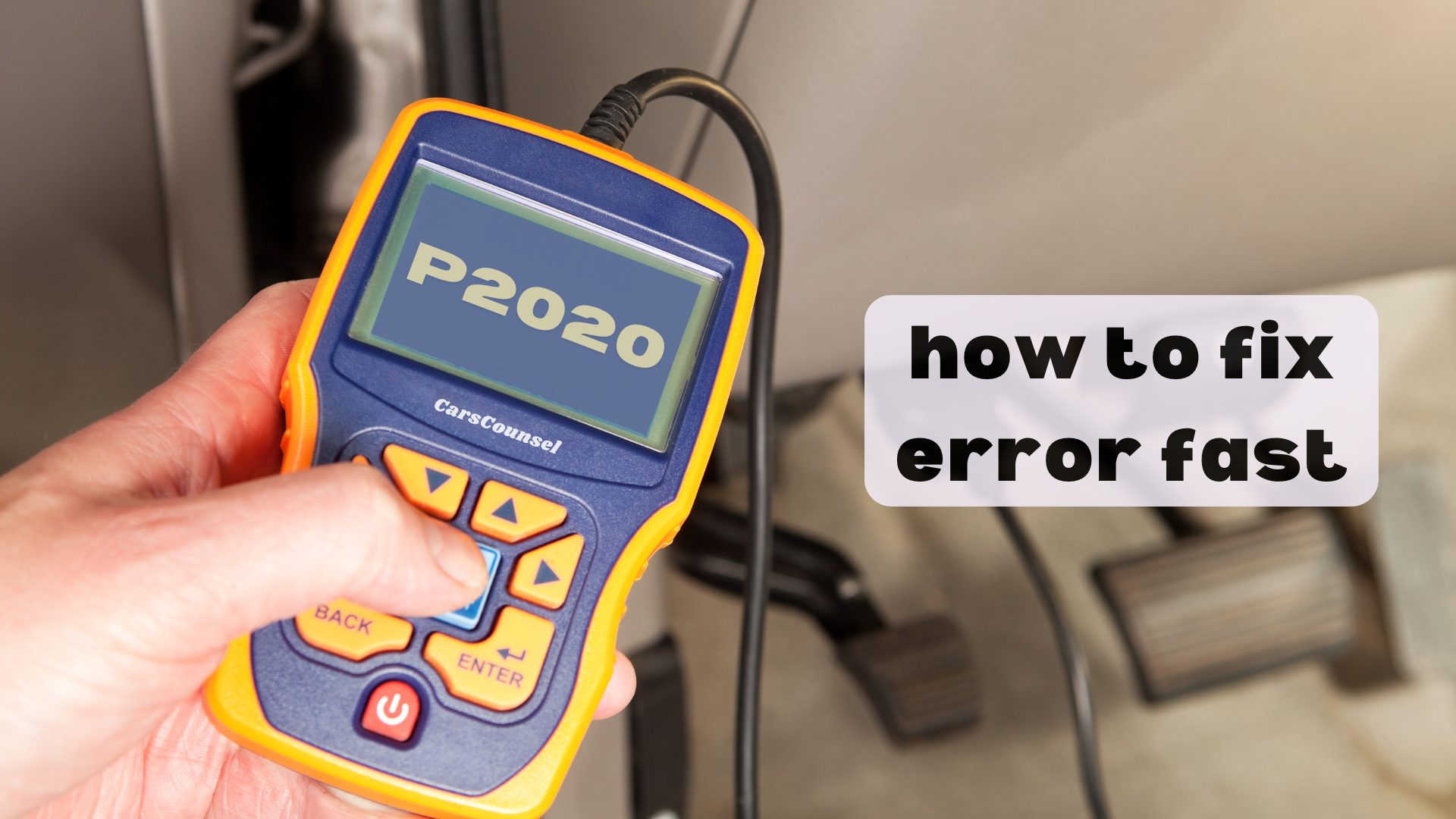
The P2020 code is a generic OBD-II diagnostic trouble code indicating “Intake Manifold Runner Position Sensor/Switch Circuit Range/Performance Bank 2.” It means the powertrain control module detected an illogical signal from the Bank 2 runner position sensor.
This code does not automatically prove the sensor has failed. Diagnosis requires verifying the mechanical movement of the intake runners, checking the sensor circuit, and inspecting for carbon buildup.
Quick Navigation
Key Takeaways
- The P2020 code indicates the control module detected an out-of-range or illogical signal from the Bank 2 intake manifold runner position sensor.
- Possible causes include binding intake flaps due to carbon buildup, a faulty position sensor, damaged wiring, or a failed actuator.
- Diagnosis involves inspecting the mechanical linkage for binding and testing the sensor circuit reference, signal, and ground.
- Repairs may involve cleaning carbon deposits, replacing the position sensor, or repairing the intake manifold assembly.
P2020 Code Description and Implications
The P2020 code indicates that the powertrain control module detected a range or performance issue with the intake manifold runner control position sensor on Bank 2. This is a generic trouble code applicable to many vehicles equipped with variable intake manifolds.
Modern engines use internal flaps to optimize airflow velocity at low RPMs and open them for maximum volume at higher RPMs. The position sensor provides feedback to confirm the flaps are moving correctly.
When the module commands the runners to move but the sensor feedback does not match the expected position, or the signal voltage falls outside the normal operating range, this code is stored.
Common Causes of the P2020 Code
Heavy carbon accumulation inside the intake manifold is a known cause on direct-injection engines. Carbon deposits can physically bind the runner flaps, preventing them from rotating and causing a range or performance fault.
A failing or contaminated Bank 2 IMRC position sensor can send erratic or incorrect voltage signals to the powertrain control module.
Wiring damage, corroded connectors, or poor grounds in the sensor circuit can disrupt the 5-volt reference, signal, or ground paths.
Mechanical failure of the actuator motor, vacuum diaphragm, or the internal linkage connecting the actuator to the flaps will also prevent proper movement.
Symptoms Associated With P2020
An illuminated Check Engine Light is expected once the monitor detects the sensor deviation. MIL behavior varies by application, but the light commands when the fault is verified.
Drivers may notice reduced engine power, hesitation during acceleration, or a rough idle. Because the intake runners may be stuck in one position, the engine cannot optimize airflow across different RPM ranges.
In some applications, the vehicle may enter a reduced-power limp mode to protect the engine from potential damage caused by incorrect airflow.
Diagnosing the P2020 Trouble Code
Diagnosis must begin by confirming the exact factory definition and checking for related IMRC or sensor circuit codes. Record freeze-frame data to see the engine load and RPM when the code set.
Perform a thorough visual inspection of the Bank 2 intake manifold area. Check the external linkage for binding, disconnected rods, or obvious mechanical damage. Look for signs of heavy carbon buildup.
Use a scan tool to command the intake manifold runner control actuator while monitoring the position sensor PID. If the PID does not change or matches an out-of-range value, the fault is isolated.
Test the sensor circuit with a multimeter. Verify the 5-volt reference, sensor ground, and signal wire continuity according to the manufacturer wiring diagram.
Repairing the P2020 Issue
Repairs must follow confirmed diagnosis. If carbon buildup is physically binding the flaps, the intake manifold may need to be removed for thorough manual cleaning or chemical decarbonization.
If the external linkage is broken or the actuator fails testing, replace the confirmed failed mechanical or electrical component.
If electrical testing confirms a failed position sensor, replace it using a component meeting the exact vehicle specification. Repair any damaged wiring before clearing the codes.
In severe cases where the internal flaps or shafts are broken, the entire intake manifold assembly requires replacement.
Cost Considerations for P2020 Repairs
Cost depends on diagnostic time, component accessibility, required parts, programming requirements, and labor.
Cleaning carbon deposits or replacing an externally mounted sensor involves moderate parts and labor expenses.
If the intake manifold must be removed for deep cleaning or complete assembly replacement due to internal mechanical breakage, labor hours and parts costs increase significantly.
Prevention Strategies for Future Occurrences
On direct-injection engines prone to intake valve and manifold carbon buildup, following manufacturer-recommended service intervals for induction system cleaning may help prevent the flaps from seizing over time.
Inspecting exposed wiring harnesses and sensor connectors during routine engine bay checks can help identify developing deterioration before it causes a circuit fault.
Some failures, such as internal mechanical breakage of the runner shafts, cannot be reliably prevented through standard maintenance.
Troubleshooting Tips and Best Practices
Never assume the intake manifold runner control actuator or the position sensor has failed simply because the code points to a range or performance fault. The mechanical linkage may be binding.
When testing the sensor circuit, ensure you are measuring the correct pins for the 5-volt reference, signal, and ground. Back-probing the connector while the system is active can help verify the live signal.
Check for related technical service bulletins for your exact vehicle application. Some manufacturers release updated intake manifold designs or software calibrations to address chronic runner binding issues.
More OBD-II Codes
| P2014 | P2012 | P2009 | P2008 |
| P2007 | P2006 | P2022 | P2033 |
| P2035 | P2048 | P2055 | P2066 |
| P2004 | P2005 | P2015 | P0101 |
| P0171 | P0174 | P0411 | P0420 |
| P0300 | P0455 | P0135 | P0440 |
Frequently Asked Questions
Is the P2020 code generic or manufacturer-specific?
The P2020 code is a generic SAE OBD-II diagnostic trouble code. However, the exact design of the intake manifold runner control system and diagnostic steps vary by manufacturer and engine application.
Can I drive my vehicle with a P2020 code?
You may be able to drive the vehicle, but you will likely experience reduced power and hesitation. Prolonged driving with bound intake flaps could lead to further intake manifold damage, so prompt diagnosis is recommended.
Will cleaning the intake manifold fix the P2020 code?
If carbon buildup is physically preventing the runner flaps from rotating, a thorough cleaning may resolve the issue. However, if the mechanical linkage is broken or the sensor has failed, cleaning alone will not fix the code.
Does a P2020 code mean I need a new intake manifold?
Not necessarily. The root cause could be a simple wiring issue, a failed external sensor, or carbon buildup. The intake manifold only requires replacement if internal components are confirmed broken or unserviceable.
Can a bad position sensor trigger a P2020 code?
Yes. If the runner position sensor fails or its wiring becomes damaged, it may send an incorrect signal to the powertrain control module, indicating a range or performance fault even if the flaps are moving correctly.
What Should You Do About the P2020 Code?
Confirm the exact factory definition and check for related codes for your specific vehicle application. Follow the applicable manufacturer diagnostic procedure to verify whether the fault lies in the mechanical linkage, sensor circuit, or carbon buildup.
Once testing confirms the root cause, repair or replace the confirmed failed component, then retest the system to ensure the intake runners operate correctly across all engine loads.

