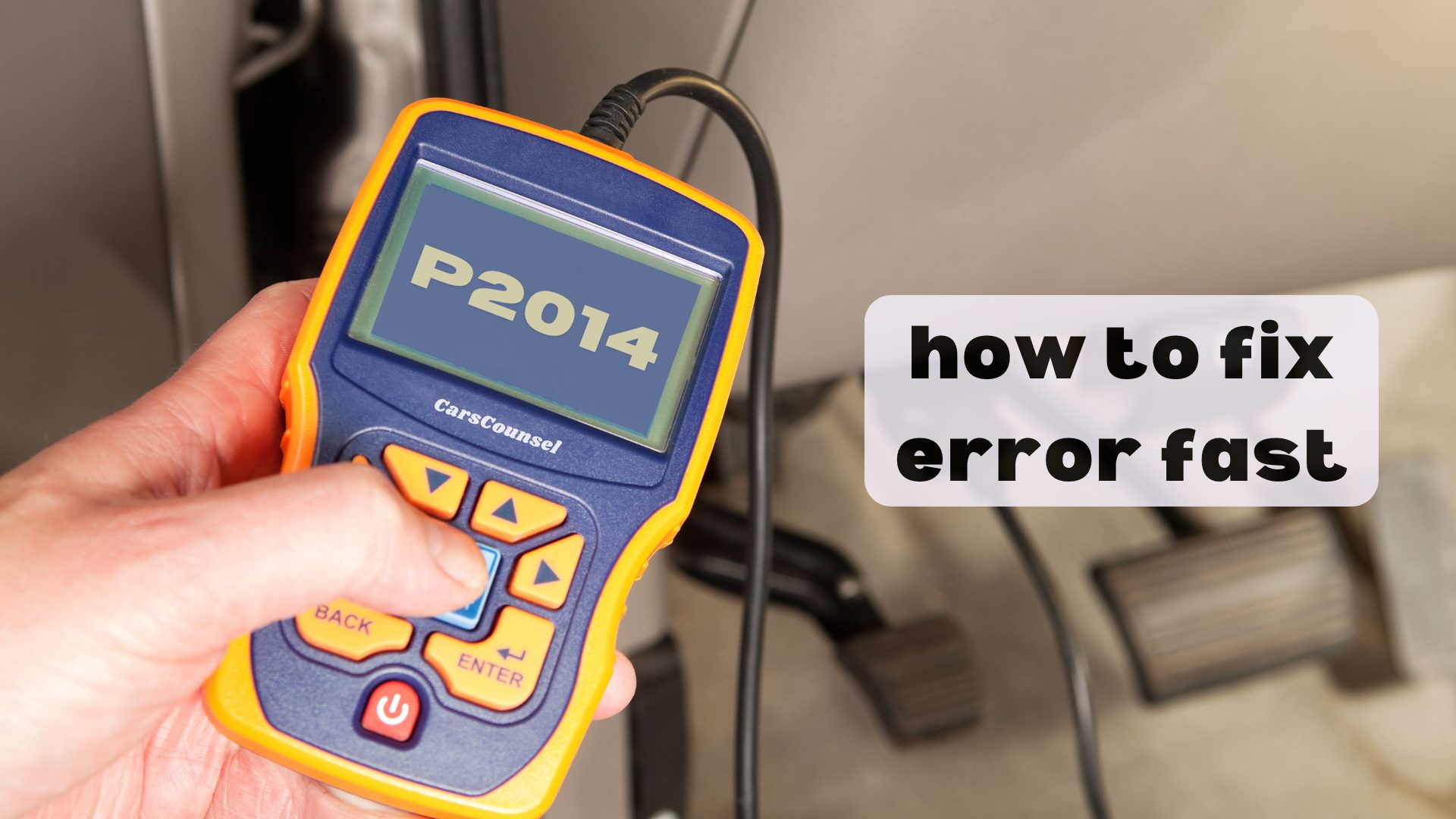
P2014 is a generic OBD-II diagnostic trouble code indicating the powertrain control module detected a malfunction in the intake manifold runner position sensor circuit on Bank 1.
This code identifies an electrical condition in the sensor circuit rather than confirming a single failed component. Targeted diagnosis is required to identify the root cause.
Quick Navigation
Key Takeaways
- P2014 indicates the control module detected an electrical fault in the Bank 1 intake manifold runner position sensor circuit.
- Possible causes include a failed position sensor, damaged wiring, poor connections, or carbon buildup binding the runners.
- Diagnosis requires inspecting the sensor wiring, testing the reference and signal circuits, and verifying runner movement.
- Repairs depend on the confirmed root cause and may involve replacing the sensor or repairing the wiring harness.
P2014 Code Description and Implications
P2014 is a generic OBD-II code indicating the powertrain control module (PCM) detected a fault in the intake manifold runner position sensor circuit on Bank 1.
The intake manifold runner control (IMRC) system uses internal flaps to alter the length of the intake runners, optimizing airflow for different engine speeds.
The position sensor provides feedback to the PCM regarding the actual physical position of these flaps.
When the PCM detects an open, short, or implausible signal from the Bank 1 position sensor, it logs this code.
Because P2014 is a generic code, this monitoring logic applies across various vehicles from multiple manufacturers.
When diagnosing an error code related to the intake system, verifying the exact factory wiring diagram is critical.
Common Causes of the P2014 Code
The underlying causes for an intake manifold runner position sensor circuit malfunction generally involve the sensor itself, the wiring harness, or mechanical binding.
Failed IMRC Position Sensor: The internal sensor element may be damaged, providing incorrect or no voltage signal to the PCM.
Wiring or Connector Issues: Chafed wires, broken pins, or corrosion at the sensor connector can interrupt the reference, signal, or ground circuits.
Mechanical Binding: Heavy carbon buildup inside the intake manifold can physically bind the runner flaps, potentially damaging the sensor wiper or actuator linkage.
Control Module Fault: An internal failure within the PCM’s sensor monitoring circuit is possible but less common.
Symptoms Associated With P2014
The prominent symptom is the illumination of the Check Engine Light.
The vehicle may experience reduced power, poor acceleration, or a rough idle because the intake runners may default to a safe position or fail to optimize airflow.
In some applications, the PCM may command a limp mode to protect the engine from potential over-revving or detonation caused by incorrect airflow.
Diagnosing the P2014 Trouble Code
Diagnosis must begin by confirming the exact factory service information and locating the Bank 1 IMRC position sensor.
Inspect the wiring harness and connectors at the sensor and the PCM for physical damage, corrosion, or heat exposure.
Use a digital multimeter to verify the sensor reference voltage, ground circuit integrity, and signal voltage while manually moving the runner linkage if accessible.
Use a scan tool to monitor the IMRC position sensor PID while commanding the actuator to open and close, checking for smooth data correlation.
Repairing the P2014 Issue
Repairs must follow confirmed diagnosis. Never replace the PCM solely based on the presence of the code.
If the wiring harness is damaged, repair the wires and secure the harness away from hot or moving components.
If connectors are corroded, clean the terminals or replace the pigtail connector to restore a solid electrical connection.
If electrical testing confirms the position sensor is internally failed, replace the sensor using a component meeting the correct vehicle specification.
If the intake runners are internally seized due to carbon buildup, the intake manifold assembly may require cleaning or replacement.
Cost Considerations for P2014 Repairs
Repair costs vary considerably depending on the confirmed root cause and the specific vehicle application.
Replacing an external position sensor involves standard parts costs and minimal labor.
Repairing damaged wiring involves moderate labor costs depending on harness accessibility.
Replacing the entire intake manifold due to internal flap failure involves significant parts costs and extensive labor.
Cost depends on diagnostic time, component accessibility, required parts, programming requirements, and labor.
Prevention Strategies for Future Occurrences
Preventing IMRC faults requires minimizing carbon accumulation inside the intake manifold.
Using top-tier detergent gasoline and following the manufacturer’s recommended fuel system maintenance schedule can help reduce carbon buildup.
Inspecting exposed IMRC linkage and sensor wiring during routine service can help identify developing damage before it causes a circuit fault.
Troubleshooting Tips and Best Practices
Always check for Technical Service Bulletins related to P2014 for your specific vehicle application.
Manufacturers frequently release updated IMRC actuators, revised intake manifold designs, or specific linkage repair kits for known carbon-binding issues.
Do not assume the entire engine requires internal mechanical repairs simply because an intake airflow code is present.
A broken plastic clip, a seized external motor, or a chafed wire can produce the code without major internal engine damage.
More OBD-II Codes
| P2004 | P2005 | P2006 | P2007 |
| P2008 | P2009 | P2015 | P2020 |
| P2022 | P2033 | P2035 | P2048 |
| P2012 | P2072 | P2073 | P2074 |
| P0101 | P0171 | P0174 | P0420 |
| P0300 | P0430 | P0172 | P0455 |
Frequently Asked Questions
Is the P2014 code generic or manufacturer-specific?
P2014 is a generic SAE-defined OBD-II code. Its fundamental definition regarding the Bank 1 intake manifold runner position sensor circuit applies across various manufacturers.
Can carbon buildup cause a P2014 code?
Yes. Heavy carbon deposits can physically bind the IMRC flaps or the external linkage. This binding can damage the position sensor wiper or cause the signal to read out of range.
Will disconnecting the battery clear the P2014 code?
Disconnecting the battery may temporarily clear the code, but it does not repair the underlying electrical or mechanical fault. It also erases valuable freeze frame data.
Can I drive my vehicle with a P2014 code?
Driving is possible but not recommended for extended periods. The vehicle will likely suffer from reduced power, and prolonged binding may damage the actuator motor or sensor.
Does P2014 mean the intake manifold must be replaced?
Not necessarily. While internal flap failure requires manifold replacement, a failed external sensor, broken linkage clip, or wiring issue can also trigger the code.
What Should You Do About the P2014 Code?
Confirm the exact factory definition and diagnostic procedure for your specific vehicle application before attempting repairs.
Do not assume the intake manifold requires replacement based solely on the presence of the diagnostic trouble code.
Inspect the IMRC sensor wiring, verify connector integrity, and test the signal circuits to rule out external faults.
Follow the applicable manufacturer diagnostic workflow to isolate the relevant system and components before replacing any hardware.

