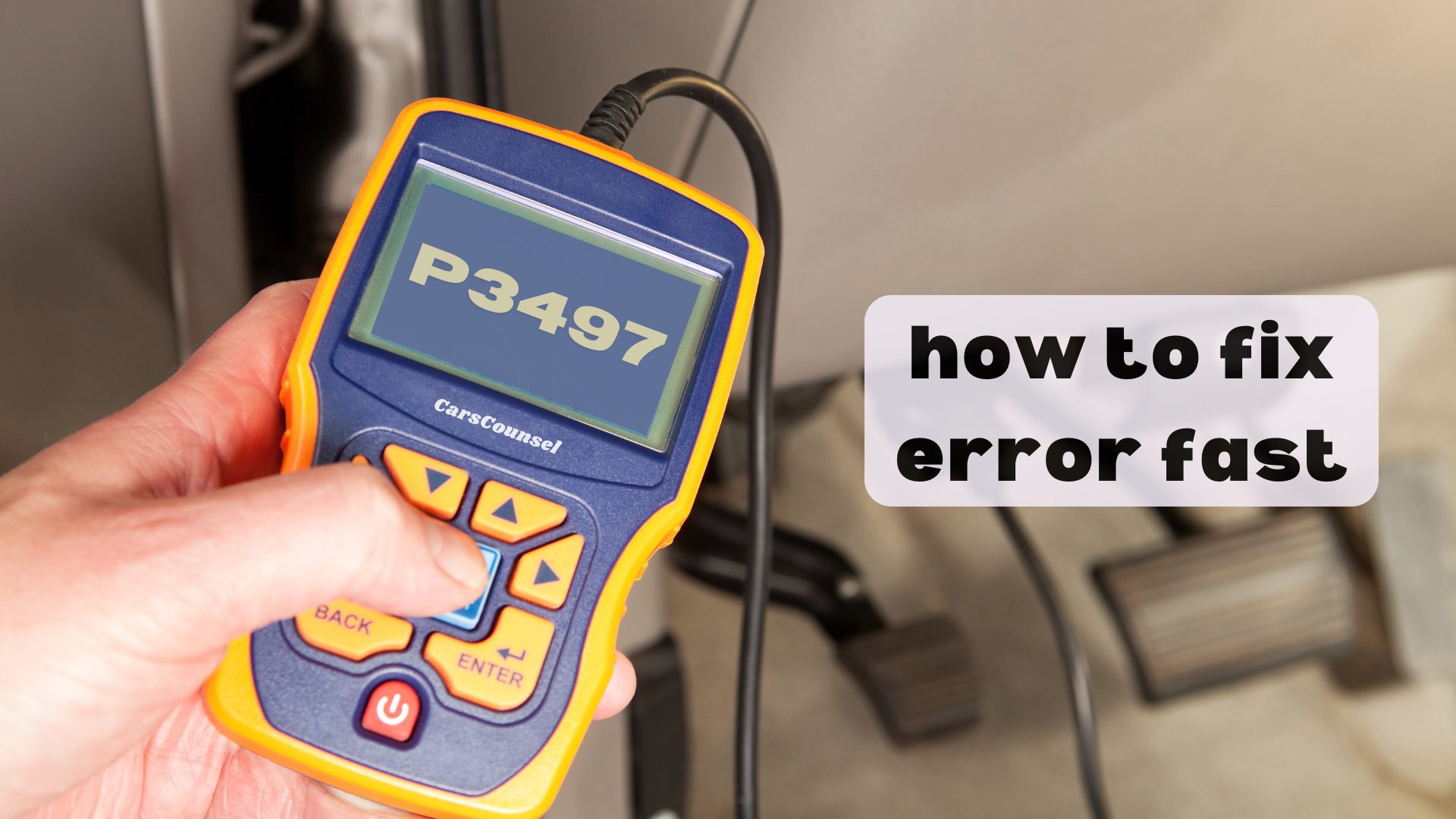
P3497 is a manufacturer-specific OBD-II diagnostic trouble code, primarily indicating a malfunction in the Cylinder Deactivation System on Bank 2.
This code identifies a detected condition within the variable cylinder management system rather than confirming a single failed component. The underlying cause requires targeted diagnosis based on the exact factory definition.
Quick Navigation
Key Takeaways
- P3497 indicates a fault in the Cylinder Deactivation System on Bank 2, primarily on Honda and Acura vehicles equipped with Variable Cylinder Management (VCM).
- Possible causes include low or degraded engine oil, clogged oil passages, a failed VCM solenoid, or a faulty rocker arm oil pressure switch.
- Diagnosis requires verifying the engine oil level and condition, testing system oil pressure, and inspecting the VCM electrical components.
- Repairs depend on the confirmed root cause and may range from an oil service to replacing the VCM solenoid or rocker arm components.
P3497 Code Description and Implications
P3497 is a manufacturer-specific code, meaning its exact definition and diagnostic procedures depend heavily on the vehicle application.
Some Honda and Acura applications: P3497 indicates a fault in the Cylinder Deactivation System on Bank 2. The Variable Cylinder Management (VCM) system deactivates specific cylinders under light-load conditions to improve fuel efficiency.
The system relies on precise engine oil pressure directed by solenoids to lock and unlock the valve rocker arms. If the control module detects that the system cannot properly engage or disengage on Bank 2, it logs this code.
Because it is manufacturer-specific, generic diagnostic paths cannot account for the unique valvetrain architecture. When diagnosing an OBD2 problem, verifying the exact factory definition is the most critical first step.
Common Causes of the P3497 Code
The underlying causes for a cylinder deactivation fault generally involve the lubrication system, the hydraulic control components, or the valvetrain hardware.
Low or Degraded Engine Oil: The VCM system requires specific oil pressure and volume to operate the rocker arm locking pins. Low oil levels or severely degraded oil can prevent proper operation.
Clogged Oil Passages or Filter: Debris or sludge can restrict oil flow to the VCM solenoids or the rocker arm oil pressure switches.
Failed VCM Solenoid or Spool Valve: The solenoid that directs oil pressure to the Bank 2 deactivation mechanism may fail electrically or become mechanically stuck.
Faulty Rocker Arm Oil Pressure Switch: The switch that monitors oil pressure for the deactivation system may fail, sending an incorrect signal to the powertrain control module.
Wiring and Connector Issues: Damaged wiring or corroded connectors in the VCM solenoid or pressure switch circuits can interrupt the signal.
Symptoms Associated With P3497
The prominent symptom is the illumination of the Check Engine Light.
The vehicle may experience reduced fuel economy because the cylinder deactivation system is disabled or malfunctioning.
Engine misfires, rough idling, or excessive vibration may occur, particularly if the deactivation mechanism is partially engaged or if oil fouling has affected the spark plugs.
Depending on the manufacturer’s fail-safe strategies, the vehicle may enter a limp mode or disable the VCM system entirely to protect the engine.
Diagnosing the P3497 Trouble Code
Diagnosis must begin by confirming the exact factory service information for the vehicle’s specific make, model, and engine.
Start by checking the engine oil level and condition. If the oil is low, top it off and clear the code to see if it returns. If the oil is dirty or the wrong viscosity, perform an oil and filter service.
Use a scan tool to monitor the VCM solenoid commands and the rocker arm oil pressure switch states during a test drive.
Test the VCM solenoid and oil pressure switch circuits for proper voltage, ground, and continuity using a digital multimeter.
If the electrical components test correctly, verify actual engine oil pressure with a mechanical gauge and inspect the solenoid screens for debris.
Repairing the P3497 Issue
Repairs must follow confirmed diagnosis. Never replace internal valvetrain components solely based on the presence of the code.
If the engine oil is low or degraded, perform a complete oil and filter service using the manufacturer-specified oil viscosity.
If the VCM solenoid or rocker arm oil pressure switch fails electrical testing, replace the component using a part meeting the correct vehicle specification.
If oil passages are restricted, cleaning the solenoid screens or flushing the relevant oil galleries may be required.
If all external circuits and hydraulic pressures test correctly, follow the manufacturer’s diagnostic procedure to evaluate the internal rocker arms or the powertrain control module.
Cost Considerations for P3497 Repairs
Repair costs vary considerably depending on the confirmed root cause and the specific vehicle application.
An oil and filter service or replacing a rocker arm oil pressure switch involves minimal to moderate parts and labor costs.
Replacing a VCM solenoid or spool valve involves moderate parts costs and standard labor.
Addressing internal valvetrain issues or severe oil passage blockages involves significant labor and higher parts costs.
Cost depends on diagnostic time, component accessibility, required parts, programming requirements, and labor.
Prevention Strategies for Future Occurrences
Preventing cylinder deactivation faults requires strict adherence to the vehicle’s engine oil maintenance schedule.
Changing the engine oil and filter at the manufacturer’s recommended intervals using the exact specified viscosity helps maintain proper hydraulic pressure and prevents sludge buildup in the VCM solenoids.
Monitoring the oil level between services is critical, as these engines can consume oil over time, dropping the level below what the VCM system requires to operate.
Troubleshooting Tips and Best Practices
Always check for Technical Service Bulletins related to P3497 for your specific vehicle application.
Manufacturers may release updated VCM solenoid designs, revised oil pressure switches, or software updates for the powertrain control module to address known deactivation thresholds or oil consumption issues.
Do not assume the engine requires a complete valvetrain rebuild simply because a cylinder deactivation code is present.
A simple low oil level, a clogged solenoid screen, or a faulty pressure switch can produce the P3497 code without internal mechanical failure.
If the vehicle recently underwent an oil change, verify that the correct oil viscosity was used and the filter is properly installed.
More OBD-II Codes
| P3449 | P3441 | P3425 | P3401 |
| P3400 | P3300 | P0300 | P0301 |
| P0302 | P0303 | P0304 | P0305 |
| P0011 | P0014 | P0010 | P0012 |
| P0420 | P0430 | P0171 | P0174 |
| P0135 | P0141 | P0150 | P0155 |
Frequently Asked Questions
Is the P3497 code generic or manufacturer-specific?
No. P3497 is a manufacturer-specific code. Its exact definition depends on the vehicle application, primarily indicating a Cylinder Deactivation System Bank 2 fault on Honda and Acura vehicles.
Can low engine oil cause a P3497 code?
Yes. The cylinder deactivation system relies on precise engine oil pressure to operate the rocker arm locking pins. Low oil levels or degraded oil can prevent the system from engaging, triggering the code.
Will disconnecting the battery clear the P3497 code?
Disconnecting the battery may temporarily clear the code, but it does not repair the underlying mechanical or electrical fault. It also erases valuable freeze frame data, complicating professional diagnosis.
Can I drive my vehicle with a P3497 code?
Driving short distances may be possible, but extended driving is not recommended if the engine is misfiring or vibrating excessively. Continued operation with VCM faults can lead to fouled spark plugs or catalytic converter damage.
Does P3497 mean the VCM solenoid must be replaced?
Not necessarily. While a failed solenoid is a possible cause, low oil level, clogged passages, or a faulty rocker arm oil pressure switch can also trigger the code. The electrical and hydraulic systems must be tested first.
What Should You Do About the P3497 Code?
Confirm the exact factory definition and diagnostic procedure for your specific vehicle application before attempting repairs.
Do not assume the engine requires internal valvetrain repairs based solely on the presence of the diagnostic trouble code.
Inspect the engine oil level and condition, verify the VCM solenoid and pressure switch circuits, and review live data to rule out external faults.
Follow the applicable manufacturer diagnostic workflow to isolate the relevant system and components before replacing any hardware.

