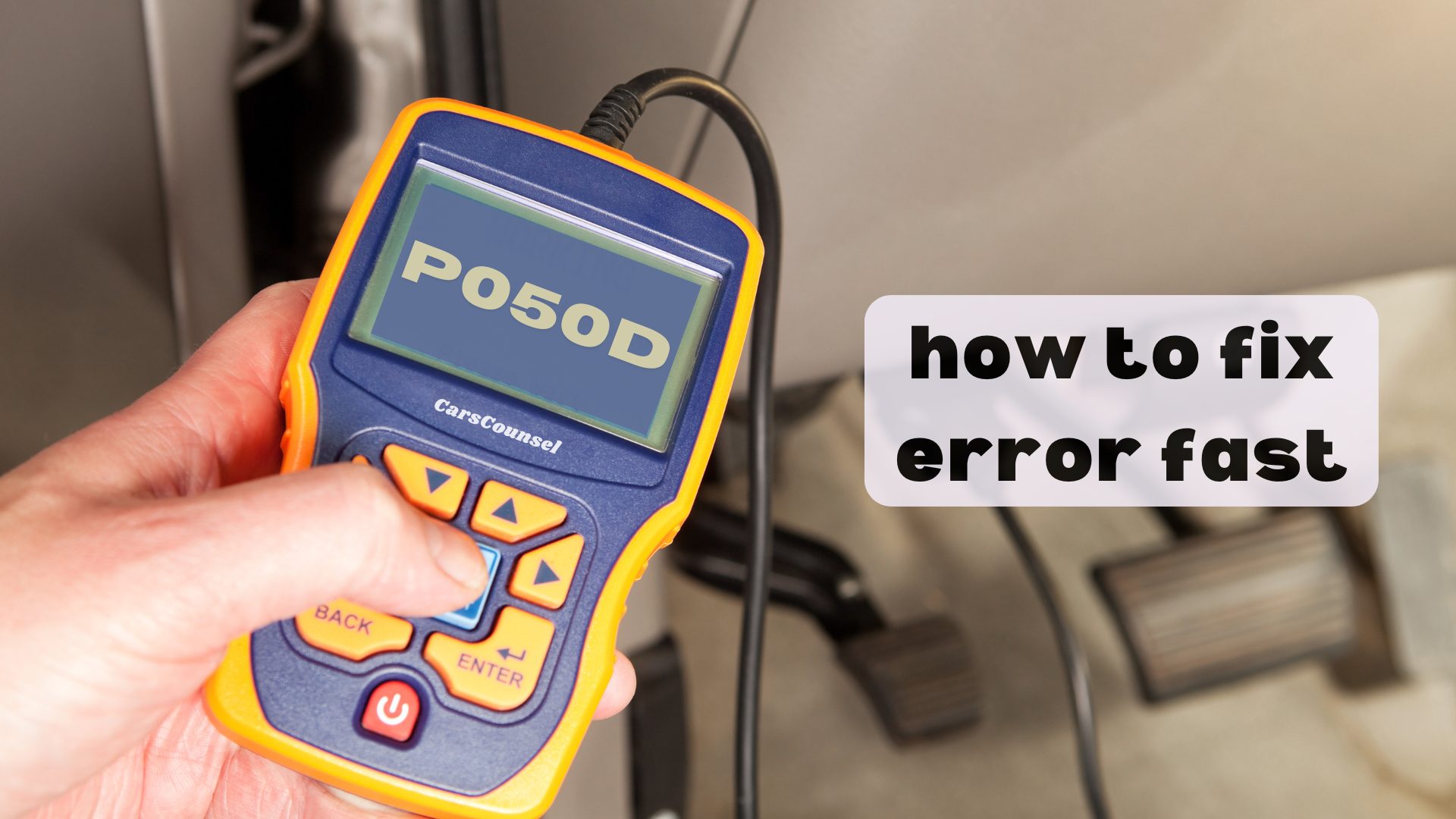
P050D is a generic OBD-II diagnostic trouble code indicating the Powertrain Control Module detected a rough idle condition specifically during a cold engine start. This monitor evaluates crankshaft acceleration and combustion stability before the engine reaches normal operating temperature.
This code identifies a cold-start performance condition rather than confirming a single failed component. The underlying cause could involve fuel injector leaks, carbon buildup, or sensor calibration issues, requiring targeted diagnosis before any parts are replaced.
Quick Navigation
Key Takeaways
- P050D indicates the control module detected uneven combustion or misfiring specifically during the engine’s cold start warmup cycle.
- Possible causes include leaking fuel injectors, heavy carbon buildup on intake valves, or faulty engine coolant temperature sensor readings.
- Diagnosis requires reviewing freeze frame data, checking for cold-start misfire counters, and inspecting components that affect cold enrichment.
- Repairs depend on the confirmed root cause and may involve injector testing, carbon cleaning, or sensor replacement.
P050D Code Description and Implications
P050D indicates that the Powertrain Control Module (PCM) has detected a rough idle condition specifically during a cold engine start.
The onboard monitor evaluates crankshaft acceleration and combustion stability during the initial warmup phase before the engine reaches closed-loop operating temperature.
A rough idle during this phase means the engine is misfiring or running unevenly when cold, which can increase cold-start emissions.
Because P050D is a generic code, this fundamental monitoring logic applies across various manufacturers.
However, the exact diagnostic criteria, threshold values, and common failure points vary significantly depending on the specific engine design.
On many modern direct-injection engines, this code is closely associated with carbon accumulation on the intake valves or fuel injectors leaking overnight.
Common Causes of the P050D Code
The underlying causes for a cold start rough idle code generally involve fuel delivery, air metering, or mechanical engine conditions exaggerated when cold.
Leaking Fuel Injectors: If an injector drips fuel into the cylinder after shutdown, that cylinder becomes flooded. On the next cold start, the overly rich mixture causes a misfire and rough idle.
Carbon Buildup: On direct-injection engines, carbon accumulates on the intake valves. This restricts airflow and disrupts the air-fuel tumble, which is especially problematic during cold starts.
Faulty Engine Coolant Temperature Sensor: If the sensor reports a warmer temperature than actual, the PCM will not provide necessary cold-start fuel enrichment, causing a lean misfire.
Ignition System Issues: Worn spark plugs or failing ignition coils may struggle to ignite the cold, dense air-fuel mixture, leading to cold-start misfires that smooth out as the engine warms.
Symptoms Associated With P050D
The most immediate symptom is the illumination of the Check Engine Light, which may only turn on after several consecutive cold starts where the rough idle is detected.
Drivers will typically feel the engine shaking, vibrating, or running unevenly for the first few minutes after starting the vehicle on a cold morning.
The rough idle usually smooths out and disappears once the engine reaches normal operating temperature and enters closed-loop fuel control.
In severe cases, the vehicle may stall immediately after a cold start or hesitate significantly when accelerating from a stop while the engine is still cold.
Diagnosing the P050D Trouble Code
Diagnosis must begin by confirming the exact factory service information and checking for related misfire codes.
When diagnosing an OBD2 problem related to cold start performance, review the freeze frame data to confirm the code set when the engine coolant temperature was low.
Check the cold-start misfire counters for each cylinder using a capable scan tool. If one specific cylinder shows high misfires only on cold starts, suspect a leaking injector.
Inspect the intake tract for vacuum leaks, which can introduce unmetered air and lean out the cold-start mixture.
If the vehicle uses direct injection and has high mileage, inspect for intake valve carbon buildup, which is a frequent cause of cold-start roughness on these platforms.
Repairing the P050D Issue
Repairs must follow confirmed diagnosis. Never replace components solely based on the presence of the code without verifying cold-start data.
If a leaking fuel injector is confirmed through leak-down testing or cylinder washout analysis, replace the faulty injector and clear the codes.
If heavy carbon buildup is found on the intake valves of a direct-injection engine, perform a professional intake valve cleaning service, such as walnut blasting.
If the engine coolant temperature sensor readings do not match the ambient temperature after a long cold soak, replace the sensor.
If ignition components are worn or failing the cold-start demand, replace the spark plugs or ignition coils as required by the manufacturer procedure.
Cost Considerations for P050D Repairs
Repair costs vary widely depending on the confirmed root cause and the specific vehicle application.
Replacing a single fuel injector or an engine coolant temperature sensor involves moderate parts costs and standard labor.
Professional intake valve carbon cleaning services carry a specific labor rate and require specialized equipment, but are often less expensive than cylinder head removal.
Cost depends on diagnostic time, component accessibility, required parts, programming requirements, and labor.
Prevention Strategies for Future Occurrences
Preventing cold start rough idle codes requires attention to fuel system health and managing carbon accumulation on direct-injection engines.
Using high-quality top-tier fuel and periodic fuel system cleaners can help minimize injector deposits and maintain proper spray patterns.
On direct-injection engines, carbon buildup on the intake valves is a known wear mechanism that cannot always be entirely prevented.
Maintaining a healthy positive crankcase ventilation system can help slow the rate of oil vapor accumulation on the intake valves.
Replacing spark plugs at the manufacturer’s specified intervals ensures the ignition system has adequate reserve voltage to fire reliably during cold, dense mixture conditions.
Troubleshooting Tips and Best Practices
Always check for Technical Service Bulletins related to P050D for your specific vehicle application.
Manufacturers frequently release software updates to adjust cold-start fuel trims or revised positive crankcase ventilation valves to reduce intake carbon accumulation.
Do not assume the idle air control valve or throttle body is the primary cause. P050D specifically targets cold-start combustion stability.
Issues like leaking fuel injectors or intake valve carbon buildup are much more frequent causes of this specific cold-start code.
If the rough idle only happens on the first start of the day and clears up after a restart, a leaking fuel injector is a highly probable cause.
More OBD-II Codes
| P0506 | P0505 | P0504 | P0502 |
| P0501 | P0500 | P0511 | P0513 |
| P0520 | P0521 | P0522 | P0523 |
| P0300 | P0301 | P0302 | P0171 |
| P0172 | P0174 | P0420 | P0430 |
| P0135 | P0141 | P0440 | P0442 |
Frequently Asked Questions
Is the P050D code generic or manufacturer-specific?
P050D is a generic SAE-defined OBD-II code. Its fundamental definition regarding cold start rough idle applies across various manufacturers, though exact diagnostic steps and common failure points vary by vehicle application.
Can a dirty throttle body cause a P050D code?
While a dirty throttle body can affect general idle quality, P050D specifically monitors cold-start combustion stability. Issues like leaking fuel injectors or intake valve carbon buildup are more frequent causes of this specific cold-start code.
Will a P050D code cause my car to fail an emissions test?
Likely, yes. A rough cold start increases unburned hydrocarbon emissions significantly before the catalytic converter reaches operating temperature. This will cause the vehicle to fail an OBD-II inspection due to the active fault code.
Can I drive my vehicle with a P050D code?
Driving is generally safe once the engine warms up and the idle smooths out. However, repeated cold-start misfires can wash oil from the cylinder walls or overheat the catalytic converter, so prompt diagnosis is recommended.
Why does the rough idle only happen on the first start of the day?
This symptom strongly points to a leaking fuel injector. Fuel drips into the cylinder overnight, flooding it. The first start runs rough until the excess fuel burns off, while subsequent warm starts run normally.
What Should You Do About the P050D Code?
Confirm the exact factory definition and diagnostic procedure for your specific vehicle application before attempting repairs.
Do not assume a single sensor or valve has failed based solely on the presence of the diagnostic trouble code.
Review cold-start misfire data, inspect the fuel system for leaks, and check for carbon accumulation on direct-injection engines.
Follow the applicable manufacturer diagnostic workflow to isolate the relevant system and components before replacing any engine hardware.

