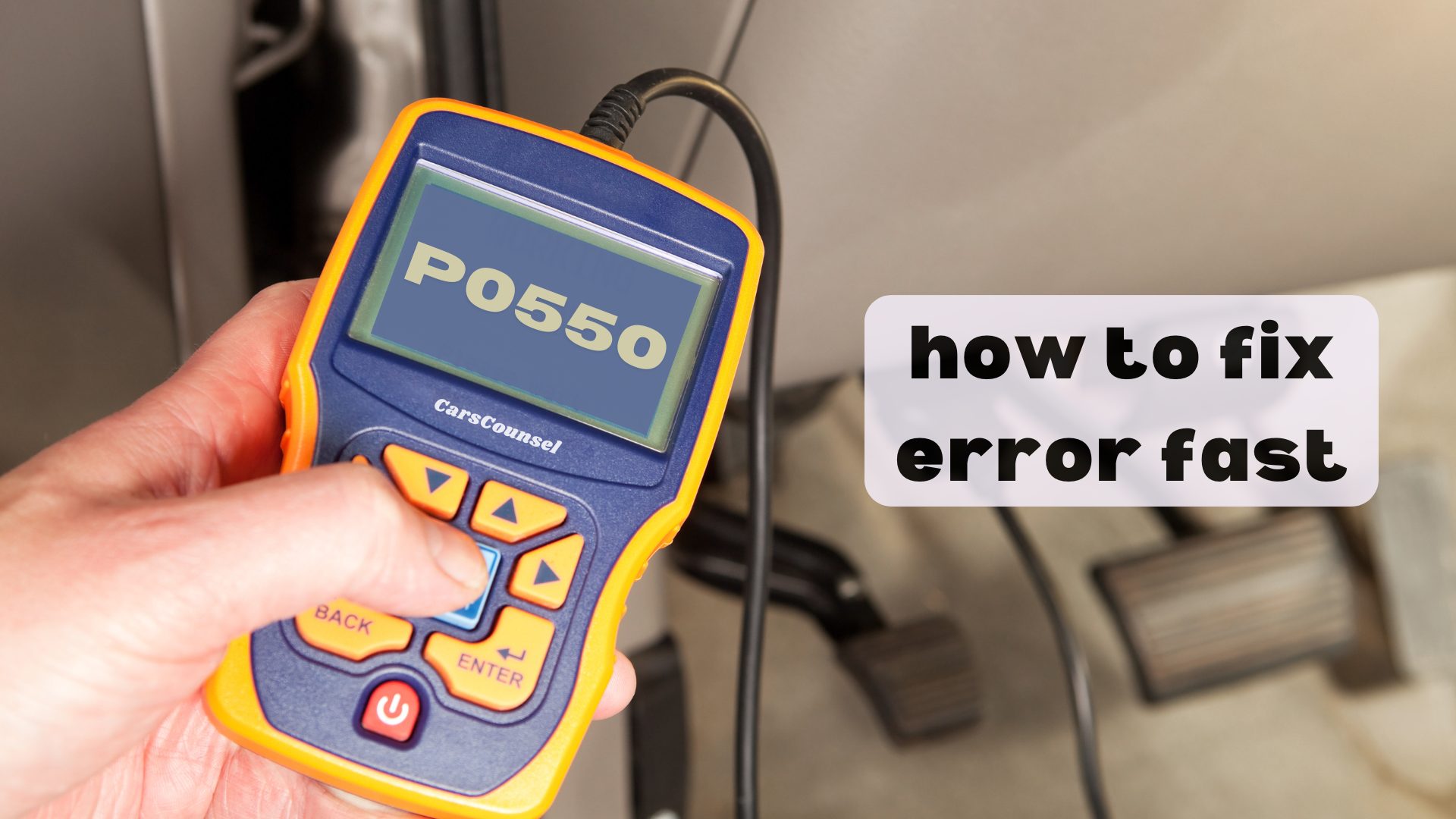
P0550 is a generic OBD-II powertrain code indicating a malfunction in the Power Steering Pressure (PSP) sensor circuit. This standardized code applies across most vehicle manufacturers equipped with hydraulic power steering.
Because this code monitors the electrical circuit of the sensor, it does not automatically prove the sensor has failed. Wiring issues, connector problems, or control module faults must be verified first.
Quick Navigation
Key Takeaways
- P0550 indicates the powertrain control module detected an abnormal voltage signal in the power steering pressure sensor circuit.
- The PSP sensor informs the engine computer when steering load is high so it can adjust the idle speed to prevent stalling.
- Possible causes include damaged wiring, corroded connectors, a failing sensor, or low power steering fluid.
- Diagnosis requires testing the sensor’s reference voltage, signal, and ground circuits before replacing parts.
P0550 Code Description and Implications
P0550 is a generic diagnostic trouble code defined as Power Steering Pressure Sensor Circuit Malfunction.
The powertrain control module uses the PSP sensor to detect high hydraulic pressure in the power steering system, which occurs when turning the steering wheel at low speeds or while parked.
When high steering load is detected, the PCM increases the engine idle speed via the idle air control system to prevent the engine from stalling.
If the PCM detects that the sensor signal voltage is outside the expected range, or if the circuit is open or shorted, it sets P0550.
Common Causes of the P0550 Code
- Damaged, chafed, or broken wiring in the PSP sensor circuit.
- Corroded, loose, or moisture-intruded electrical connectors at the sensor or PCM.
- A failing power steering pressure sensor with an internal electrical fault.
- Low or severely degraded power steering fluid causing erratic pressure readings.
- In rare cases, an internal fault within the powertrain control module.
Symptoms Associated With P0550
- Illuminated Check Engine Light.
- Engine stalling or rough idle when turning the steering wheel at low speeds.
- The engine failing to automatically increase idle speed during high steering load.
- Note: P0550 is an electrical circuit code and does not typically cause a physical loss of power steering assist or stiff steering.
Diagnosing the P0550 Trouble Code
First, retrieve all stored error code entries and freeze-frame data. Check for related idle control or sensor circuit faults.
Verify the power steering fluid level and condition. Low fluid can cause erratic pressure readings that may trigger circuit rationality faults.
Inspect the wiring harness and connectors at the PSP sensor for physical damage, corrosion, or looseness.
Using a digital multimeter, test the sensor’s 5-volt reference, signal return, and ground circuits for continuity and proper voltage according to the manufacturer procedure.
Repairing the P0550 Issue
If wiring damage or connector corrosion is found, repair the harness or replace the connector pigtail.
If the power steering fluid is low or contaminated, perform a fluid service using the manufacturer-specified fluid.
If the sensor fails the electrical testing, replace the power steering pressure sensor.
Clear the codes and perform a test drive, turning the steering wheel lock-to-lock at low speeds to verify the idle speed increases appropriately.
Cost Considerations for P0550 Repairs
Cost depends on diagnostic time, component accessibility, required parts, programming requirements, and labor.
The PSP sensor is typically located on the power steering pump or high-pressure line, making it relatively accessible for replacement.
Prevention Strategies for Future Occurrences
Maintaining the power steering fluid at the correct level and replacing it at recommended intervals helps prevent internal sensor contamination.
Inspecting exposed wiring harnesses near the steering pump and ensuring connector seals are intact can help prevent moisture intrusion and circuit faults.
Troubleshooting Tips and Best Practices
Do not replace the power steering pump or steering rack when a P0550 code appears. This code monitors an electrical input circuit, not the mechanical hydraulic assist system.
Always verify the exact pinout and voltage specifications for your specific vehicle, as reference voltages and signal ranges vary by manufacturer.
Check for technical service bulletins related to PSP sensor wiring harness updates or PCM recalibrations for your specific make and model.
More OBD-II Codes
| P0542 | P0540 | P0533 | P0532 |
| P0526 | P0524 | P0556 | P0560 |
| P0562 | P0563 | P0571 | P0572 |
| P0500 | P0501 | P0505 | P0506 |
| P0100 | P0300 | P0420 | P0171 |
| P0440 | P0335 | P0340 | P0700 |
Frequently Asked Questions
Is P0550 a generic or manufacturer-specific code?
Yes. P0550 is a generic OBD-II code. It has a standardized definition across most vehicle makes, indicating a circuit malfunction in the power steering pressure sensor.
Will a P0550 code cause my power steering to fail?
No. P0550 indicates an electrical issue with the pressure sensor circuit. It does not control the hydraulic assist, so physical steering stiffness usually points to a separate mechanical fault.
Can low power steering fluid trigger a P0550 code?
Yes. Low or aerated fluid can cause erratic pressure readings that the PCM interprets as a sensor circuit rationality or performance fault, potentially triggering this code.
Will disconnecting the battery clear a P0550 code?
Disconnecting the battery may temporarily clear the code, but it does not repair the underlying electrical fault. The code will return if the damaged wire or failed sensor remains uncorrected.
Is it safe to drive with a P0550 code?
Driving is conditionally safe, but you may experience engine stalling when turning the wheel at low speeds, such as when parking. This can create a safety hazard in traffic.
What Should You Do About the P0550 Code?
Confirm the exact factory definition and diagnostic procedure for your specific vehicle application. Because P0550 monitors the power steering pressure sensor circuit, a thorough evaluation of the sensor wiring and voltage signals is required.
Inspect the relevant harnesses, connectors, and the sensor itself for confirmed faults. Repair or replace the confirmed failed components, verify the fluid condition, then retest the system to verify the repair.

