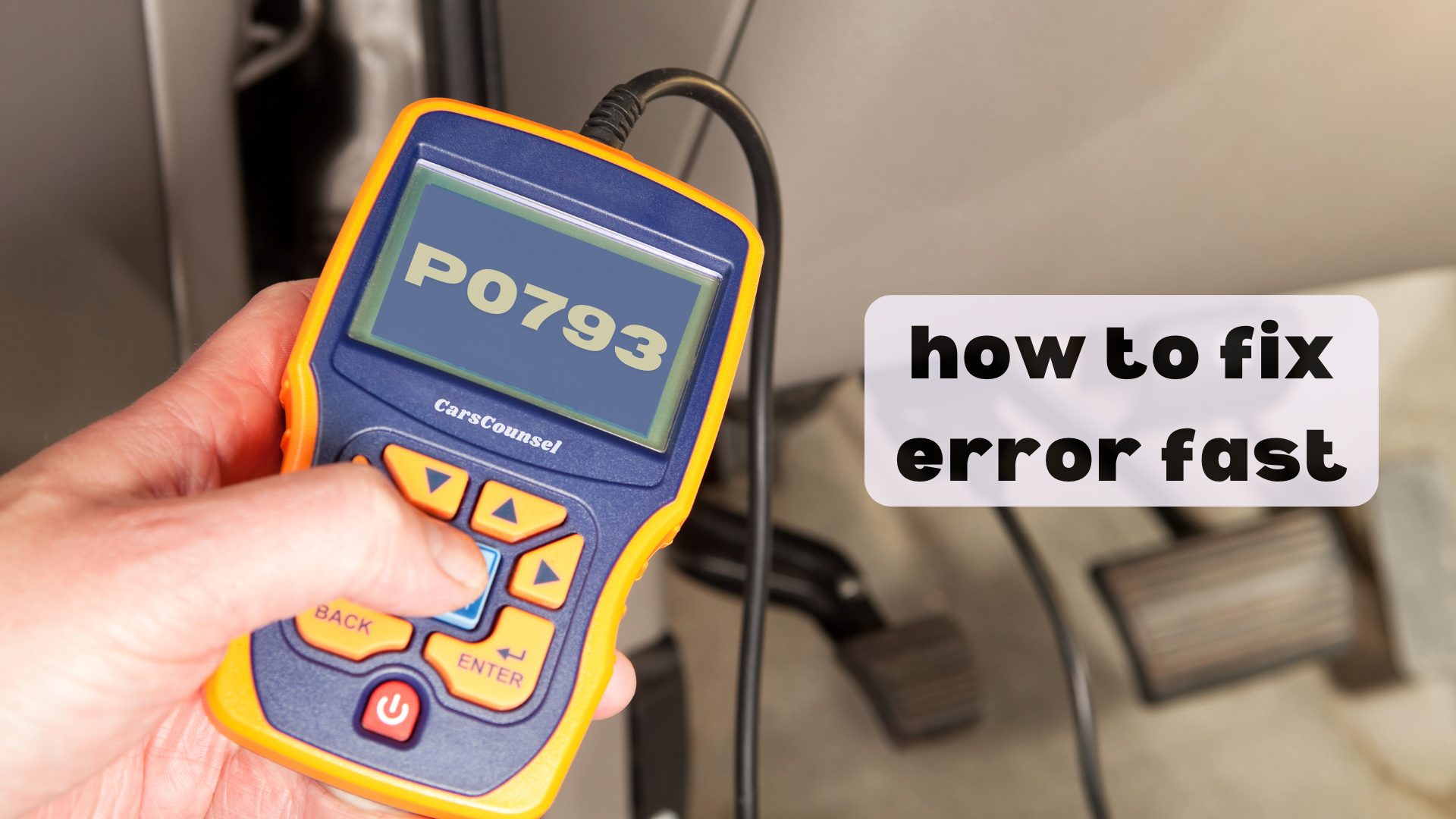
The P0793 code is a generic OBD-II error code indicating an intermittent or missing signal from the intermediate shaft speed sensor “A” circuit. This sensor monitors the rotational speed of the transmission’s intermediate shaft.
Because this is a generic code, the exact diagnostic procedure varies by vehicle manufacturer. The code indicates a detected signal fault, but testing is required to identify the root cause before replacing any components.
Quick Navigation
Key Takeaways
- P0793 is a generic OBD-II code indicating an intermittent or missing signal in the intermediate shaft speed sensor circuit.
- The code signals a detected electrical or signal fault, but does not automatically prove the sensor itself has failed.
- Possible causes include damaged wiring, metal debris on the sensor tip, or internal transmission mechanical issues.
- Diagnosis requires comparing live speed sensor data and inspecting the wiring harness before replacing components.
P0793 Code Description and Implications
The P0793 code indicates that the Powertrain Control Module (PCM) or Transmission Control Module (TCM) has detected an erratic, intermittent, or missing signal from the intermediate shaft speed sensor. This sensor monitors the rotational speed of a specific shaft inside the transmission.
The module uses this data to calculate gear ratios and control shift timing. When the module monitors the sensor signal and detects sudden dropouts, erratic voltage spikes, or a complete loss of signal while the vehicle is in motion, it stores this generic code.
Common Causes of the P0793 Code
- Damaged, chafed, or shorted wiring and connectors in the sensor circuit.
- Metal debris or contamination accumulating on the magnetic tip of the speed sensor.
- A failed intermediate shaft speed sensor producing an erratic or intermittent signal.
- Internal mechanical transmission issues, such as worn clutches or slipping bands, causing actual shaft speed discrepancies.
- In rare cases, a software calibration error or internal fault within the PCM or TCM.
Symptoms Associated With P0793
- Illuminated Check Engine Light.
- Harsh, delayed, or erratic transmission shifting.
- The transmission may enter a fail-safe or limp mode, limiting gear selection.
- Torque converter clutch engagement issues, leading to reduced fuel efficiency.
- In some applications, the speedometer may behave erratically or stop working.
Diagnosing the P0793 Trouble Code
Diagnosis begins by verifying the exact transmission layout, as not all transmissions use an intermediate shaft speed sensor. Using a scan tool capable of viewing transmission live data is necessary to monitor the speed sensor readings.
The diagnostic path generally involves comparing the intermediate shaft speed against the input and output shaft speeds while driving through the gears. If the intermediate speed reading drops out or becomes erratic, the circuit and sensor must be inspected.
Technicians will inspect the wiring harness for damage and check the sensor connector for corrosion. For sensor-circuit implementations, they will verify the applicable reference, signal, and ground circuits according to the manufacturer procedure. If the electrical circuit tests normal, the sensor may be removed to check for metallic debris.
Repairing the P0793 Issue
Repairs must follow the confirmed root cause identified during the diagnostic procedure. If wiring damage or connector corrosion is found, repairing the harness and securing the connections is necessary.
If metal debris is found on the sensor tip, cleaning the sensor and flushing the transmission fluid may resolve the issue, though further mechanical inspection might be required. If the sensor fails the manufacturer’s electrical tests, replacing the confirmed failed component is necessary.
If internal transmission mechanical faults are confirmed as the cause of the speed discrepancy, internal transmission repair or replacement will be required.
Cost Considerations for P0793 Repairs
Repair costs for a P0793 code vary based on the exact vehicle application, the confirmed root cause, and local labor rates.
If the issue is limited to a wiring repair or cleaning debris from the sensor, costs may be minimal. Replacing an externally mounted speed sensor involves moderate parts and labor expenses.
However, if the diagnosis confirms internal transmission mechanical damage causing the speed discrepancy, the repair will involve significant labor and component costs.
Prevention Strategies for Future Occurrences
Because P0793 relates to transmission speed monitoring, preventing the code depends on the exact failure mechanism. Maintaining the correct transmission fluid level and condition can help prevent internal mechanical wear that leads to speed discrepancies.
Inspecting exposed transmission wiring harnesses and sensor connectors during routine service can help identify developing damage or corrosion before it causes a circuit fault.
Troubleshooting Tips and Best Practices
Always verify the exact transmission layout before testing. Some transmissions use input and output speed sensors but do not have a dedicated intermediate shaft sensor, which may indicate a misdiagnosis or a manufacturer-specific naming convention.
Avoid replacing the speed sensor without first inspecting the wiring and checking for metal debris. An intermittent signal is often caused by metallic particles temporarily disrupting the magnetic field rather than a failed internal component.
Ensure that any module replacements or software updates are performed according to the manufacturer’s exact procedures, as incorrect programming can cause persistent speed sensor rationality faults.
More OBD-II Codes
| P0777 | P0778 | P0780 | P0783 |
| P0785 | P0792 | P0850 | P1001 |
| P1002 | P1003 | P1004 | P1005 |
| P0715 | P0720 | P0717 | P0722 |
| P0500 | P0730 | P0731 | P0732 |
| P0740 | P0741 | P0700 | P0705 |
Frequently Asked Questions
Is the P0793 code generic or manufacturer-specific?
Yes. P0793 is a generic OBD-II code used across multiple manufacturers. However, the exact diagnostic procedure, sensor location, and transmission layout depend on the specific vehicle application.
Can I drive my car with a P0793 code?
Driving with this code may cause harsh shifting or trigger a limp mode that limits vehicle speed and gear selection. If drivability is severely affected, towing the vehicle to a repair facility is recommended.
Will changing the transmission fluid fix a P0793 code?
Changing the fluid will only help if metal debris on the sensor tip is causing the intermittent signal, and no internal mechanical damage has occurred. It will not repair broken wiring or a failed sensor.
Can a bad intermediate shaft speed sensor cause limp mode?
Yes. The control module relies on accurate shaft speed data to command shifts and control line pressure. If the signal drops out intermittently, the module may trigger a fail-safe or limp mode to protect the transmission.
Does P0793 always mean the speed sensor is broken?
No. The code indicates a detected intermittent or missing signal condition. The root cause could be wiring damage, metallic debris on the sensor tip, or internal mechanical slipping, requiring diagnosis before replacing any component.
What Should You Do About the P0793 Code?
Confirm the exact transmission layout and factory diagnostic procedure for your specific vehicle application. Because P0793 is a generic code, the location of the intermediate shaft speed sensor and the expected live data parameters will vary between different transmission designs.
Follow the applicable manufacturer diagnostic procedure to test the relevant system and components. Once the root cause is confirmed, complete the necessary repairs and verify the transmission operation before returning the vehicle to service.

