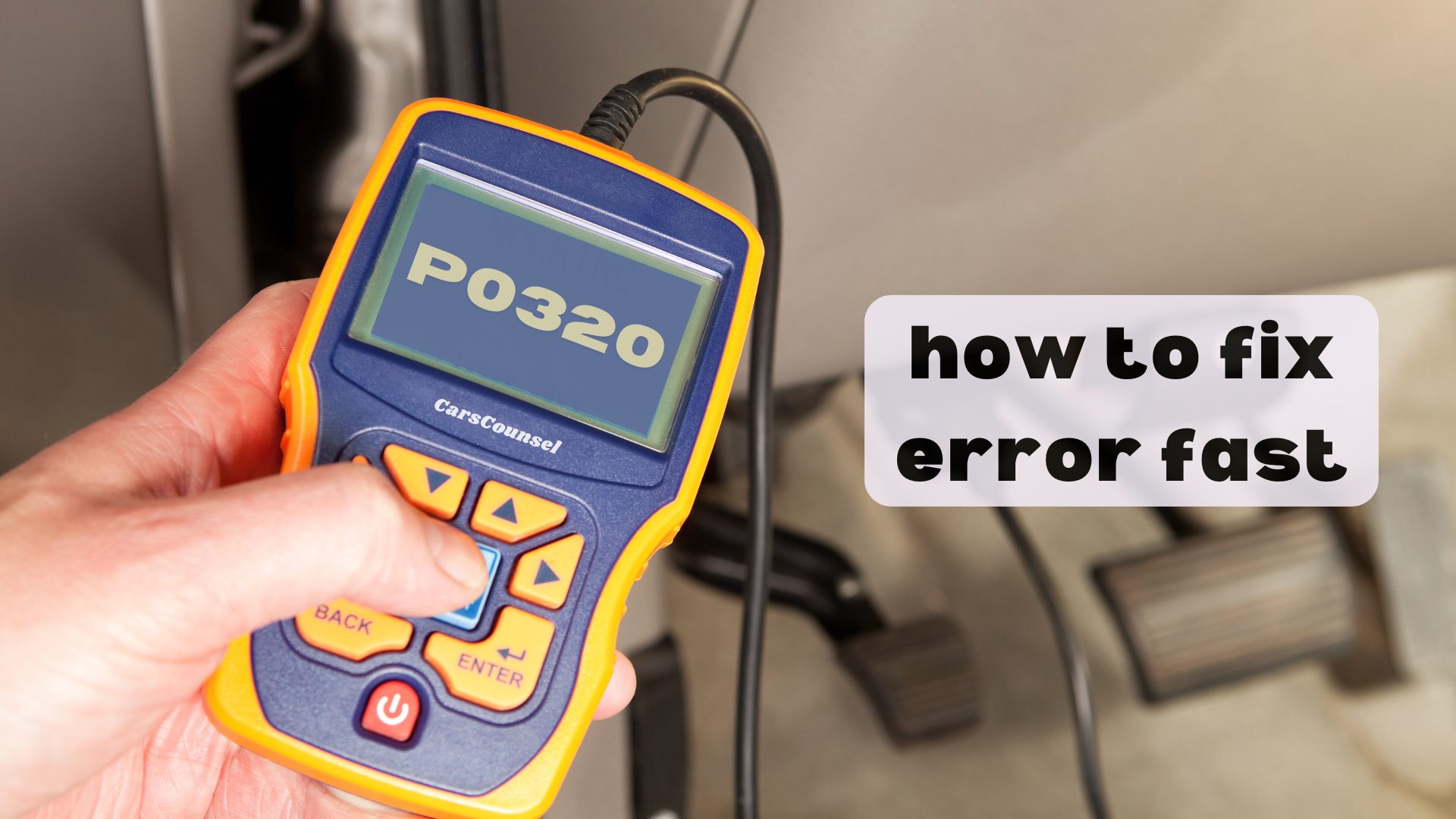
The P0320 code is a generic OBD-II powertrain code indicating an “Ignition/Distributor Engine Speed Input Circuit Malfunction.” The control module detects an erratic, intermittent, or missing signal from the engine speed input circuit.
This code identifies a signal or circuit condition and does not automatically prove a specific sensor has failed. Proper diagnosis requires verifying the exact vehicle application, inspecting wiring, and testing sensor circuits.
Quick Navigation
Key Takeaways
- P0320 indicates the control module detected a malfunction in the ignition or distributor engine speed input circuit.
- The code flags a signal or circuit condition, which does not automatically confirm a failed crankshaft or camshaft sensor.
- Damaged wiring, corroded connectors, or poor grounds are frequent causes to verify before replacing components.
- Diagnosis requires comparing live sensor data and testing the applicable reference, signal, and ground circuits.
P0320 Code Description and Implications
The P0320 code stands for “Ignition/Distributor Engine Speed Input Circuit Malfunction.” The powertrain control module (PCM) relies on engine speed data to synchronize fuel injection and ignition timing.
Depending on the vehicle architecture, this signal may originate from a crankshaft position sensor, a camshaft position sensor, or a traditional distributor pickup coil.
If the PCM detects that the engine speed signal is erratic, missing, or drops out unexpectedly while the engine is running or cranking, it stores the P0320 code.
Common Causes of the P0320 Code
Several electrical and mechanical conditions can cause the PCM to detect a malfunction in the engine speed input circuit.
- Wiring and connector issues: Chafed wires, broken harnesses, or corroded connector pins in the sensor circuit.
- Faulty engine speed sensor: The crankshaft position sensor, camshaft sensor, or distributor pickup coil may have an internal electrical failure.
- Poor electrical grounds: A corroded or loose ground connection for the sensor or the PCM.
- Damaged reluctor ring: The tone ring or reluctor wheel that the sensor reads may be damaged, cracked, or contaminated with metallic debris.
- PCM failure: In rare cases, an internal fault within the control module may prevent it from reading the sensor circuit correctly.
Symptoms Associated With P0320
Because P0320 relates to primary engine management data, symptoms can severely affect drivability and starting.
- Illuminated Check Engine Light: The MIL will activate once the module confirms the circuit malfunction.
- Engine stalling or no-start condition: Without a reliable engine speed signal, the PCM may disable fuel injection or spark, preventing the engine from starting or causing it to stall.
- Misfires or rough running: An intermittent signal can cause incorrect ignition timing, leading to misfires and hesitation.
- Tachometer malfunction: The dashboard RPM gauge may drop to zero or behave erratically.
Diagnosing the P0320 Trouble Code
Accurate diagnosis requires distinguishing between an electrical circuit fault and a mechanical timing issue.
- Verify the exact application: Determine whether the vehicle uses a crankshaft sensor, camshaft sensor, or distributor pickup for the primary engine speed signal.
- Inspect the wiring and connectors: Visually examine the sensor harness for damage, heat exposure, or corrosion.
- Review live data: Use a scan tool to monitor the engine RPM data while cranking and running to identify signal dropouts.
- Test the sensor circuit: Measure the sensor resistance and verify the reference voltage, signal circuit continuity, and ground connections according to the manufacturer wiring diagram.
- Inspect the reluctor ring: If accessible, check the tone ring for missing teeth, damage, or excessive debris.
Repairing the P0320 Issue
Repairs must address the specific root cause identified during diagnosis. Clearing the code without fixing the underlying condition will result in its return.
- Wiring repair: Repair or replace any damaged wiring, clean corroded connector terminals, and secure loose grounds.
- Sensor replacement: If electrical and mechanical tests confirm the sensor has failed, replace the crankshaft, camshaft, or distributor pickup sensor.
- Reluctor ring repair: If the tone ring is damaged or cracked, replace the component and verify the air gap.
- Module diagnosis: If the sensor and wiring test perfectly, follow the manufacturer procedure to diagnose the PCM.
Cost Considerations for P0320 Repairs
Repair costs for a P0320 code vary significantly based on the underlying cause and the vehicle’s design.
- Wiring repair: Costs depend entirely on the time required to trace the harness and perform a proper repair.
- Sensor replacement: The part is relatively inexpensive, and labor is usually minimal if the sensor is externally mounted.
- Internal engine repair: If the reluctor ring is located inside the engine or transmission bell housing, labor costs will be substantial due to the required disassembly.
Prevention Strategies for Future Occurrences
Protecting the engine’s electrical harnesses reduces the likelihood of sensor circuit faults.
- Protect engine wiring: Ensure sensor harnesses are routed away from extreme heat sources like exhaust manifolds to prevent insulation melting.
- Keep connectors sealed: Verify that sensor connector seals are intact to prevent moisture intrusion and terminal corrosion.
- Address oil leaks: Repairing engine oil leaks prevents fluid from wicking into sensor connectors and degrading the electrical signals.
Troubleshooting Tips and Best Practices
When addressing a P0320 code, avoid common diagnostic shortcuts that lead to unnecessary parts replacement.
- Never ignore a no-start condition: If the engine cranks but will not start, a missing engine speed signal is a primary suspect. Do not continue cranking excessively, as this can drain the battery.
- Check for Technical Service Bulletins (TSBs): Some manufacturers issue updated sensor part numbers or wiring harness pigtail repairs for specific models prone to speed sensor circuit codes.
- Review related faults: If multiple camshaft or crankshaft correlation codes are present, review other OBD2 Codes to identify a potential timing chain stretch or shared ground issue.
- Avoid parts-cannon diagnosis: Do not replace the PCM or multiple sensors without verifying the circuit integrity and signal presence first.
More OBD-II Codes
| P0313 | P0306 | P0305 | P0304 |
| P0303 | P0302 | P0321 | P0325 |
| P0327 | P0330 | P0332 | P0335 |
| P0339 | P0340 | P0300 | P1345 |
| P0420 | P0430 | P0171 | P0174 |
| P0011 | P0014 | P0016 | P0017 |
Frequently Asked Questions
Is P0320 a generic or manufacturer-specific code?
Yes, P0320 is a generic OBD-II code. Its definition regarding the ignition or distributor engine speed input circuit malfunction is standardized across all vehicle manufacturers, though specific sensor types vary.
Can I drive my car with a P0320 code?
Driving is not recommended. A malfunctioning engine speed signal can cause the engine to stall unexpectedly, misfire severely, or fail to restart, creating unsafe driving conditions and potential catalyst damage.
Will replacing the crankshaft sensor fix the P0320 code?
Not necessarily. While a failed sensor is a possible cause, the code frequently points to damaged wiring, corroded connectors, or a damaged reluctor ring. Proper circuit testing is required before replacement.
Does P0320 mean my timing chain is broken?
No. P0320 specifically indicates an electrical circuit or signal malfunction. While a broken timing chain will cause the engine to stop running, it typically sets correlation or misfire codes rather than a primary circuit malfunction code.
Can a bad battery or alternator cause P0320?
Severe voltage fluctuations from a failing charging system can distort sensor reference voltages, potentially triggering circuit codes. However, this typically sets multiple electrical codes across different systems rather than an isolated speed input fault.
What Should You Do About the P0320 Code?
When the P0320 code appears, your first step should be to inspect the engine speed sensor wiring and connectors for visible damage or corrosion. Do not ignore stalling or no-start symptoms, as these indicate a critical loss of engine management data.
Confirm the exact factory definition and diagnostic procedure for your specific vehicle application. Have a qualified technician verify the sensor signal and test the relevant system and components before authorizing major repairs.

