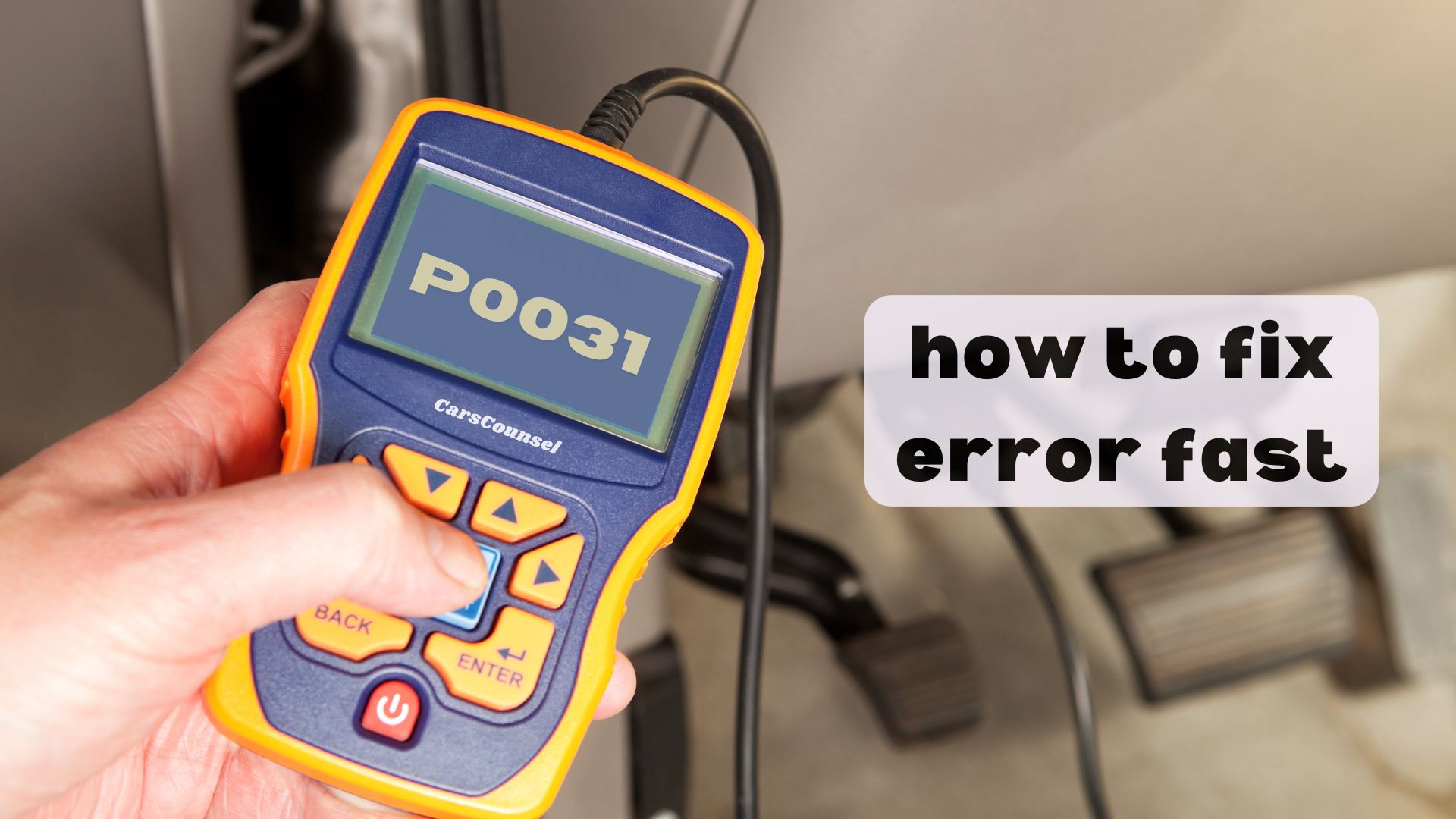
The P0031 code is a generic OBD-II powertrain code indicating a low voltage condition in the heater control circuit for the Bank 1 Sensor 1 oxygen sensor. This standardized definition applies across all compliant vehicle manufacturers.
This code identifies a detected electrical circuit condition, not necessarily a failed sensor. Proper diagnosis requires verifying the exact application and testing the relevant heater circuit wiring and sensor elements to confirm the root cause.
Quick Navigation
Key Takeaways
- The P0031 code indicates a generic low voltage condition in the heater control circuit for the Bank 1 Sensor 1 oxygen sensor.
- Possible causes include a short to ground in the wiring, poor electrical connections, a blown fuse, or a failed sensor heater element.
- Symptoms include an illuminated Check Engine Light and potentially delayed closed-loop fuel control during cold starts.
- Diagnosis involves inspecting the sensor wiring for damage and testing the heater circuit resistance and voltage.
- Repairs depend on the confirmed fault and may involve wiring repair, fuse replacement, or oxygen sensor replacement.
P0031 Code Description and Implications
P0031 is a generic OBD-II code. Its standardized definition applies across all compliant vehicle manufacturers.
The code indicates that the Powertrain Control Module (PCM) has detected a voltage signal in the heater control circuit for the Bank 1 Sensor 1 oxygen sensor that is lower than the normal operating range.
The upstream oxygen sensor uses an internal heating element to reach operating temperature quickly, allowing the engine to enter closed-loop fuel control sooner. When the PCM detects a low voltage condition, it indicates a potential short to ground or an open circuit.
This electrical fault prevents the heater from functioning, which can delay the sensor’s readiness and affect cold-start emissions.
Common Causes of the P0031 Code
Several conditions can trigger this generic circuit low code. Identifying the exact cause requires electrical testing.
- A short to ground in the heater control circuit wiring between the oxygen sensor and the PCM or relay.
- An open circuit or high resistance in the heater power supply or ground wires.
- A blown fuse supplying power to the oxygen sensor heater circuit.
- Corroded, loose, or contaminated electrical connectors at the oxygen sensor or PCM.
- An internally failed or shorted heating element within the Bank 1 Sensor 1 oxygen sensor.
- A faulty PCM or internal module driver issue (rare, usually only after circuit verification).
Symptoms Associated With P0031
Because this code involves the oxygen sensor heater circuit, symptoms primarily affect cold-start emissions and monitor readiness.
- Illuminated Check Engine Light.
- Delayed closed-loop fuel control, potentially causing slightly decreased fuel economy during cold starts.
- In some applications, the vehicle may fail an emissions inspection due to the oxygen sensor heater monitor not completing.
- The engine runs normally with no noticeable drivability issues once fully warmed up, as the exhaust gases eventually heat the sensor.
Diagnosing the P0031 Trouble Code
Diagnosis must begin by verifying the physical condition of the wiring before replacing components.
- Visually inspect the oxygen sensor wiring harness and connectors for signs of heat damage, chafing, or corrosion, especially near the hot exhaust components.
- Check the relevant fuses supplying power to the oxygen sensor heater circuits to ensure they are intact.
- Use a digital multimeter to measure the resistance of the oxygen sensor heater element and compare it to the manufacturer’s specifications.
- Test the heater control circuit for continuity and check for a short to ground between the sensor connector and the PCM.
- Use a scan tool to monitor the oxygen sensor heater status or command the heater circuit on while measuring voltage at the harness connector.
Repairing the P0031 Issue
Repairs depend entirely on the confirmed root cause of the low voltage condition.
- If a blown fuse is found, replace it with the correct amperage and investigate the cause of the overload, such as a shorted sensor or damaged wiring.
- If a short to ground or wiring damage is found, repair or replace the affected harness sections and secure the routing away from heat sources.
- Clean or replace corroded connectors to restore proper electrical contact and circuit integrity.
- If the oxygen sensor heater element fails resistance or functional testing, replace the sensor using a component meeting the correct vehicle specification.
- If testing confirms the PCM driver is faulty and all external circuits are intact, follow the manufacturer procedure for module replacement.
Cost Considerations for P0031 Repairs
Cost depends on diagnostic time, component accessibility, required parts, programming requirements, and labor.
Replacing a standard fuse or repairing a short section of wiring costs less than replacing an upstream oxygen sensor, which may require specialized tools if the sensor is seized in the exhaust manifold.
Prevention Strategies for Future Occurrences
While electrical failures are not always preventable, some practices can reduce the risk of sensor and wiring issues.
- Inspecting exposed exhaust wiring and connectors can help identify developing damage from heat exposure or chafing against engine brackets.
- Ensuring proper routing of the wiring harness during previous exhaust or engine repairs prevents the wires from resting on hot exhaust components.
- Applying anti-seize compound to the oxygen sensor threads during replacement can prevent future seizure and damage during removal, provided it does not contaminate the sensor element.
Troubleshooting Tips and Best Practices
Always consult the exact manufacturer service information for your vehicle’s wiring diagram and pinout values.
- Do not assume the oxygen sensor is faulty simply because the code points to its circuit. Wiring damage and blown fuses must be ruled out first.
- Check for related oxygen sensor heater codes that may indicate a broader power supply or ground issue affecting multiple sensors.
- Verify technical service bulletins for your specific make and model, as some manufacturers issue updated wiring harnesses or revised sensor part numbers for recurring heater circuit faults.
More OBD-II Codes
| P0030 | P0020 | P0016 | P0014 |
| P0013 | P0012 | P0036 | P0050 |
| P0060 | P0068 | P0100 | P0111 |
| P0135 | P0141 | P0155 | P0161 |
| P0130 | P0131 | P0132 | P0133 |
| P0420 | P0430 | P0171 | P0174 |
Frequently Asked Questions
Is the P0031 code generic or manufacturer-specific?
Yes. P0031 is a generic OBD-II code. Its standardized definition, indicating a low voltage condition in the Bank 1 Sensor 1 oxygen sensor heater circuit, applies across all compliant vehicle manufacturers.
Can I drive my car with a P0031 code?
Yes, you can drive the vehicle. The engine will run normally once warmed up. However, the delayed sensor operation may decrease cold-start fuel economy and cause an emissions test failure.
Will a blown fuse cause a P0031 code?
Yes. A blown fuse supplying power to the oxygen sensor heater circuit will prevent the heater from operating, causing the PCM to detect a low voltage condition and trigger the P0031 code.
Can an exhaust leak trigger the P0031 code?
No. An exhaust leak causes oxygen sensor signal or fuel trim codes. P0031 specifically indicates an electrical fault in the sensor’s internal heater circuit, such as a short, open, or failed element.
Will a P0031 code cause an emissions test failure?
Yes. A malfunctioning oxygen sensor heater prevents the OBD-II monitor from completing its self-tests. An incomplete readiness monitor will cause an automatic failure during an OBD-II emissions inspection.
What Should You Do About the P0031 Code?
Confirm the physical condition of the oxygen sensor wiring, connectors, and fuses for your specific vehicle application. Follow the applicable manufacturer diagnostic procedure to test the relevant heater circuits and monitor live data.
Repair or replace the confirmed failed component or fix the identified wiring fault, then retest the system to ensure proper sensor operation.

