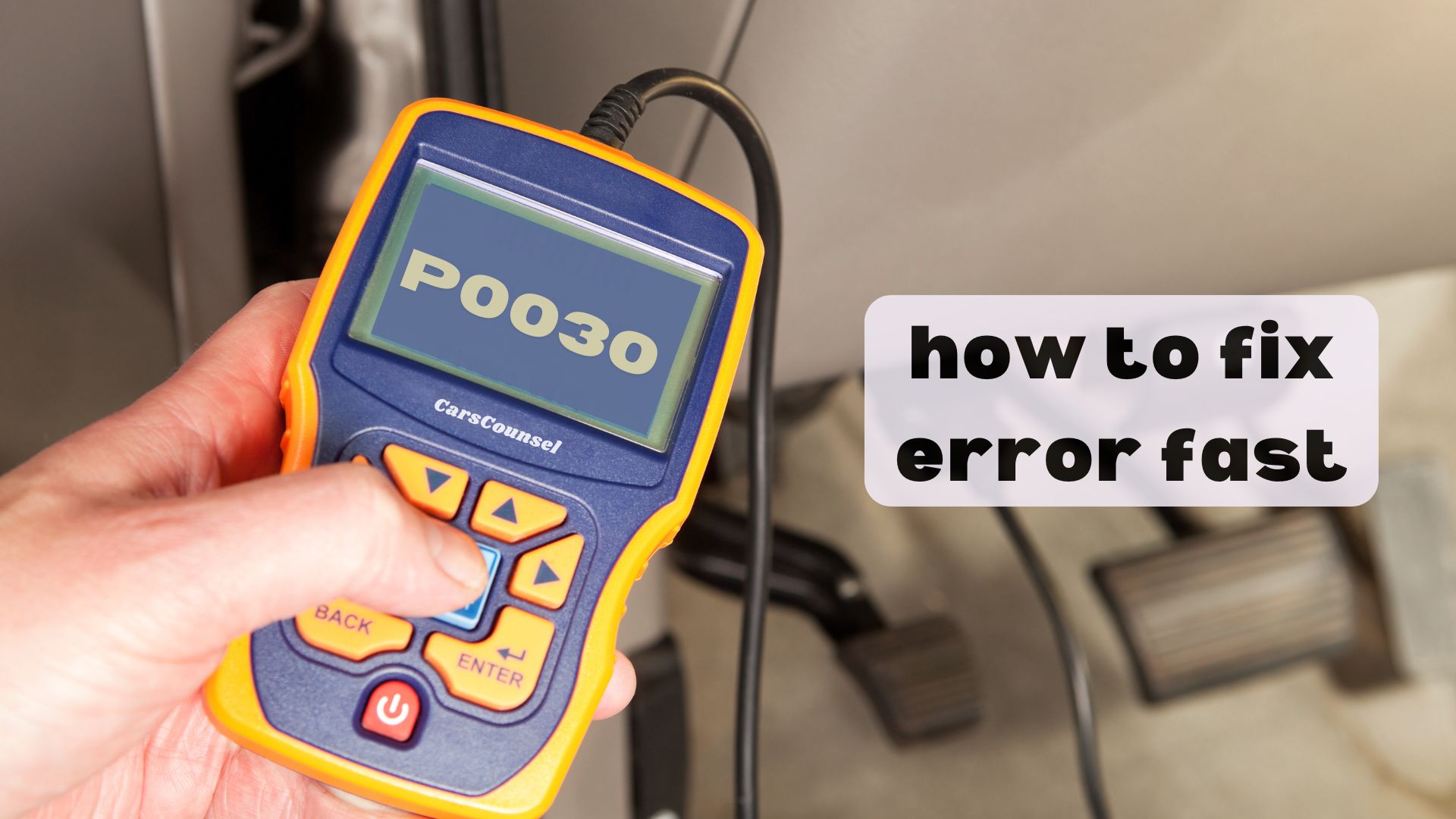
The P0030 diagnostic trouble code is a generic powertrain code indicating a malfunction in the Heated Oxygen Sensor (HO2S) heater control circuit for Bank 1 Sensor 1. The Engine Control Module detects an electrical fault in this specific circuit.
Because this code targets the sensor’s internal heater circuit, the exact vehicle application must be verified. The code alone does not prove the sensor has failed without proper electrical testing of the circuit and heater element.
Quick Navigation
Key Takeaways
- P0030 indicates the Engine Control Module detected an electrical fault in the Bank 1 Sensor 1 oxygen sensor heater circuit.
- Possible causes include a blown heater fuse, damaged wiring, poor electrical connections, or a failed internal heater element.
- Symptoms typically include an illuminated Check Engine Light, with drivability issues being rare unless other sensor circuits are also affected.
- Diagnosis requires checking the heater fuse, inspecting the wiring harness, and measuring the heater element’s resistance.
- Repairs depend on the confirmed root cause and may involve repairing wiring, replacing a fuse, or replacing the oxygen sensor.
P0030 Code Description and Implications
The P0030 code indicates that the Engine Control Module (ECM) or Powertrain Control Module (PCM) has detected a fault in the heater control circuit for the upstream oxygen sensor on Bank 1.
The heater element inside the oxygen sensor allows it to reach operating temperature quickly. This enables the engine to enter closed-loop fuel control sooner after a cold start.
When the ECM detects an open, short, or abnormal resistance in this heater circuit, it sets the P0030 code and illuminates the Check Engine Light.
Common Causes of the P0030 Code
Because P0030 applies to the oxygen sensor heater circuit, the root cause involves the fuse, wiring, or the sensor itself.
- Electrical Causes: A blown fuse supplying power to the oxygen sensor heaters, damaged wiring, chafed harnesses, or corroded connectors at the sensor or ECM.
- Component Causes: A failed internal heater element within the Bank 1 Sensor 1 oxygen sensor, preventing it from drawing the correct current.
- Module Causes: In rare cases, an internal fault within the ECM or PCM prevents it from properly controlling the heater ground or power circuit.
Symptoms Associated With P0030
When the control module detects a heater circuit fault, it alters operation to compensate for the delayed sensor warm-up.
- Warning Lights: The primary symptom is an illuminated Check Engine Light on the dashboard.
- Drivability: Unlike sensor signal circuit faults, a heater circuit code rarely causes immediate drivability issues like rough idling, stalling, or misfires.
- The engine may remain in open-loop operation slightly longer during cold starts. This could marginally affect fuel efficiency until the exhaust gas naturally heats the sensor.
Diagnosing the P0030 Trouble Code
Accurate diagnosis begins by verifying the exact vehicle application and reviewing manufacturer-specific service information.
- Verify the exact vehicle application and check for related codes. Multiple oxygen sensor heater codes might indicate a shared blown fuse rather than multiple sensor failures.
- Locate and inspect the fuse for the oxygen sensor heater circuit. If blown, check the wiring for a short to ground before replacing the fuse.
- Visually inspect the Bank 1 Sensor 1 wiring harness and connector for damage, corrosion, or exhaust heat damage.
- Measure the resistance of the oxygen sensor’s heater element and compare it to the manufacturer’s specifications. Verify the circuit receives proper voltage and ground signals.
Repairing the P0030 Issue
Repairs must follow the confirmed root cause identified during diagnosis.
- Electrical Repairs: If a blown fuse is found and a short is confirmed, repair the damaged wiring. Clean or repair any corroded connectors in the heater circuit.
- Component Replacement: If the wiring and fuse are intact but the heater element fails resistance testing, replace the Bank 1 Sensor 1 oxygen sensor.
- Module Repair: If the wiring and sensor test correctly but the control signal is missing, follow the manufacturer’s diagnostic procedure for the ECM or PCM.
Cost Considerations for P0030 Repairs
Cost depends on diagnostic time, component accessibility, required parts, programming requirements, and labor.
Replacing an oxygen sensor involves moderate parts costs and minimal labor if the sensor is easily accessible. Tracking down an intermittent wiring fault requires additional diagnostic time.
Prevention Strategies for Future Occurrences
Keeping the wiring harness secured away from hot exhaust components helps prevent the insulation from melting. This reduces the risk of a short circuit that blows the heater fuse.
Ensuring connector seals remain intact helps prevent moisture intrusion and corrosion in the oxygen sensor heater circuit.
Troubleshooting Tips and Best Practices
Follow these practices to avoid misdiagnosis and ensure accurate repairs.
- Do not assume the oxygen sensor is dead: A simple blown fuse or a chafed wire near the exhaust is a frequent culprit. Always verify the fuse and wiring before replacing the sensor.
- Check for related codes: If multiple oxygen sensor heater codes are present across different banks, the issue is likely a shared blown fuse or a relay failure.
- Verify your definition: When researching this trouble code, always confirm the exact diagnostic procedure and heater resistance specifications for your specific vehicle.
More OBD-II Codes
| P0016 | P0014 | P0012 | P0010 |
| P0004 | P0003 | P0031 | P0036 |
| P0050 | P0060 | P0068 | P0087 |
| P0135 | P0155 | P0130 | P0136 |
| P0171 | P0174 | P0172 | P0420 |
| P0300 | P0440 | P0455 | P0442 |
Frequently Asked Questions
Is P0030 a generic or manufacturer-specific code?
Yes, P0030 is a generic SAE powertrain code. Its definition as a Bank 1 Sensor 1 oxygen sensor heater circuit malfunction applies universally across all OBD-II compliant vehicles.
Can I drive my vehicle with a P0030 code?
Driving is generally safe in the short term. Because the fault is in the heater circuit, the sensor will still function once the exhaust naturally heats it, though cold-start efficiency may drop.
Will disconnecting the battery clear the P0030 code?
Disconnecting the battery might temporarily clear the code. However, it does not repair the underlying blown fuse, damaged wiring, or failed heater element, and the code will return.
Can a blown fuse cause a P0030 code?
Yes. The oxygen sensor heater circuit is typically protected by a fuse. If this fuse blows due to a short circuit or a failing heater element, the ECM will set the P0030 code.
Does P0030 affect the transmission?
No. The P0030 code relates strictly to the upstream oxygen sensor heater circuit on Bank 1. It does not directly affect the operation of the automatic or manual transmission.
What Should You Do About the P0030 Code?
When a P0030 code appears, confirm the exact factory diagnostic procedure for your specific vehicle make and model. Because this code involves the oxygen sensor heater circuit, applying the wrong diagnostic path will lead to misdiagnosis.
Follow the applicable manufacturer diagnostic procedure to test the relevant system and components. Once the root cause is confirmed, complete the necessary electrical repairs, fuse replacements, or sensor replacements before returning the vehicle to normal service.

