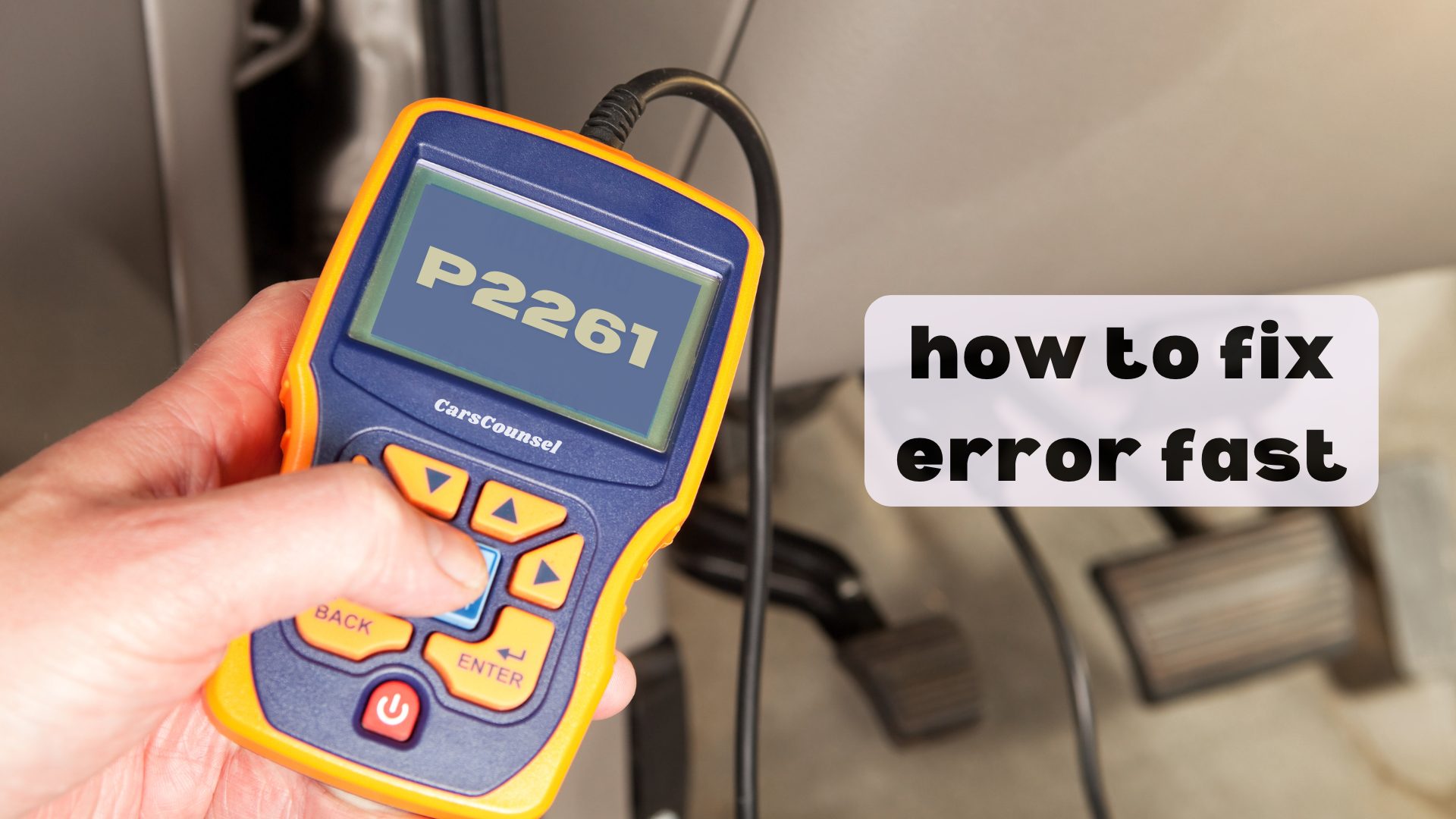
Among OBD2 error codes, P2261 is a generic SAE definition indicating a Turbocharger/Supercharger Bypass Valve Mechanical fault. It means the control module detected a mechanical performance issue with the bypass valve.
Because this code points to a mechanical condition, the exact diagnostic path requires inspecting the valve, vacuum lines, and actuator. The code alone does not prove the bypass valve itself has failed.
Quick Navigation
Key Takeaways
- Condition detected: The PCM identified a mechanical performance fault or stuck condition in the turbocharger bypass valve system.
- Mechanical and vacuum checks: Diagnosis involves inspecting the bypass valve, vacuum hoses, and actuator linkage for binding or leaks.
- System impacts: A faulty bypass valve can cause compressor surge, reduced boost pressure, and poor engine performance.
- Component testing: The valve, vacuum supply, and control solenoid must be evaluated to isolate the root cause.
P2261 Code Description and Implications
P2261 is a generic SAE definition for Turbocharger/Supercharger Bypass Valve – Mechanical. The bypass valve releases excess boost pressure when the throttle plate closes to prevent compressor surge.
When the powertrain control module detects that the bypass valve is mechanically stuck or not responding to commands, it stores P2261. This indicates a mechanical binding, vacuum leak, or actuator failure.
Common Causes of the P2261 Code
- Damaged or leaking vacuum lines: Cracked, disconnected, or melted vacuum hoses can prevent the bypass valve actuator from receiving the necessary vacuum signal.
- Failed bypass valve actuator: The internal diaphragm or spring inside the valve actuator may rupture or weaken, preventing proper operation.
- Stuck or binding valve mechanism: Carbon buildup, dirt, or physical damage can cause the valve plunger to bind in the open or closed position.
- Faulty bypass valve solenoid: The electronic solenoid that controls vacuum routing to the actuator may fail internally or become clogged.
- Damaged turbocharger components: In some applications, physical damage to the turbocharger housing or compressor wheel can affect bypass valve operation.
Symptoms Associated With P2261
Possible symptoms include:
- Illuminated Check Engine Light (MIL).
- Compressor surge or a fluttering sound from the turbocharger during deceleration.
- Reduced engine power, hesitation, or turbo lag during acceleration.
- Rough idle or stalling when coming to a stop.
Diagnosing the P2261 Trouble Code
Diagnosing a bypass valve mechanical code requires a hand vacuum pump, a scan tool, and the vehicle’s specific vacuum diagrams. The first step is to verify the exact factory definition.
- Visual inspection: Inspect all vacuum lines routed to the bypass valve and control solenoid for cracks, leaks, or disconnections.
- Actuator testing: Use a hand vacuum pump to apply vacuum directly to the bypass valve actuator and verify that the valve opens and closes smoothly.
- Solenoid testing: Verify that the bypass valve control solenoid receives the correct electrical signal and successfully routes vacuum when commanded by the PCM.
- Mechanical inspection: Remove the bypass valve if necessary and inspect the internal plunger and spring for physical damage, carbon buildup, or binding.
Repairing the P2261 Issue
Repairs must follow confirmed diagnosis. Never replace the turbocharger or powertrain control module based solely on the presence of a P2261 code.
- Vacuum line repair: Replace any cracked, melted, or leaking vacuum hoses with high-temperature silicone replacements.
- Actuator or valve replacement: If the bypass valve diaphragm is ruptured or the plunger is physically stuck, replace the bypass valve assembly.
- Solenoid replacement: If the control solenoid fails electrical testing or is internally clogged, replace the solenoid.
- Clear and retest: Clear the codes and test drive the vehicle to verify proper boost pressure and bypass valve operation.
Cost Considerations for P2261 Repairs
Cost depends on diagnostic time, component accessibility, required parts, programming requirements, and labor. Replacing external vacuum lines or a solenoid is generally less involved than replacing an integrated turbocharger bypass valve.
Prevention Strategies for Future Occurrences
- Inspect vacuum lines: Regularly check engine bay vacuum hoses for signs of heat degradation, cracking, or brittleness.
- Keep the intake clean: Follow the manufacturer’s maintenance schedule for air filters and PCV systems to reduce carbon and oil buildup in the intake tract.
Troubleshooting Tips and Best Practices
- Do not assume the turbocharger is failed: A P2261 code frequently points to a simple cracked vacuum hose or a failed control solenoid. Always verify the vacuum supply first.
- Check for related codes: Look for boost pressure sensor codes or wastegate codes that might indicate a broader forced-induction system issue.
- Check for TSBs: Some manufacturers issue Technical Service Bulletins for updated bypass valve designs or revised PCM software to address chronic compressor surge issues.
More OBD-II Codes
| P2200 | P2227 | P2228 | P2229 |
| P2237 | P2238 | P2262 | P2263 |
| P2401 | P2402 | P2404 | P2407 |
| P0299 | P0068 | P0101 | P0171 |
| P0172 | P0174 | P0300 | P0420 |
| P0430 | P0011 | P0014 | P0700 |
Frequently Asked Questions
Can a cracked vacuum hose cause a P2261 code?
Yes. The bypass valve actuator relies on engine vacuum to operate. If the vacuum hose routing to the actuator or control solenoid is cracked or disconnected, the valve will not operate, triggering a mechanical fault code.
Is it safe to drive with a P2261 code?
You can typically drive to a repair facility, but you may experience reduced power. If the bypass valve is stuck closed, it can cause compressor surge and potentially damage the turbocharger compressor wheel over time.
Will replacing the turbocharger fix a P2261 code?
Not necessarily. P2261 specifically targets the bypass valve mechanism. The root cause is often an external vacuum leak, a failed control solenoid, or a standalone diverter valve. Proper diagnosis is required before replacing major components.
Does P2261 mean my PCM needs to be replaced?
No. P2261 indicates a mechanical performance fault in the bypass valve system. The root cause is usually a vacuum leak, binding valve, or failed solenoid. The PCM should only be considered after verifying all mechanical components.
Can aftermarket blow-off valves trigger a P2261 code?
Yes. Aftermarket atmospheric blow-off valves vent pressure to the atmosphere instead of recirculating it. This can confuse the PCM’s mass airflow calculations and trigger bypass valve or fuel trim codes, especially on mass airflow sensor vehicles.
What Should You Do About the P2261 Code?
Because the P2261 code indicates a mechanical performance fault in the turbocharger bypass valve system, it requires verifying the vacuum supply, solenoid, and valve mechanism before replacing components. Confirm the exact factory definition for your vehicle.
Inspect the vacuum lines for leaks, check the bypass valve for binding, and test the relevant system and components. Follow the manufacturer’s diagnostic procedure to isolate the faulty component, repair the confirmed root cause, and verify the repair.

